Description
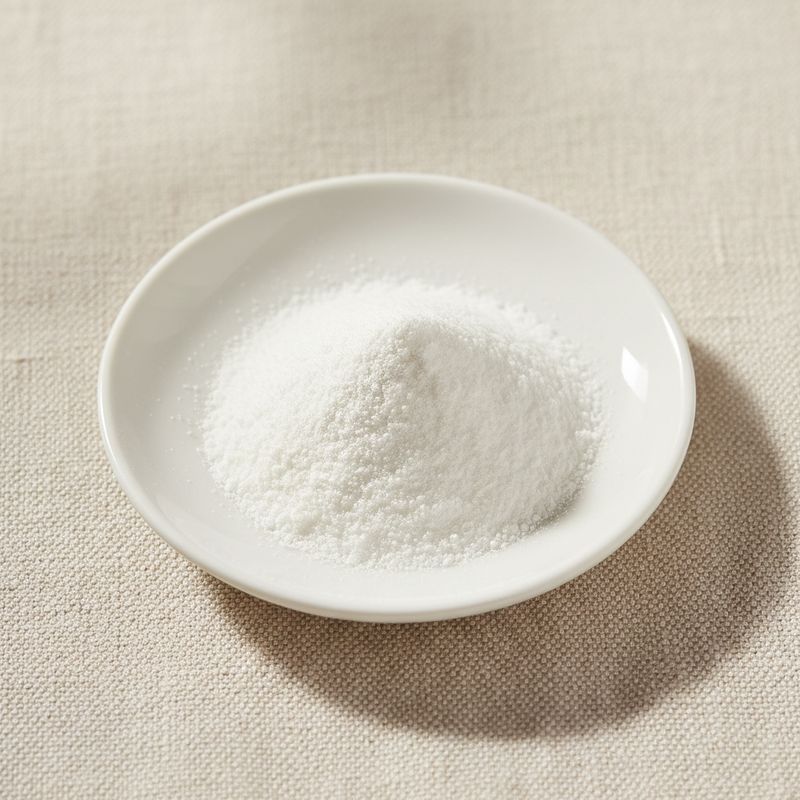
The calcium salt of citric acid, supplying approximately 21 percent elemental calcium with bioavailability that is largely independent of gastric acid. The preferred calcium form for older adults, proton-pump inhibitor users, and anyone with low gastric acidity.
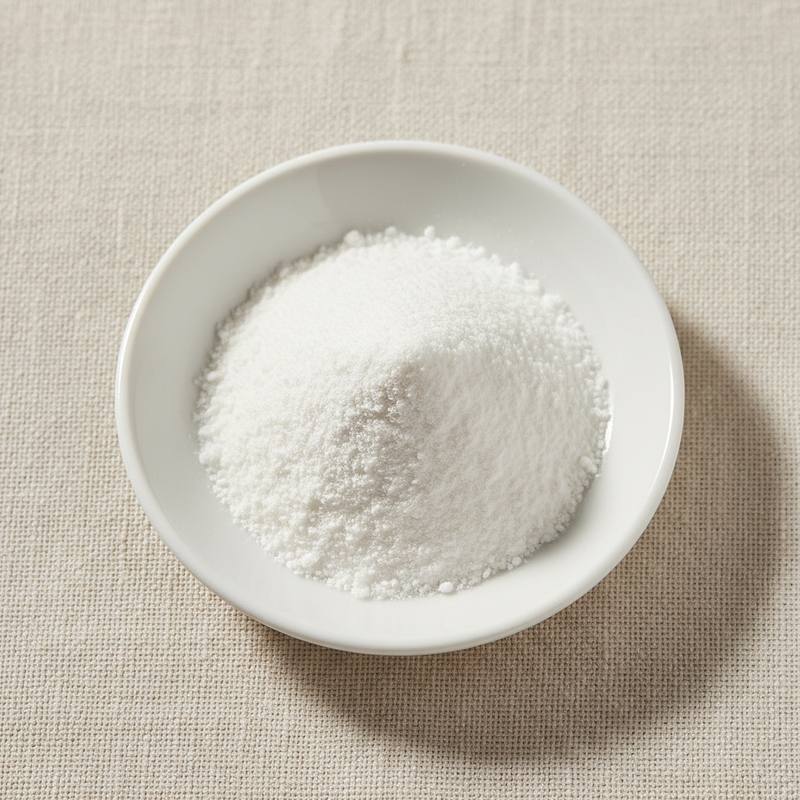
White odorless crystalline or granular powder. Slightly soluble in water, freely soluble in dilute acids. The tetrahydrate is the dominant commercial form; an anhydrous grade is available for moisture-sensitive applications.
We supply food-grade and pharmaceutical-grade Calcium Citrate from manufacturers in China holding ISO, FSSC 22000, Halal, Kosher, and other certifications relevant to the product and production.
Common market grades include Standard Food Grade Tetrahydrate, Anhydrous Grade, USP/EP/JP/BP Pharmaceutical Grade, Direct-Compression (DC) Granulated grade for high-dose tablets, and Calcium Citrate Malate, the high-bioavailability mixed-salt format used in premium fortified beverages and supplements.
Bulk and reduced-MOQ shipments. Batch-level COA covering assay, calcium content, loss on drying, fluoride, heavy metals, and microbiology.
Introduction
Calcium Citrate is the calcium salt of citric acid. Commercial manufacture proceeds by reaction of fermentation-derived citric acid with calcium hydroxide or calcium carbonate, followed by precipitation, washing, and drying to the tetrahydrate or anhydrous form. The same citric acid feedstock supplies both the food-grade and pharmaceutical-grade product, with downstream purification determining final classification.
Regulated as E333 in the EU, classified as Generally Recognized as Safe by the U.S. FDA under 21 CFR 184.1195, listed in USP, EP, JP, and BP pharmacopoeias, and approved by JECFA without a numerical Acceptable Daily Intake limit.
Elemental calcium content of approximately 21 percent places Calcium Citrate between Calcium Carbonate (40 percent) and Calcium Lactate (13 percent) in payload. The defining advantage is dissolution behavior: Calcium Citrate solubilizes in neutral and weakly acidic conditions without requiring gastric hydrochloric acid, while Calcium Carbonate depends on stomach acid for dissolution. This translates directly into clinical recommendations.
Published controlled trials show Calcium Citrate bioavailability is roughly equivalent to Calcium Carbonate in healthy adults with normal gastric function but substantially higher in achlorhydric or hypochlorhydric populations, including most adults over 65 and patients on long-term proton-pump inhibitors. For this reason, Calcium Citrate has become the standard form recommended by clinical osteoporosis guidelines in older adult populations, despite the higher cost per milligram of elemental calcium.
The strategic position is bioavailability-led. Premium supplements, fortified beverages targeting senior consumers, and clinical-nutrition products select Calcium Citrate when absorption robustness across gastric environments is decisive. Cost-sensitive bulk fortification remains the territory of Calcium Carbonate and Tricalcium Phosphate.
Where it is used
- Dietary calcium supplements for older adults; the preferred form when gastric acid is reduced
- Calcium fortification of fruit juices, plant-based beverages, and ready-to-drink protein products
- Pharmaceutical chewable and direct-compression tablets supplying high-dose calcium
- Sequestrant and pH buffer in soft drinks and effervescent products
- Bakery dough conditioner and calcium fortifier
- Animal feed mineral source where bioavailability is the formulation priority
- Functional foods, meal replacements, and clinical nutrition formulas
- Firming agent and acidity regulator in canned fruits and vegetables
- Calcium fortification of infant and toddler nutrition products
Technical data
| Item | Specification |
|---|---|
| Appearance | White odorless crystalline or granular powder |
| Assay (dry basis) | 97.5% to 100.5% |
| Calcium content | 20.0% to 22.0% |
| Loss on drying (tetrahydrate) | 10.0% to 14.0% |
| pH (saturated solution) | 7.0 to 9.0 |
| Fluoride | ≤ 30 mg/kg |
| Chloride | ≤ 0.05% |
| Sulfate | ≤ 0.1% |
| Heavy metals (as Pb) | ≤ 3 mg/kg |
| Arsenic | ≤ 2 mg/kg |
| Total plate count | ≤ 1000 CFU/g |
| Particle size | Per customer specification |
Related ingredients
Ready to discuss business?
Send us your spec and requirement. We will respond with availability and pricing within 24 hours.