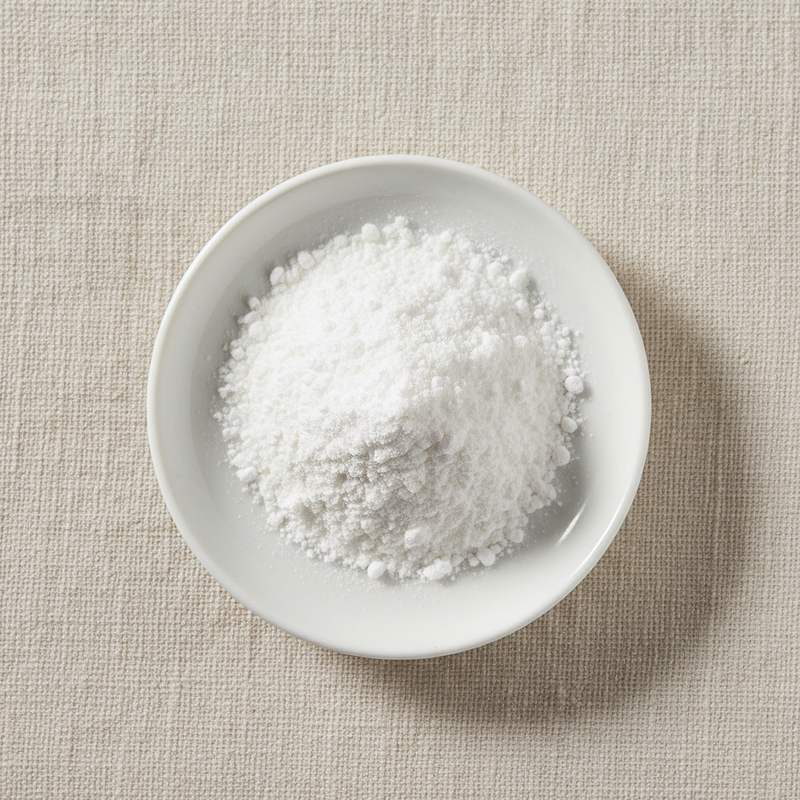
Description
An inorganic calcium salt of carbonic acid, the highest-elemental-calcium mineral in commercial use at approximately 40 percent calcium by weight. The counter-ion is carbonate, which neutralizes gastric acid on dissolution and releases calcium for absorption.
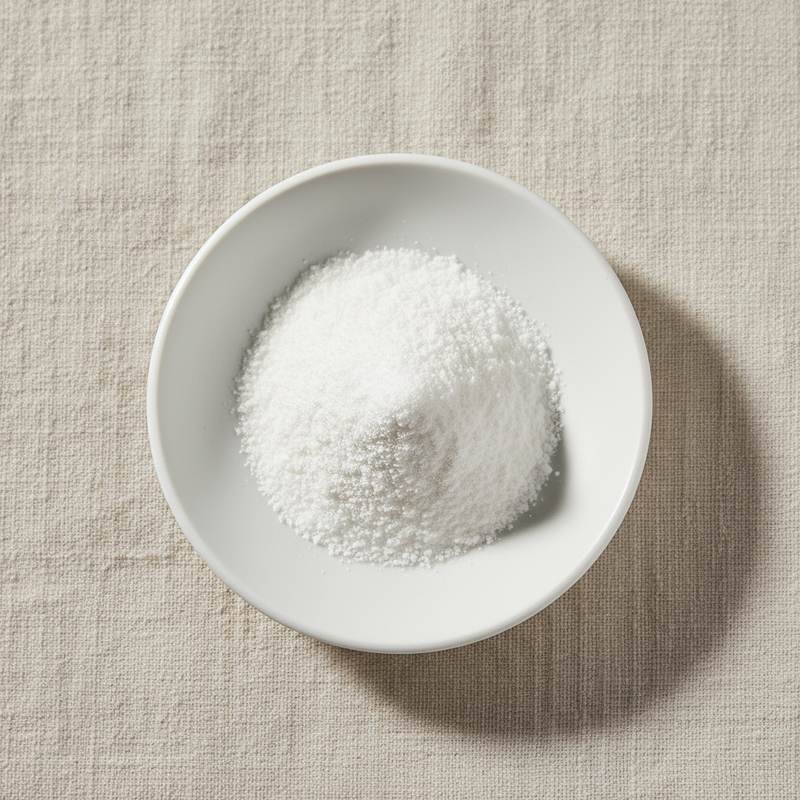
White odorless crystalline powder, practically insoluble in water and freely soluble in dilute acids. Two industrial sources are used: ground (heavy) calcium carbonate produced by mechanical milling of limestone or marble, and precipitated (light) calcium carbonate produced by chemical reaction and controlled crystallization.
We supply food-grade and pharmaceutical-grade Calcium Carbonate from manufacturers in China holding ISO, FSSC 22000, Halal, Kosher, and other certifications relevant to the product and production.
Common market grades include Heavy (Ground) Calcium Carbonate for general food fortification and animal feed, Light (Precipitated) Calcium Carbonate for pharmaceutical tableting and antacid use, Coated Calcium Carbonate for chewable tablets and chocolate, Granulated DC grade for direct compression, and USP, EP, JP, and BP pharmacopoeial grades. Mesh sizes range from 200 to 2500 mesh depending on application.
Bulk and reduced-MOQ shipments. Batch-level COA covering assay, elemental calcium content, loss on drying, acid-insoluble matter, heavy metals, fluoride, and microbiology.
Introduction
Calcium is the most abundant mineral in the human body and the structural backbone of bone and teeth. Daily requirements range from 700 mg in adults to 1300 mg in adolescents and postmenopausal women, with most populations consuming below recommended intake. Beyond skeletal mass, calcium drives muscle contraction, nerve transmission, blood coagulation, and intracellular signaling.
Industrial Calcium Carbonate is produced by two distinct routes. Ground Calcium Carbonate (GCC) starts from high-purity limestone or marble, which is crushed, milled, and classified to controlled particle-size distributions. Precipitated Calcium Carbonate (PCC) is produced by calcining limestone to calcium oxide, slaking to calcium hydroxide, and recarbonating with CO2 under controlled conditions, yielding tightly specified crystal morphologies of higher purity and finer particle size than GCC.
Regulated as E170 in the EU, classified as Generally Recognized as Safe by the U.S. FDA under 21 CFR 184.1191, listed in USP, EP, JP, and BP pharmacopoeias, and approved by JECFA without a numerical Acceptable Daily Intake limit. Most regulators also classify Calcium Carbonate as an approved color additive for white pigmentation.
Among calcium salts, Calcium Carbonate offers the highest elemental calcium fraction at 40 percent, compared to 21 percent for calcium citrate, 13 percent for calcium lactate, and 9 percent for calcium gluconate. This makes it the most cost-effective form per milligram of delivered calcium. Absorption requires gastric acid, however, so it is best taken with food. Calcium citrate is absorbed without gastric acid and is preferred in elderly patients and proton-pump inhibitor users despite the lower elemental fraction.
The dominant strategic position is in cost-sensitive fortification and antacid applications where elemental calcium per unit cost is decisive. Precipitated grades capture the premium pharmaceutical and chewable-tablet segment; ground grades dominate animal feed and bulk food fortification.
Where it is used
- Dietary calcium supplements: chewable tablets, swallowable tablets, gummies, and powdered drink mixes
- Calcium fortification of milk, plant-based beverages, breakfast cereals, breads, and orange juice
- Pharmaceutical antacid formulations, often combined with magnesium hydroxide or simethicone
- Animal feed and pet food calcium source; the dominant calcium feedstock in layer-hen and dairy-cow rations
- Pharmaceutical tablet filler and diluent in direct-compression formulations
- Toothpaste abrasive in non-silica formulations; particle size controls cleaning efficacy
- Bakery dough conditioner and yeast nutrient at low inclusion levels
- Chewing gum filler and texture modifier
- Wine pH adjustment for deacidification of high-acid musts
Technical data
| Item | Specification |
|---|---|
| Appearance | White odorless crystalline powder |
| Assay (dry basis) | 98.5% to 100.5% |
| Calcium content | ≥ 39.0% |
| Loss on drying | ≤ 2.0% |
| Acid-insoluble matter | ≤ 0.2% |
| Magnesium and alkali salts | ≤ 1.0% |
| Fluoride | ≤ 50 mg/kg |
| Heavy metals (as Pb) | ≤ 3 mg/kg |
| Arsenic | ≤ 2 mg/kg |
| Total plate count | ≤ 1000 CFU/g |
| Yeast and mold | ≤ 100 CFU/g |
| Particle size | 200 to 2500 mesh, or per customer specification |
Related ingredients
Ready to discuss business?
Send us your spec and requirement. We will respond with availability and pricing within 24 hours.