Description
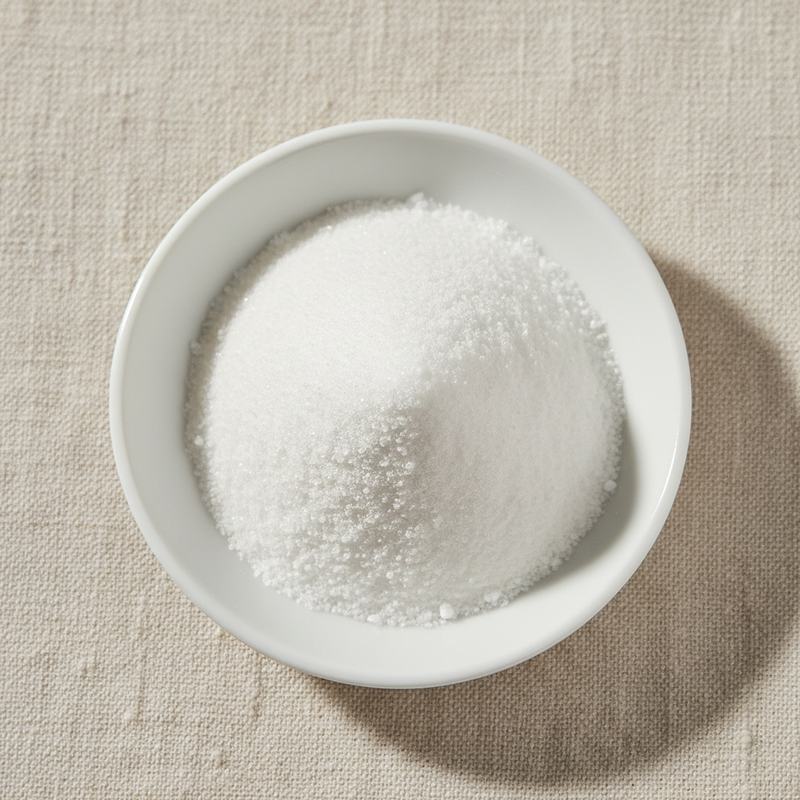
The spray-dried powder form of high-maltose syrup, optimized for dry-blend applications, dispersibility, and rapid reconstitution. Approximately 35 to 50 percent the sweetness of sucrose with a mild, slightly malt-noted flavor.
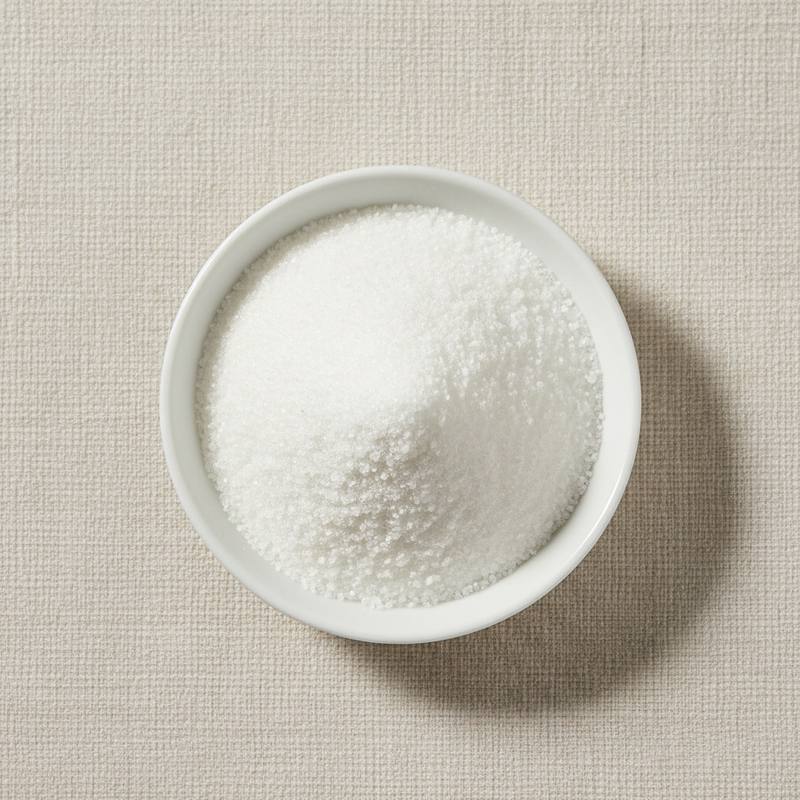
White to off-white free-flowing powder. Significantly more soluble and faster to disperse in water than crystalline Maltose, with controlled bulk density for dry-blend dosing accuracy. Particle size and density are tuned to the application during spray-drying.
We supply food-grade Maltose Powder from manufacturers in China holding ISO, Halal, Kosher and other certifications relevant to the product and production.
Common market grades include Standard 80% Maltose Powder, High-Maltose 90% Powder, and Premium 95% Powder. Particle-size and bulk-density specifications are produced to customer requirement, with non-GMO grades from tapioca-derived starch available on request.
Bulk and reduced-MOQ shipments. Batch-level COA covering carbohydrate profile, dextrose equivalent, moisture, heavy metals, and microbiology.
Introduction
Maltose Powder is produced by spray-drying a high-maltose syrup obtained from enzymatic hydrolysis of starch. The process converts a viscous liquid into a free-flowing powder while preserving the maltose profile of the original syrup.
The starting syrup is produced from corn, tapioca, or potato starch using β-amylase or maltogenic α-amylase. After concentration to roughly 70 percent solids, the syrup is atomized into a heated drying chamber and the resulting powder collected, screened, and packed. Particle size and bulk density are controlled through nozzle selection, inlet temperature, and feed concentration.
Recognized as a permitted food ingredient by the U.S. FDA, the European Food Safety Authority, and equivalent regulatory bodies. No Acceptable Daily Intake is assigned.
Caloric value is 4 kcal per gram. The carbohydrate profile is typically 80 to 95 percent maltose with the balance composed of higher saccharides; glycemic response is intermediate between pure maltose and standard glucose syrup.
The commercial role differs from Crystalline Maltose: where crystalline Maltose serves applications requiring a defined disaccharide of high purity, Maltose Powder is selected for dry-blend functionality, dispersibility, and the carrier role across powder-format food and supplement products.
Where it is used
- Powdered beverage mixes, instant teas, and meal-replacement powders requiring rapid reconstitution
- Infant nutrition and clinical nutrition powders as a digestible carbohydrate carrier
- Sports nutrition products requiring sustained-release carbohydrate with low osmolality
- Coffee creamers, non-dairy creamer powders, and instant cappuccino blends
- Bakery premix powders, cookie and cake mixes
- Confectionery dry blends, marshmallow mixes, and dessert preparations
- Pharmaceutical tablet binders and granulation aids
- Encapsulation matrix for flavors, colors, and sensitive nutrients
- Frozen dessert dry mixes and ice cream stabilizer blends
Technical data
| Item | Specification |
|---|---|
| Appearance | White to off-white free-flowing powder |
| Maltose content (dry basis) | 80% to 95% (grade dependent) |
| Dextrose equivalent (DE) | 40 to 50 |
| Moisture | ≤ 6.0% |
| pH (10% solution) | 4.5 to 6.5 |
| Sulphated ash | ≤ 0.3% |
| Heavy metals (as Pb) | ≤ 5 mg/kg |
| Solubility | Freely soluble in water |
| Bulk density | 0.45 to 0.65 g/mL |
| Particle size | Per customer specification |
Related ingredients
Ready to discuss business?
Send us your spec and requirement. We will respond with availability and pricing within 24 hours.