Description
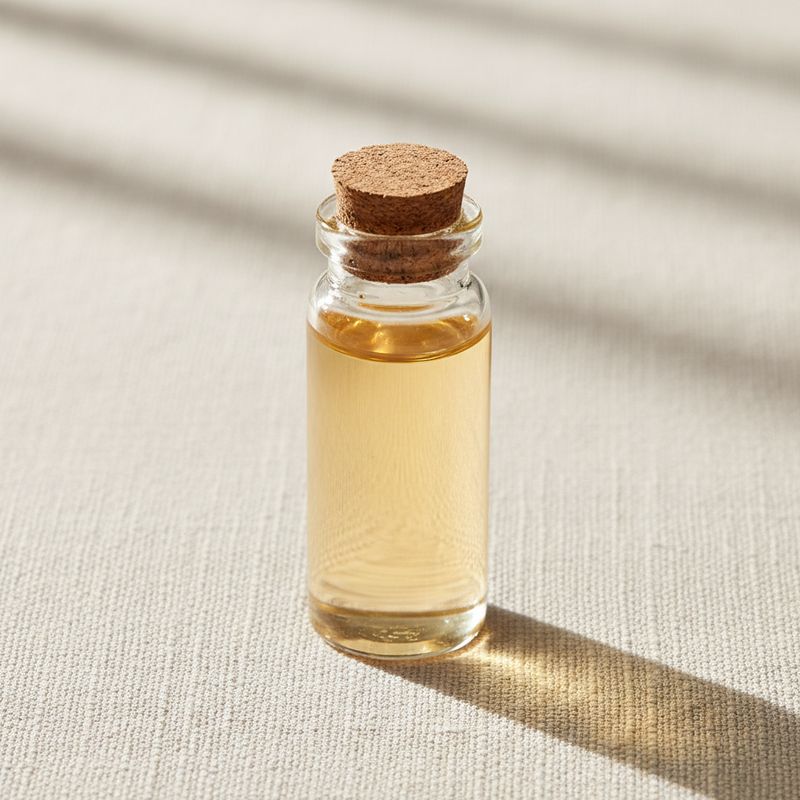
A liquid sweetener produced by enzymatic hydrolysis of starch, with maltose as the dominant carbohydrate. Approximately 35 to 50 percent the sweetness of sucrose with a mild flavor and lower freezing-point depression than glucose syrup.
Clear to slightly straw-colored viscous liquid. Lower hygroscopicity than glucose syrup and lower fermentability than sucrose make Maltose Syrup the preferred liquid sweetener for hard candy, frozen dessert, and brewing applications.
We supply food-grade Maltose Syrup from manufacturers in China holding ISO, Halal, Kosher and other certifications relevant to the product and production.
Common market grades include Standard Maltose Syrup (50% to 60% maltose, DE 40 to 50), High-Maltose Syrup (60% to 70% maltose, DE 40 to 50), and Extra-High-Maltose Syrup (above 75% maltose). Non-GMO grades from tapioca starch are available on request.
Bulk shipments in tankers, IBC totes, and drums. Batch-level COA covering maltose content, dextrose equivalent, Brix, pH, color, and microbiology.
Introduction
High-Maltose Syrup originated in Japanese candy manufacturing and brewing, where the malt-derived maltose syrup mizuame was a traditional sweetener for centuries. Industrial enzymatic production scaled in Japan, Korea, and China through the late 20th century as β-amylase enzymes became commercially available.
Production starts from corn, tapioca, rice, or potato starch. The starch is liquefied with α-amylase, then converted with β-amylase or maltogenic α-amylase under controlled time and temperature to favor maltose production over glucose. The resulting hydrolysate is purified through carbon decolorization and ion exchange, then evaporated to 75 to 80 percent solids.
Recognized as a permitted food ingredient by the U.S. FDA, the European Food Safety Authority, and equivalent regulatory bodies. No Acceptable Daily Intake is assigned.
Caloric value is 4 kcal per gram on a dry basis. The maltose-dominant profile produces a syrup with lower sweetness, lower hygroscopicity, lower browning tendency, and lower freezing-point depression than glucose syrup at equivalent solids, which makes it the standard choice for clear hard candy and brewing in markets where these properties matter.
Formulators select among Standard, High, and Extra-High maltose grades based on the balance of sweetness, crystallization control, and viscosity required by the specific application.
Where it is used
- Hard candy and high-boiled confectionery; resists crystallization and supports clear, brittle finished texture
- Brewing and malt-flavored beverages; aligns with the natural maltose profile of barley wort
- Frozen desserts and ice cream; depresses freezing point at lower sweetness than sucrose or glucose syrup
- Bakery glazes, fillings, and decorative finishes; controlled gloss without excessive sweetness
- Asian traditional confectionery including mizuame, glutinous rice candies, and sesame brittle
- Soy sauce, miso, and rice-wine production as a controlled fermentation substrate
- Pharmaceutical syrups and cough preparations
- Infant nutrition liquid formulations requiring digestible carbohydrate
- Sausage, ham, and processed meat formulations as a fermentation substrate
Technical data
| Item | Specification |
|---|---|
| Appearance | Clear to straw-colored viscous liquid |
| Maltose content (dry basis) | 50% to 75% (grade dependent) |
| Dextrose equivalent (DE) | 40 to 50 |
| Dry solids (Brix) | 75.0% to 80.0% |
| pH | 4.5 to 6.0 |
| Sulphated ash | ≤ 0.3% |
| Heavy metals (as Pb) | ≤ 5 mg/kg |
| Color | ≤ 50 RBU |
| Viscosity at 25 °C | Grade dependent |
Related ingredients
Ready to discuss business?
Send us your spec and requirement. We will respond with availability and pricing within 24 hours.