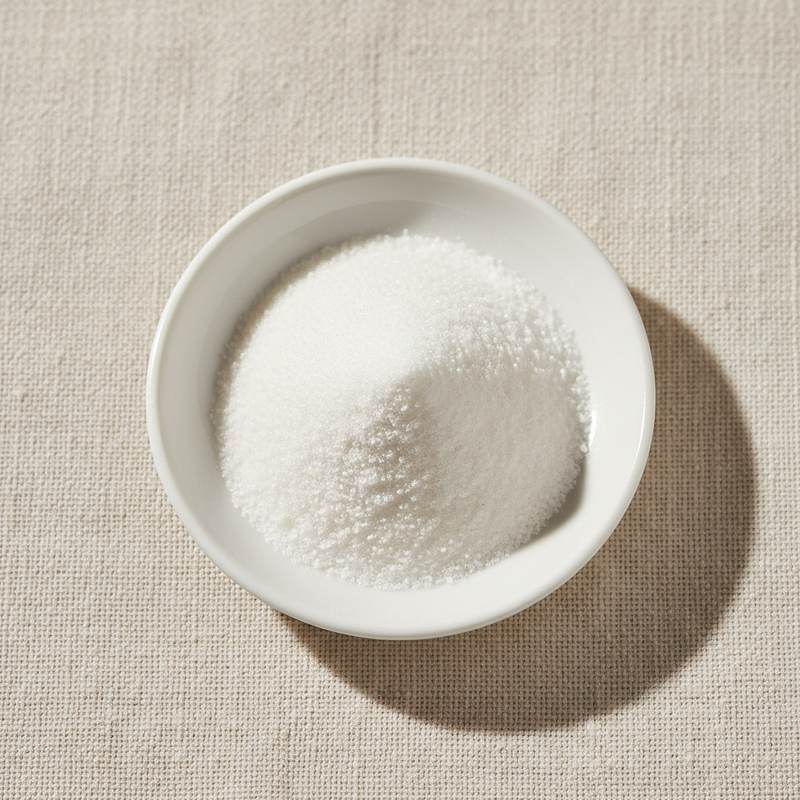
Description
A low-calorie dipeptide high-intensity sweetener. 200 times the sweetness of sucrose, with a clean sugar-like profile and no aftertaste at typical use levels.
Composed of L-aspartic acid and L-phenylalanine joined by a methyl ester bond.
Aspartame contributes 4 kcal per gram nominally. Because it is dosed so low, typically 0.02 to 0.05 percent of the finished product, the caloric load is negligible.
We supply food-grade and pharmaceutical-grade Aspartame from manufacturers in China holding ISO, Halal, Kosher and other certifications relevant to the product and production.
Common market grades include standard 100-mesh food-grade powder, Granular Aspartame for tabletop and chewing-gum applications, Direct-Compression (DC) grade for pharmaceutical tableting, and pre-blended systems with Acesulfame K (commonly 1:1 by weight) for beverage and dairy reformulation.
Bulk and reduced-MOQ shipments. Batch-level COA covering assay, specific rotation, transmittance, diketopiperazine impurity, heavy metals, and microbiology.
Introduction
Aspartame was discovered in 1965 by chemist James Schlatter at G.D. Searle. It was approved by the U.S. FDA in 1981 for dry use and 1983 for beverages, with global approvals following.
It is regulated as E951 in the EU. JECFA, the FDA, and the European Food Safety Authority all set an Acceptable Daily Intake of 40 mg per kg body weight, one of the most extensively reviewed safety profiles in food chemistry.
Because the molecule contains phenylalanine, finished products carry a labeled warning for individuals with phenylketonuria (PKU).
Aspartame degrades above approximately 90 °C and at extreme pH. This limits its use in extended baking and retort applications, and is the primary reason formulators pair it with Acesulfame K, Sucralose, or Stevia in heat-stable systems.
Below this threshold the molecule delivers an exceptionally sucrose-like sweetness without lingering aftertaste. It has been the dominant sweetener in diet sodas and tabletop products globally for over four decades. In dry storage it is stable for 24 to 36 months when protected from heat and humidity.
Where it is used
- Diet carbonated soft drinks, the largest single application worldwide; typically dosed at 500 mg per liter, often blended with Acesulfame K
- Tabletop sweetener formats: sachets, tablets, liquid drops; co-formulated with bulking agents
- Sugar-free chewing gum, breath mints, hard candies, lozenges
- Sugar-free dairy: yogurt, flavored milk, puddings, frozen desserts (added post heat treatment)
- Powdered drink mixes, instant teas, drink concentrates, and syrups
- Pharmaceutical chewable tablets, lozenges, and oral suspensions; masks bitterness
- Sugar-free jams, jellies, fruit preserves, and dessert toppings
- Cereal coatings, low-calorie nutritional bars, and meal-replacement shakes
- Oral care: toothpaste, mouthwash, and dental hygiene products
- Reduced-calorie sauces, dressings, and condiments
Technical data
| Item | Specification |
|---|---|
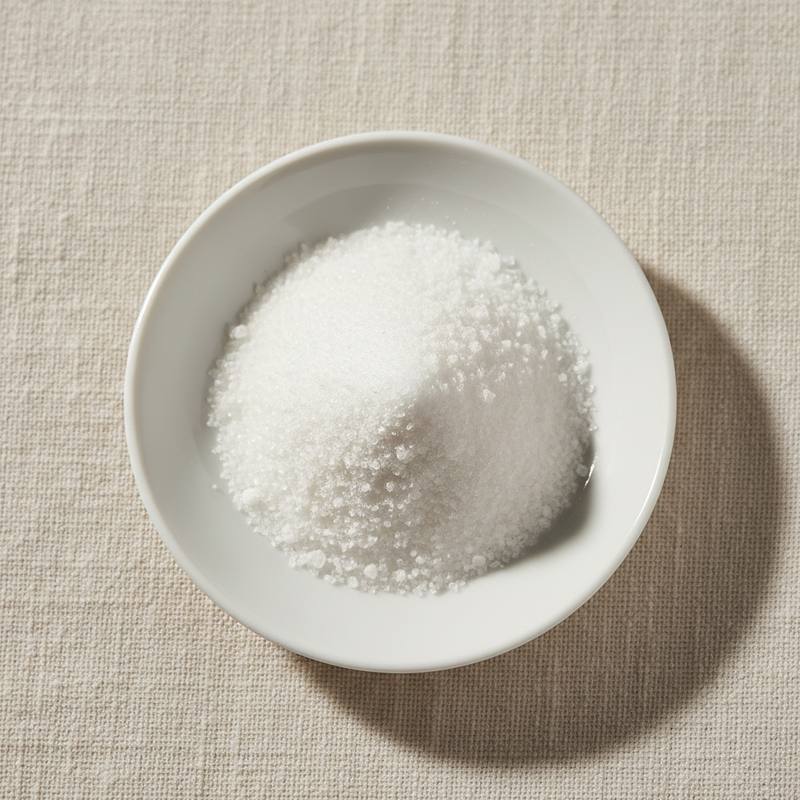
| Appearance | White crystalline powder |
| Assay (dry basis) | 98.0% to 102.0% |
| Loss on drying | ≤ 4.5% |
| pH (0.8% solution) | 4.5 to 6.0 |
| Specific rotation | +14.5° to +16.5° |
| Transmittance (1%, 430 nm) | ≥ 95.0% |
| Diketopiperazine impurity | ≤ 1.5% |
| Heavy metals (as Pb) | ≤ 10 mg/kg |
| Arsenic | ≤ 3 mg/kg |
| Total plate count | ≤ 1000 cfu/g |
| Yeast and mold | ≤ 100 cfu/g |
| Particle size | Per customer specification |
Related ingredients
Ready to discuss business?
Send us your spec and requirement. We will respond with availability and pricing within 24 hours.