Description
An organic magnesium salt of L-malic acid (the citric-acid-cycle intermediate), supplying approximately 11 to 15 percent elemental magnesium by weight depending on hydrate form. The malate counter-ion is itself biologically active in mitochondrial energy production, making the salt a popular choice in fatigue and fibromyalgia supplement positioning.
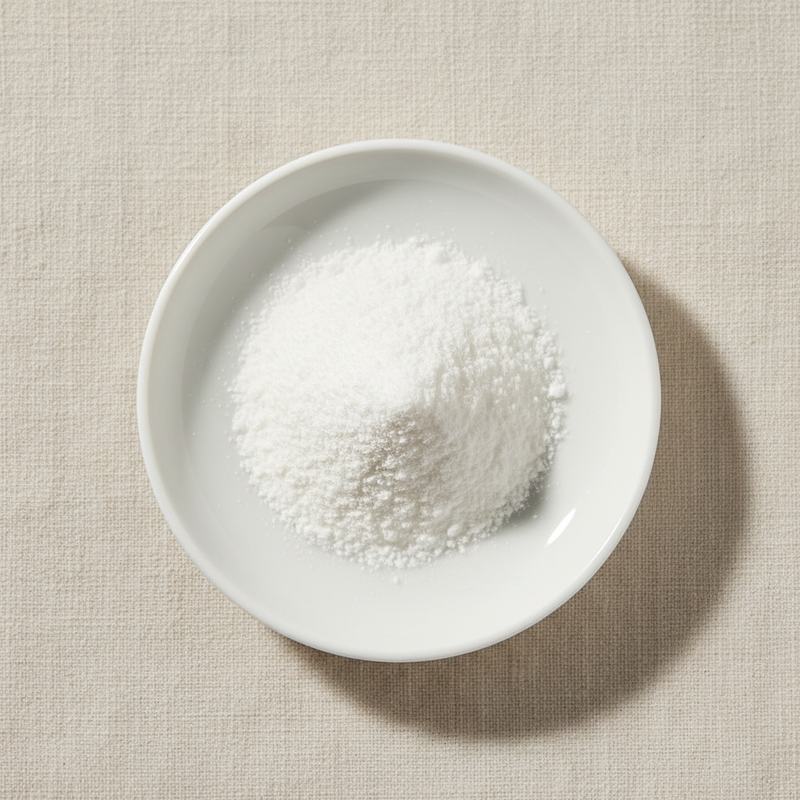
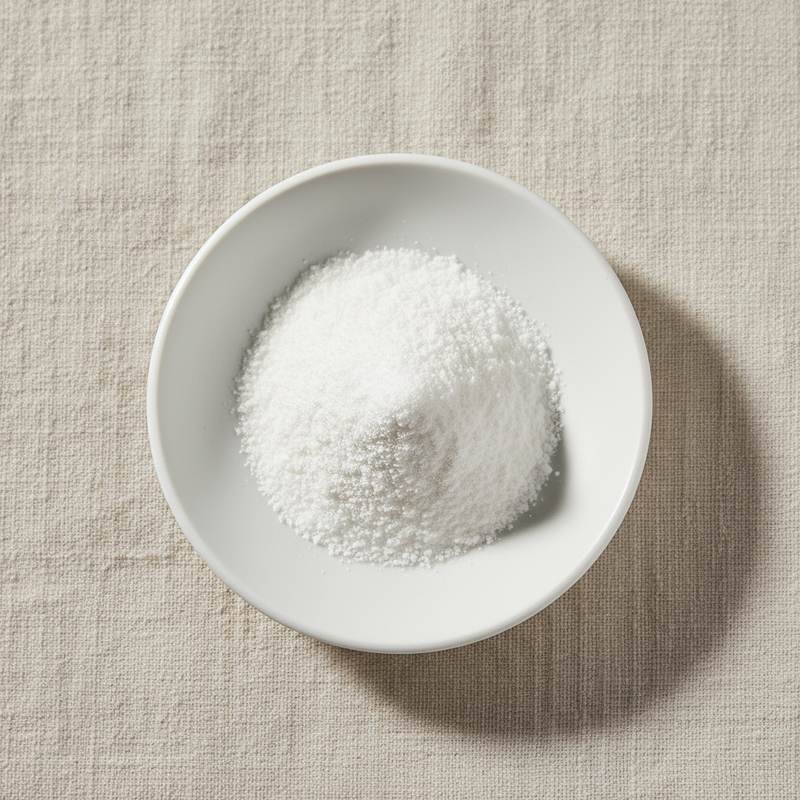
White to off-white free-flowing powder, partially soluble in water and freely soluble in dilute acids. Mildly tart taste consistent with the malic acid moiety.
We supply food-grade and pharmaceutical-grade Magnesium Malate from manufacturers in China holding ISO, FSSC 22000, Halal, Kosher, and other certifications relevant to the product and production.
Common market grades include standard dihydrate powder for capsule and tablet applications, granulated DC grade for direct compression, fine-mesh grade for powdered beverages and stick-packs, and high-elemental-magnesium dimagnesium malate grade. Bulk and reduced-MOQ shipments with batch-level COA covering assay, elemental magnesium, water of crystallization, heavy metals, and microbiology.
Introduction
Magnesium malate combines magnesium with L-malic acid, an alpha-hydroxy dicarboxylic acid that participates in the tricarboxylic acid cycle as a substrate for the malate dehydrogenase reaction. The combination is positioned as a magnesium source with complementary energy-metabolism support from the counter-ion.
Industrial production proceeds by reaction of magnesium oxide or carbonate with L-malic acid in aqueous solution under controlled temperature and pH, followed by crystallization or spray drying. The dimagnesium malate variant is produced under higher magnesium-to-malic-acid ratios for elevated elemental magnesium content.
Regulatory status includes recognition as a permitted source of magnesium in food supplements under EU Regulation 1925/2006 and EU Directive 2002/46/EC, GRAS notifications for specific commercial articles in the United States, and inclusion in multiple national food supplement frameworks.
Bioavailability of magnesium from malate is generally higher than from inorganic salts such as oxide or carbonate, with absorption rates in the 30 to 40 percent range in human studies. The salt is well-tolerated gastrointestinally and is positioned in the premium organic-chelate segment alongside magnesium glycinate, citrate, and threonate.
Where it is used
- Magnesium supplements in capsules, tablets, and powdered beverages
- Fatigue, fibromyalgia, and chronic fatigue syndrome support formulations
- Sports nutrition recovery and muscle support products
- Powdered electrolyte and hydration beverages
- Sleep and relaxation supplements
- Multi-mineral and multivitamin tablets
- Functional foods and bars with magnesium fortification
- Heart health and cardiometabolic formulations
- Senior nutrition for muscle and bone support
Technical data
| Item | Specification |
|---|---|
| Appearance | White to off-white free-flowing powder |
| Assay (dry basis) | ≥ 98.0% |
| Elemental magnesium | 11 to 15% w/w |
| Loss on drying | ≤ 18.0% |
| Particle size | ≥ 95% through 80 mesh (standard grade) |
| Heavy metals (as Pb) | ≤ 10 mg/kg |
| Arsenic | ≤ 2 mg/kg |
| Cadmium | ≤ 1 mg/kg |
| Mercury | ≤ 0.5 mg/kg |
| Total plate count | ≤ 1000 CFU/g |
| Salmonella | Absent in 25 g |
| E. coli | Absent in 10 g |
| Shelf life | 36 months from manufacture under recommended storage |
| Storage | Cool, dry, sealed |
Related ingredients
Ready to discuss business?
Send us your spec and requirement. We will respond with availability and pricing within 24 hours.