Description
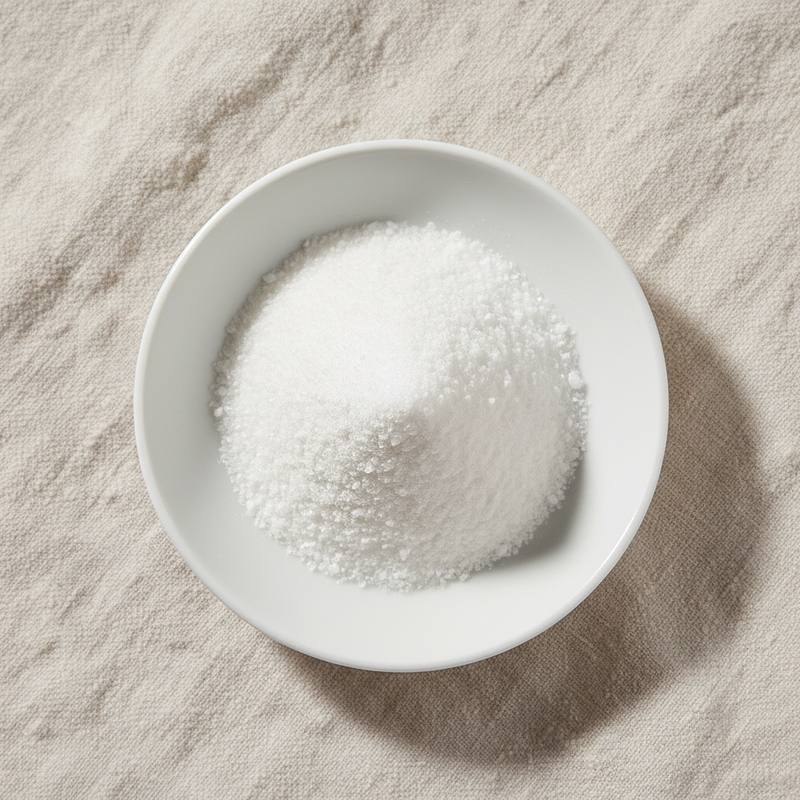
The natural L-enantiomer of Malic Acid, the form that occurs in apples and other fruits and the only form recognized as a metabolic intermediate in the human body. Required by some markets and applications where the synthetic DL form is not permitted.
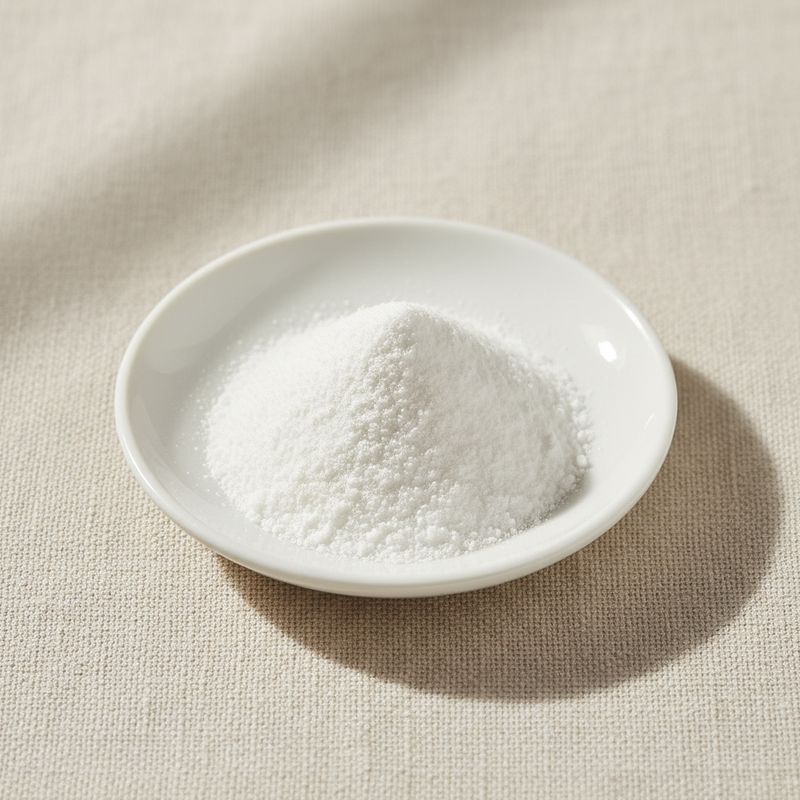
White crystals or crystalline powder, fairly hygroscopic. Approximately 20 percent more sour than citric acid at equivalent doses, with a smoother and longer-lasting sourness profile.
We supply food-grade and pharmaceutical-grade L-Malic Acid from manufacturers in China holding ISO, Halal, Kosher and other certifications relevant to the product and production.
Common market grades include Standard Food Grade (FCC compliant), Pharmaceutical Grade meeting BP and USP specifications, and Specialty Grade for clinical-nutrition and infant-formula applications where the L-enantiomer purity must be verified.
Bulk and reduced-MOQ shipments. Batch-level COA covering assay, specific rotation (the key marker distinguishing L from DL), residue on ignition, heavy metals, and microbiology.
Introduction
L-Malic Acid is the naturally occurring stereoisomer of Malic Acid, found in apples, cherries, rhubarb, and many other fruits. It is also a central intermediate in the citric acid cycle of cellular metabolism, with the body actively producing and consuming L-Malate as part of normal energy metabolism.
Industrial production proceeds by enzymatic conversion of fumaric acid using fumarase enzyme from microbial sources (commonly Brevibacterium ammoniagenes), yielding the L-enantiomer specifically. Synthetic chemical production yields the DL-racemic mixture and cannot produce pure L-Malic Acid economically.
Regulated as E296 in the EU (covering both DL and L forms), classified as Generally Recognized as Safe by the U.S. FDA, and approved by JECFA without a numerical Acceptable Daily Intake limit. Some markets and product categories require specifically the L-enantiomer.
The compound's defining sensory property is the same as DL-Malic Acid: sourness intensity exceeding citric acid by approximately 20 percent at equivalent doses, combined with a slower onset and longer-lasting flavor curve.
The choice between L-Malic and DL-Malic is regulatory and positioning-driven rather than functional: in markets and product categories where the natural L-enantiomer is required, L-Malic is mandatory; otherwise DL-Malic is preferred for cost reasons. Premium clean-label and natural-positioned products select L-Malic regardless of regulatory requirement to support marketing claims.
Where it is used
- Premium beverages and natural-positioned products where the L-enantiomer is required for clean-label claims
- Apple juice, cider, and apple-flavored products where the natural acid of apples must be matched stereochemically
- Wine acidification; the L-enantiomer is the natural form found in grape wine
- Pharmaceutical chewable tablets and effervescent formulations meeting BP/USP specifications
- Clinical and infant nutrition formulas where metabolic compatibility is required
- Premium confectionery and natural-positioning sour candies
- Functional beverages including herbal teas and wellness shots
- Sports and clinical nutrition products positioned for metabolic support
- Cosmetic products including chemical exfoliants where the L-enantiomer is preferred
Technical data
| Item | Specification |
|---|---|
| Appearance | White crystals or crystalline powder |
| Assay (dry basis) | ≥ 99.0% |
| Specific rotation | −2.3° to −2.7° |
| Loss on drying | ≤ 0.5% |
| Residue on ignition | ≤ 0.1% |
| Heavy metals (as Pb) | ≤ 10 mg/kg |
| Arsenic | ≤ 3 mg/kg |
| Fumaric acid | ≤ 1.0% |
| Particle size | Per customer specification |
Related ingredients
Ready to discuss business?
Send us your spec and requirement. We will respond with availability and pricing within 24 hours.