Description
The synthetic racemic form of Malic Acid, providing acidulant function with a distinctive lingering sour profile that distinguishes it from citric acid. Approximately 20 percent more sour than citric acid at equivalent doses, with a smoother taste curve.
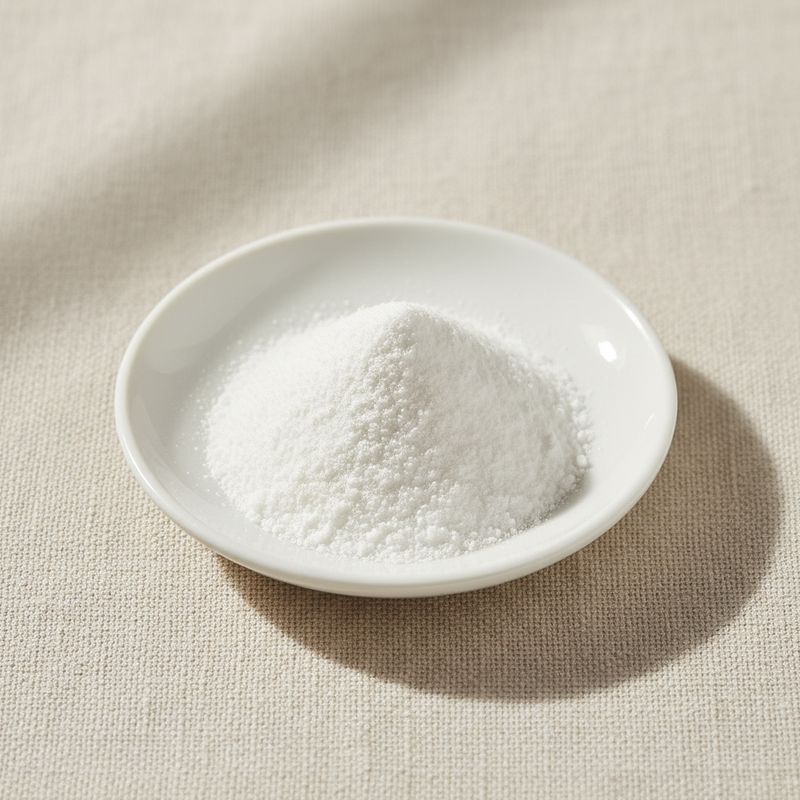
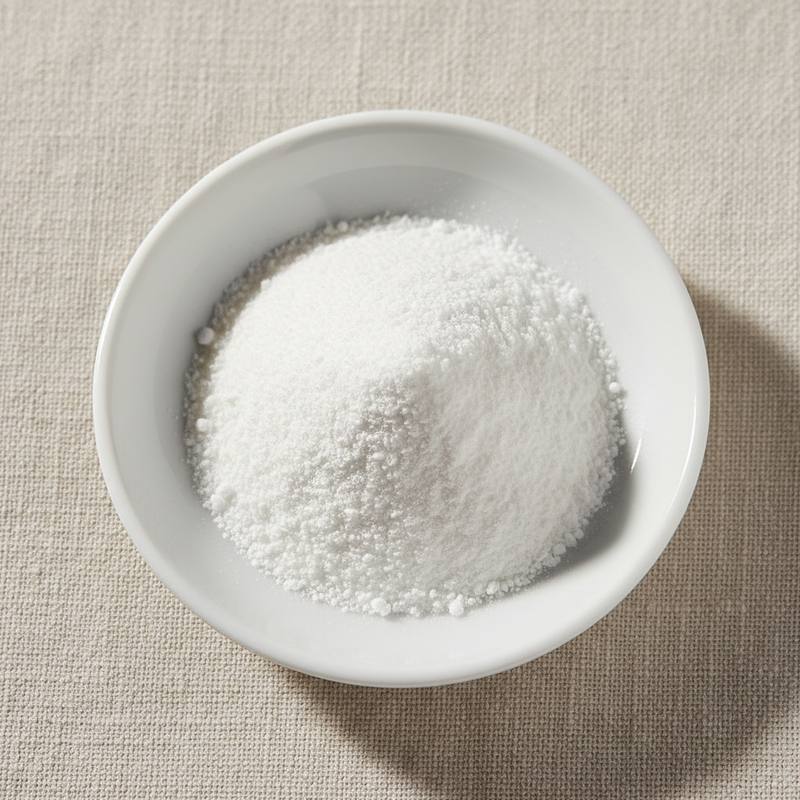
White crystals or crystalline powder. Slightly hygroscopic; soluble in water and alcohol. Used wherever the natural-source claim of L-Malic Acid is not required.
We supply food-grade DL-Malic Acid from manufacturers in China holding ISO, Halal, Kosher and other certifications relevant to the product and production.
Common market grades include Standard Food Grade (FCC compliant), Industrial Grade for cleaning and chelation, and specialty granulations from fine powder to coarse granules for confectionery dusting and direct-compression tabletop sour preparations.
Bulk and reduced-MOQ shipments. Batch-level COA covering assay, specific rotation, residue on ignition, heavy metals, and microbiology.
Introduction
Malic Acid was first isolated from apple juice by Carl Wilhelm Scheele in 1785 (the Latin name for apple, malum, gives the acid its name). Both the L-Malic and DL-Malic forms occur naturally in fruits, with apples, cherries, and rhubarb particularly rich sources.
Modern industrial production of DL-Malic Acid proceeds by chemical synthesis from maleic anhydride or fumaric acid through hydration, yielding the racemic mixture. Synthetic production is significantly cheaper than fermentation-based L-Malic and dominates global supply for cost-driven food applications.
Regulated as E296 in the EU (covering both DL and L forms), classified as Generally Recognized as Safe by the U.S. FDA, and approved by JECFA without a numerical Acceptable Daily Intake limit.
The compound's defining sensory property is sourness intensity that exceeds citric acid by approximately 20 percent at equivalent doses, combined with a slower onset and longer-lasting flavor curve. This makes Malic Acid the preferred acidulant in sour-extreme confectionery where the goal is sustained intense sourness rather than the quick sharp note of citric acid.
Strategic use in beverage and confectionery formulation is often as a co-acidulant with citric acid: citric provides the immediate sharp note, malic provides the lingering sourness, and the combination delivers a more rounded sensory profile than either acid alone.
Where it is used
- Sour confectionery: gummies, hard candies, and powdered sour coatings; the dominant acidulant in extreme-sour candy categories
- Carbonated and still beverages; provides smoother sourness than citric acid
- Apple juice and apple-flavored beverages where the natural acid of apples is being mimicked
- Fruit jams, jellies, and dessert fillings
- Wine acidification and balancing
- Bakery products including pies and pastry fillings
- Pharmaceutical syrups and chewable tablets
- Powdered drink mixes and instant beverage powders
- Industrial applications: metal cleaning and chelation
Technical data
| Item | Specification |
|---|---|
| Appearance | White crystals or crystalline powder |
| Assay | 99.0% to 100.5% |
| Specific rotation | −0.10° to +0.10° |
| Residue on ignition | ≤ 0.1% |
| Loss on drying | ≤ 0.5% |
| Heavy metals (as Pb) | ≤ 10 mg/kg |
| Arsenic | ≤ 3 mg/kg |
| Fumaric acid | ≤ 1.0% |
| Particle size | Per customer specification |
Related ingredients
Ready to discuss business?
Send us your spec and requirement. We will respond with availability and pricing within 24 hours.