Description
A feed-grade emulsifier produced by enzymatic hydrolysis of soy lecithin with phospholipase A, replacing one fatty acid on each phospholipid with a free hydroxyl. The resulting lysophospholipids are markedly more hydrophilic and more effective emulsifiers than the parent lecithin, with a hydrophilic-lipophilic balance suitable for the aqueous environment of the small intestine.
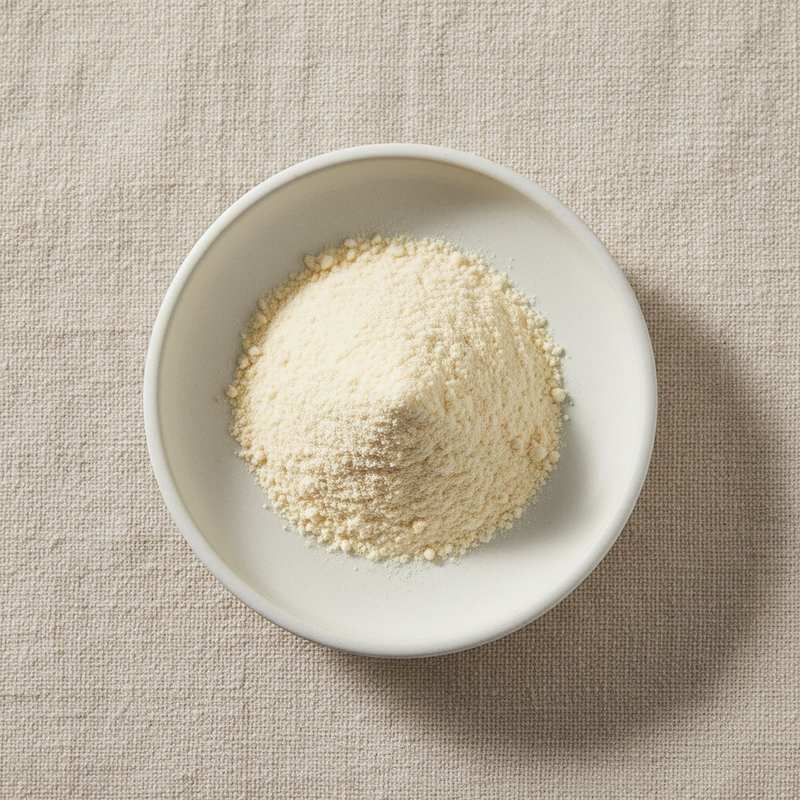
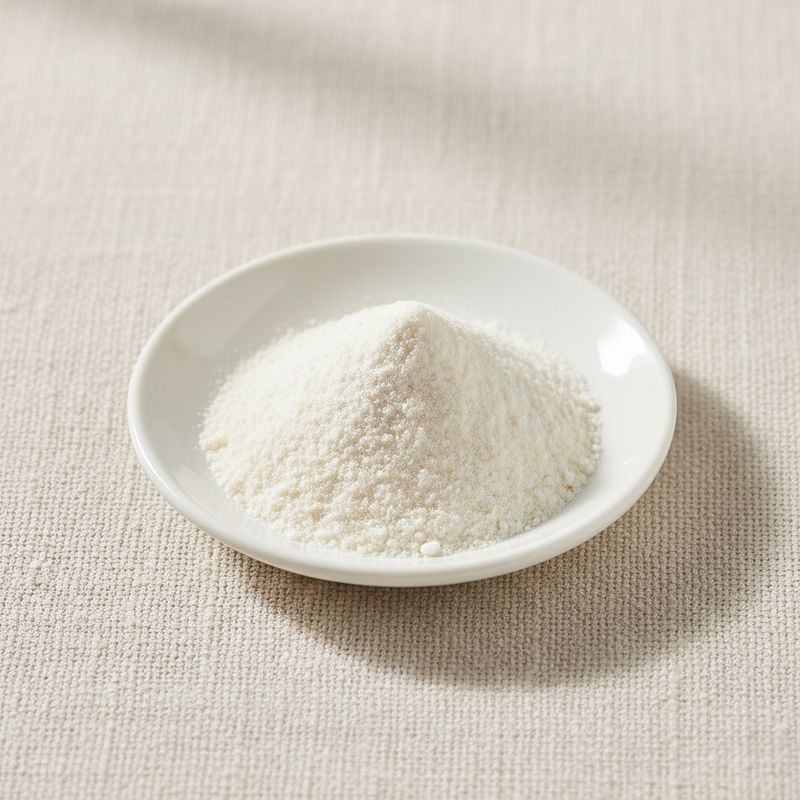
Free-flowing pale yellow to brown powder when carrier-adsorbed, or amber paste in concentrated form.
We supply feed-grade Lysolecithin from manufacturers in China holding ISO, FAMI-QS, and other certifications relevant to the product and production.
Common market grades include 30 percent and 50 percent lysolecithin on a silica or carbohydrate carrier, and 90 percent paste for liquid premix use.
Bulk and reduced-MOQ shipments. Batch-level COA covering lysophospholipid content, peroxide value, moisture, and microbiology.
Introduction
Native soy lecithin is a mixture of phosphatidylcholine, phosphatidylethanolamine, and phosphatidylinositol, each carrying two fatty acid chains. The molecule is amphipathic but the hydrophilic head is dominated by the two long lipid tails, making it a relatively weak emulsifier in aqueous environments.
Enzymatic hydrolysis with phospholipase A removes one of the fatty acid chains from each phospholipid, producing lysophosphatidylcholine, lysophosphatidylethanolamine, and lysophosphatidylinositol. The smaller lipid tail shifts the HLB into the range optimal for intestinal micelle formation, dramatically improving emulsifier function.
The feed application is to extend the activity of the animal's own bile and pancreatic emulsification system, which in young, fast-growing, and high-energy-fed animals is often the rate-limiting step in fat utilization. Typical inclusion is 250 to 1000 grams per ton of finished feed.
Approved as a feed material in the EU, the US, China, and most major livestock markets.
Where it is used
- Broiler feeds with high vegetable oil or animal fat inclusion for fat digestibility improvement
- Layer feeds for yolk pigment uptake (lutein, zeaxanthin) and energy utilization
- Piglet weaner feeds containing added fat or full-fat soybean
- Aquaculture feeds (shrimp, salmonids, tilapia) for fat and fat-soluble vitamin absorption
- Calf milk replacers and starter feeds
- Companion animal diets for fat-sensitive gastrointestinal conditions
- Energy reduction programs that substitute emulsifier for added oil
- Component of fat-utilization premixes alongside bile acids and lipase
Technical data
| Item | Specification |
|---|---|
| Appearance | Free-flowing pale yellow to brown powder (carrier forms); amber paste (concentrate) |
| Lysophospholipid content | ≥ 30.0% or ≥ 50.0% (powder); ≥ 90.0% (paste) |
| Acetone insolubles | ≥ 50.0% (paste basis) |
| Peroxide value | ≤ 5.0 meq/kg |
| Moisture | ≤ 5.0% |
| Heavy metals (as Pb) | ≤ 10 mg/kg |
| Salmonella | Absent in 25 g |
| Acid value | ≤ 35 mg KOH/g |
Related ingredients
Ready to discuss business?
Send us your spec and requirement. We will respond with availability and pricing within 24 hours.