Description
A prebiotic carbohydrate fraction derived from the cell wall of Saccharomyces cerevisiae (brewer's or baker's yeast). MOS binds Gram-negative pathogens through their fimbriae and carries them harmlessly through the digestive tract.
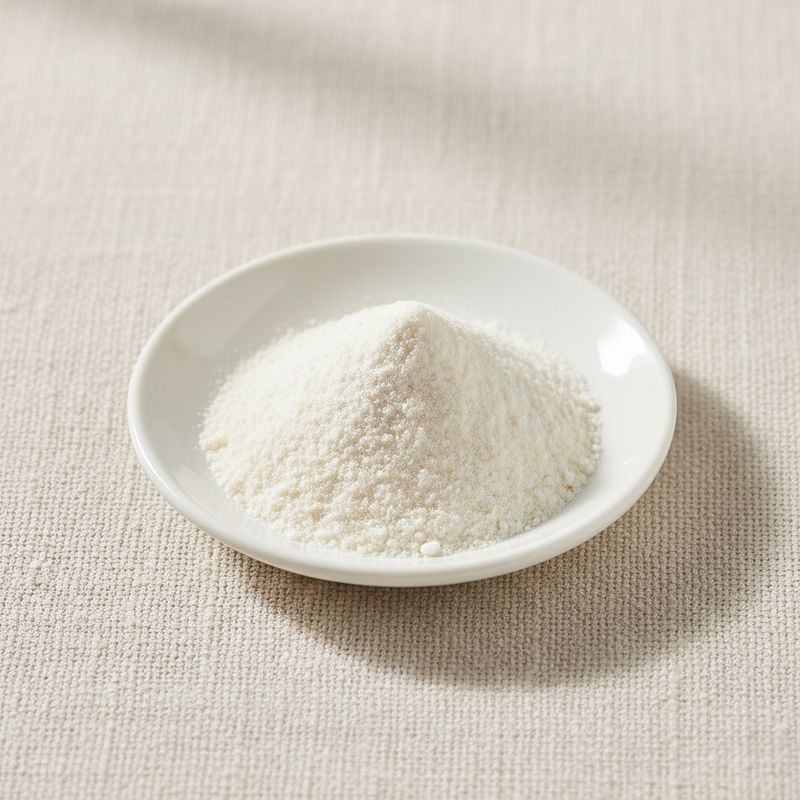
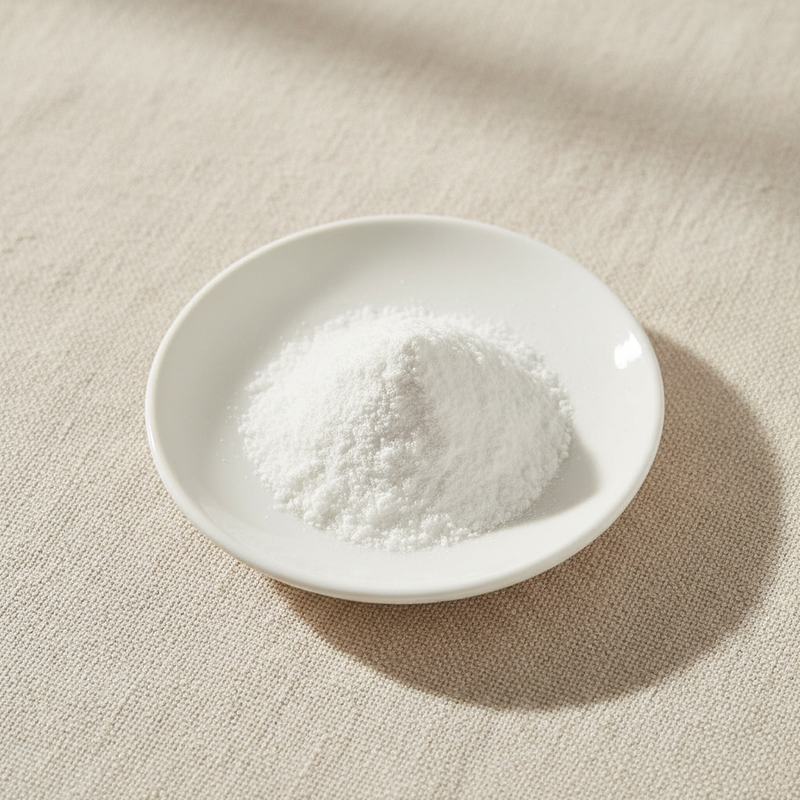
Light yellow to brown free-flowing powder with a mild yeast aroma. Highly stable to pelleting and extrusion temperatures and to the full pH range encountered in feed processing.
We supply feed-grade Mannan Oligosaccharide from manufacturers in China holding ISO, FAMI-QS, and other certifications relevant to the product and production.
Common market grades include standard 20 percent and 25 percent mannan content, and high-purity 35 percent and 45 percent for premium gut health premix use. Beta-glucan content is typically reported alongside the mannan figure.
Bulk and reduced-MOQ shipments. Batch-level COA covering mannan content, beta-glucan content, protein, ash, moisture, and microbiology.
Introduction
Mannan Oligosaccharide is produced by mechanical disruption and enzymatic processing of Saccharomyces cerevisiae cell walls, isolating the mannoprotein-rich outer layer that contains both alpha-mannan and beta-1,3/1,6-glucan structures.
The pathogen-binding mechanism is well characterized. Many Gram-negative bacteria carry Type 1 fimbriae with mannose-specific lectins that allow them to attach to intestinal epithelium. MOS provides an abundance of competing mannose-binding sites in the gut lumen, so the pathogens bind to the supplement instead and are excreted.
Secondary effects include immunomodulation through the beta-glucan fraction, which activates innate immune receptors on macrophages and neutrophils, and modulation of the microbiome favoring beneficial Lactobacillus and Bifidobacterium populations.
MOS is one of the longest-standing antibiotic-alternative feed additives, in commercial use since the 1990s, and has an extensive published efficacy record across all major livestock species. Approved globally as a feed material or feed additive.
Where it is used
- Piglet weaner feeds for pathogen binding and immune support during the post-weaning transition
- Broiler and layer feeds to bind Salmonella, E. coli, and other Gram-negative pathogens
- Calf milk replacers and starter feeds
- Aquaculture feeds for shrimp, salmonids, tilapia, and carp
- Companion animal therapeutic diets, particularly for gastrointestinal sensitivity
- Sow lactation diets to improve colostrum quality and piglet immune transfer
- Antibiotic-alternative programs in poultry and swine production
- Component of multi-active gut health and immunity premixes
Technical data
| Item | Specification |
|---|---|
| Appearance | Light yellow to brown free-flowing powder |
| Mannan content | ≥ 20.0% (standard); ≥ 35.0% (premium) |
| Beta-glucan content | ≥ 20.0% (standard); ≥ 25.0% (premium) |
| Crude protein | ≤ 25.0% |
| Moisture | ≤ 8.0% |
| Ash | ≤ 10.0% |
| Salmonella | Absent in 25 g |
| Total plate count | ≤ 50,000 CFU/g |
| Particle size | 80 to 100 mesh standard, or per customer specification |
Related ingredients
Ready to discuss business?
Send us your spec and requirement. We will respond with availability and pricing within 24 hours.