Description
A linear polysaccharide of glucose units linked through beta-1,3 and beta-1,4 (oat-derived) or beta-1,3 and beta-1,6 (yeast-derived) glycosidic bonds. Soothes reactive skin, supports barrier recovery, and binds substantial water at the stratum corneum surface. Frequently positioned as a hyaluronic-acid alternative or complement.
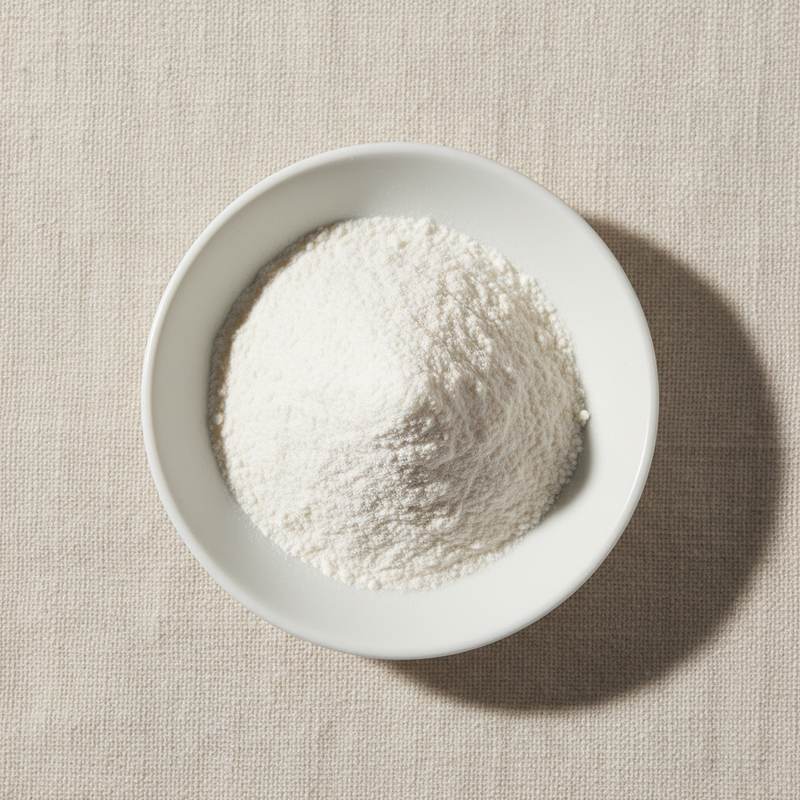
Off-white to pale yellow viscous liquid (1 to 2 percent aqueous solution) or fine powder. Forms smooth gels in water, with viscosity similar to high-molecular-weight HA at equal solids. Stable across the cosmetic pH range.
We supply cosmetic-grade Beta-Glucan from manufacturers in China holding ISO 22716, ISO 9001, Halal, Kosher and ECOCERT certifications relevant to the product and production. Oat (Avena sativa) and yeast (Saccharomyces cerevisiae) sources are both available.
Common market grades include Oat Beta-Glucan 1% to 2% aqueous solution (the dominant K-beauty cosmetic form), Yeast Beta-Glucan 70% to 85% powder, and high-purity Yeast Beta-Glucan 90% min powder for premium dermocosmetic positioning. Molecular weight varies by grade and source.
Bulk and reduced-MOQ shipments. Batch-level COA covering beta-glucan content (Megazyme enzymatic assay), protein content, ash, heavy metals, and microbiology.
Introduction
Beta-glucans were first characterized in the 1940s in cereal grains and were later identified as the principal immunomodulatory polysaccharides of yeast cell walls and medicinal mushrooms. Cosmetic adoption began in the 1980s and accelerated through K-beauty in the 2010s, with brands like Skinfood, Beauty of Joseon, and Aromatica positioning beta-glucan as a gentler-than-HA hydration active.
Industrial production differs by source. Oat beta-glucan is extracted from oat bran by alkaline hot-water extraction, followed by ultrafiltration to remove starch and proteins, then concentrated to 1 to 2 percent solids. Yeast beta-glucan is produced by alkaline-acid extraction of Saccharomyces cerevisiae cell walls, followed by enzymatic purification to remove residual mannans and proteins.
Regulatory status is that of a listed cosmetic ingredient in CosIng, the PCPC INCI dictionary, and China IECIC. No concentration limit. EU SCCS has not flagged beta-glucan for restriction. Food-grade and cosmetic-grade share underlying chemistry but differ in specification thresholds.
Clinical evidence shows beta-glucan reduces irritation scores, transepidermal water loss, and erythema at 0.05 to 0.5 percent finished-product concentration. Mechanism is attributed to dectin-1 receptor engagement on keratinocytes and Langerhans cells, supporting barrier and immune homeostasis. Wound-healing literature supports topical use in clinical wound dressings.
Strategically, oat beta-glucan is the K-beauty hydration ingredient of the past five years, with Beauty of Joseon's beta-glucan serum anchoring global mass-market awareness. Yeast beta-glucan retains a premium dermocosmetic position. Demand is growing in both segments.
Where it is used
- Soothing serums and ampoules for sensitive and reactive skin
- Post-procedure recovery products and anti-redness lotions
- Hydration boosters as a hyaluronic acid alternative or complement
- Anti-aging creams positioned around barrier and immune support
- Sheet mask essences (Korean cosmetic signature use)
- Sun care and after-sun lotions
- Baby and sensitive-skin product lines
- Eye contour serums and concentrates
- Scalp serums for thinning and shedding claims
Technical data
| Item | Specification |
|---|---|
| Appearance | Off-white to pale yellow viscous liquid or fine powder |
| INCI Name | Beta-Glucan |
| Beta-glucan content (enzymatic assay) | Per grade (1% to 2% in liquid; 70% to 90% in powder) |
| Source | Oat (Avena sativa) or Yeast (Saccharomyces cerevisiae) |
| Protein content | ≤ 5.0% (yeast) or ≤ 2.0% (oat) |
| pH (1% solution) | 5.0 to 7.0 |
| Loss on drying (powder) | ≤ 8.0% |
| Total ash | ≤ 5.0% |
| Heavy metals (as Pb) | ≤ 10 mg/kg |
| Arsenic | ≤ 2 mg/kg |
| Total plate count | ≤ 1,000 CFU/g |
| E. coli, Salmonella, S. aureus, P. aeruginosa | Negative |
| Source extraction | Aqueous alkaline extraction with ultrafiltration purification |
Related ingredients
Ready to discuss business?
Send us your spec and requirement. We will respond with availability and pricing within 24 hours.