Description
The amide form of vitamin B3, the single most-studied multifunctional cosmetic active of the past two decades. Reduces the appearance of uneven skin tone, refines the look of enlarged pores, and supports barrier function through documented effects on ceramide biosynthesis.
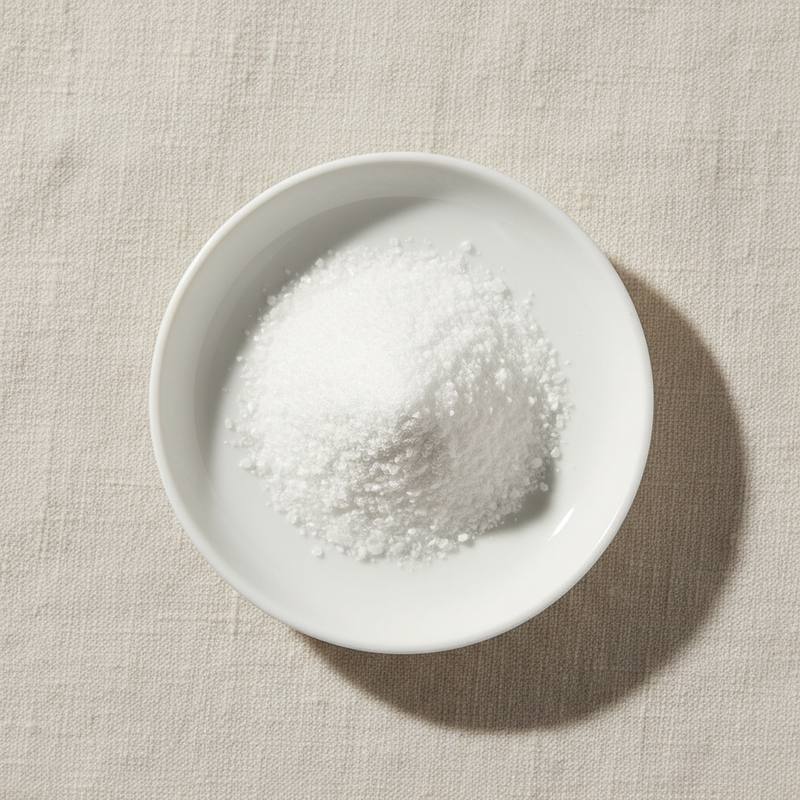
White crystalline powder with a slightly bitter taste, fully water-soluble at high concentrations. The cosmetic grade specifies a tighter color profile and lower nicotinic acid impurity than the pharmaceutical USP grade, because residual nicotinic acid causes flushing and stinging on application.
We supply cosmetic-grade Niacinamide from manufacturers in China holding ISO 22716, ISO 9001, Halal, Kosher and EXCiPACT certifications relevant to the product and production.
Common market grades include Cosmetic Grade 99.0% min (low nicotinic acid, low color), USP/EP Pharmaceutical Grade for crossover use, and ultra-fine micronized grade for clear ampoule and serum formulations. Typical use levels are 2 to 10 percent.
Bulk and reduced-MOQ shipments. Batch-level COA covering HPLC purity, nicotinic acid content, color (APHA), heavy metals, and microbiology.
Introduction
Niacinamide was first identified in the 1930s as the active form of vitamin B3 deficient in pellagra. Cosmetic interest dates from the 1970s and accelerated dramatically after Procter and Gamble's published clinical work on Olay Total Effects in the early 2000s, which established 5 percent as a benchmark dose for hyperpigmentation and skin barrier endpoints.
Modern industrial production is by ammonolysis of 3-cyanopyridine or by direct amidation of nicotinic acid under controlled conditions. The cosmetic grade specification differs from pharmacopoeial grade in tighter limits on residual nicotinic acid (typically below 50 to 100 ppm) because that impurity is responsible for the flushing and stinging some consumers report.
Regulatory status is that of a cosmetic ingredient with no concentration limit in the EU, U.S., China IECIC, Japan, ASEAN, and other major regions. China NMPA registration is straightforward.
Clinical evidence is among the strongest in cosmetic dermatology: peer-reviewed double-blind studies consistently show statistically significant improvement in hyperpigmentation, skin yellowness, pore size, fine lines, and transepidermal water loss at 2 to 5 percent over 8 to 12 weeks. Mechanism is multifactorial, including inhibition of melanosome transfer, ceramide biosynthesis upregulation, and reduction of glycation end products.
Strategically, Niacinamide remains the most-used active in the global serum category. The Ordinary's 10% Niacinamide serum catalyzed mass-market adoption, and most prestige and dermocosmetic brands now run dedicated Niacinamide SKUs.
Where it is used
- Brightening serums and essences positioned around uneven tone and dark spots
- Pore-refining toners and lotions; the global category-defining ingredient at 4 to 5 percent
- Anti-aging moisturizers and night creams
- Oil-control products for combination and oily skin types
- Barrier-repair creams alongside ceramides and panthenol
- Post-acne mark fading serums
- Sunscreen formulations as a stabilizing co-active
- Body lotions and stretch-mark creams
- Hair and scalp serums for thinning and shedding claims
Technical data
| Item | Specification |
|---|---|
| Appearance | White crystalline powder |
| INCI Name | Niacinamide |
| Assay (HPLC, dry basis) | ≥ 99.0% |
| Nicotinic acid content | ≤ 100 ppm (cosmetic grade) |
| Loss on drying | ≤ 0.5% |
| pH (5% solution) | 6.0 to 7.5 |
| Melting point | 128 °C to 131 °C |
| Color (APHA, 50% solution) | ≤ 50 |
| Heavy metals (as Pb) | ≤ 10 mg/kg |
| Arsenic | ≤ 2 mg/kg |
| Total plate count | ≤ 100 CFU/g |
| E. coli, Salmonella, S. aureus, P. aeruginosa | Negative |
| Source | Synthetic, ammonolysis of 3-cyanopyridine |
Related ingredients
Ready to discuss business?
Send us your spec and requirement. We will respond with availability and pricing within 24 hours.