Description
The general-catalog SKU for Vitamin B3, covering both Nicotinic Acid (Niacin, catalog id 7908) and its amide form Nicotinamide (Niacinamide). The two forms are nutritionally equivalent but differ in pharmacological action: Niacin produces characteristic flushing at high doses while Niacinamide does not.
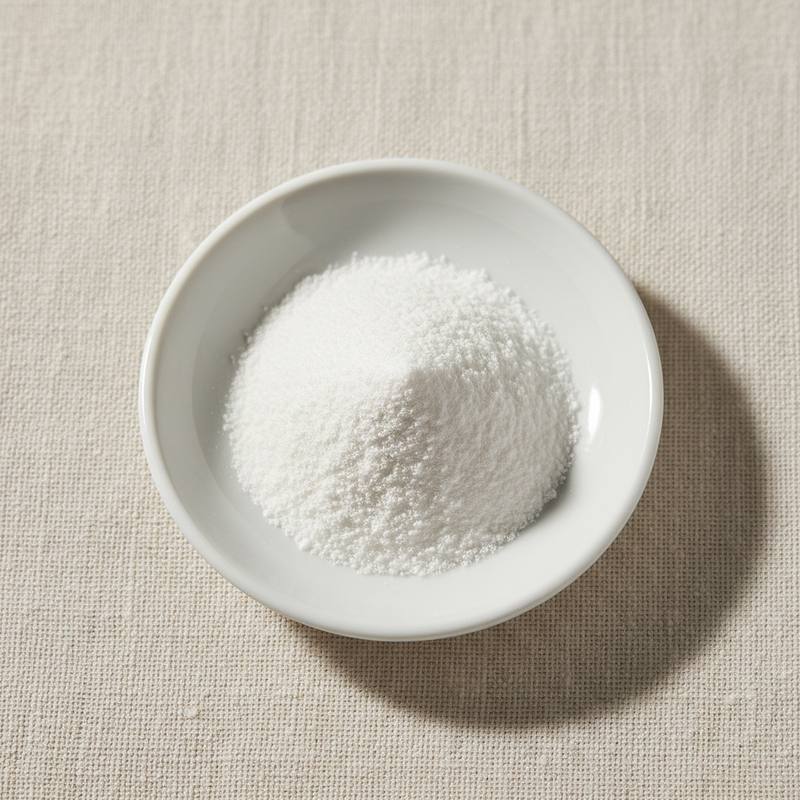
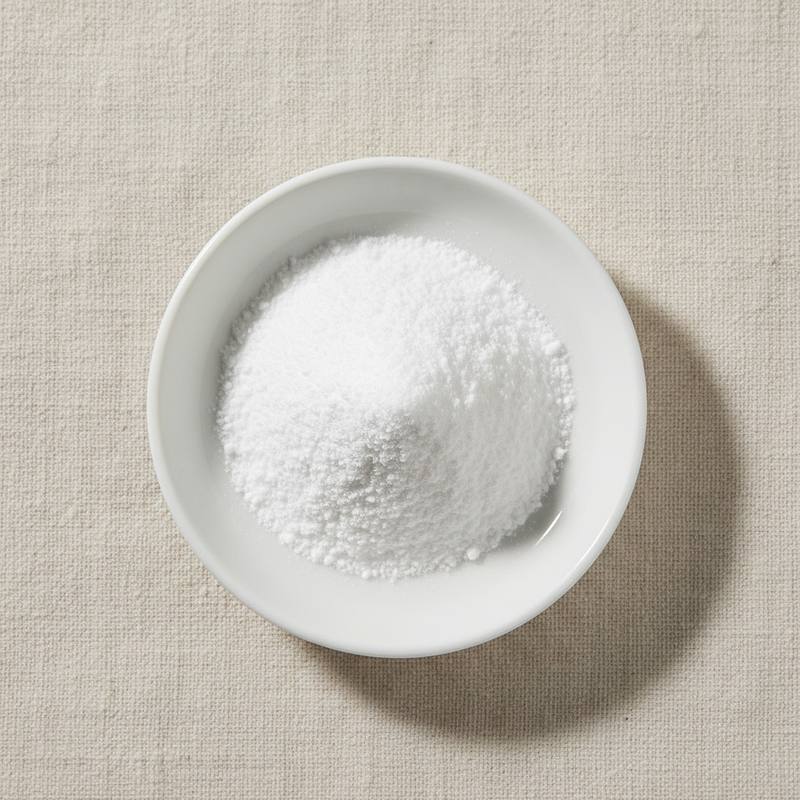
White crystalline powder for both forms. Highly water-soluble. Niacinamide is preferred for cosmetic skincare and supplement applications where flushing is undesirable; Niacin is preferred for cholesterol-management pharmaceutical applications where flushing is acceptable.
We supply food-grade, feed-grade, and pharmaceutical-grade Vitamin B3 in both Niacin and Niacinamide forms from manufacturers in China holding ISO, Halal, Kosher and other certifications relevant to the product and production.
Common market grades include Niacin Standard Food Grade, Niacinamide Standard Food Grade, Both Forms in Pharmaceutical Grade meeting BP/USP/EP specifications, Sustained-Release Niacin for cholesterol-management pharmaceutical applications, and Cosmetic-Grade Niacinamide for premium skincare manufacturing.
Bulk and reduced-MOQ shipments. Batch-level COA covering assay, melting point, related substances, heavy metals, and microbiology.
Introduction
This SKU is the general-catalog entry covering both forms of Vitamin B3: Niacin (Nicotinic Acid, the acid form) and Niacinamide (Nicotinamide, the amide form). Both forms convert in vivo to the same NAD and NADP coenzymes essential for cellular energy metabolism.
The two forms differ pharmacologically: Niacin produces a characteristic skin-flushing reaction at doses above approximately 50 mg, mediated by prostaglandin release; Niacinamide does not produce flushing at any dose. This difference shapes commercial application: Niacin is used clinically at gram-scale doses for cholesterol management (where flushing is a tolerated side effect); Niacinamide is preferred everywhere else where flushing would be undesirable.
Regulatory status is identical for both forms (GRAS in the U.S., approved globally, listed in major pharmacopoeias). Recommended Dietary Allowance is 14 to 16 mg per day for adults (expressed as niacin equivalents).
Niacinamide has emerged since 2010 as one of the most important cosmetic active ingredients globally, valued for skin-barrier improvement, anti-pigmentation effects, and gentle compatibility with virtually all other skincare actives. The cosmetic application has driven substantial growth in pure-grade Niacinamide demand independent of food and supplement uses.
Strategic positioning combines food fortification (volume baseline), feed nutrition, human supplements, pharmaceutical cholesterol-management, and rapidly growing cosmetic applications.
Where it is used
- Fortified flour, cereals, and bread; mandatory fortification in many countries
- Animal feed: poultry, swine, and aquaculture fortification
- Dietary supplements: B-complex, multivitamin, and energy-positioned formulations
- Pharmaceutical applications: cholesterol-management at high doses (Niacin form), general B3 supplementation
- Cosmetic and skincare: Niacinamide is one of the most widely used cosmetic actives globally, valued for barrier-function and anti-pigmentation effects
- Infant formula and clinical nutrition
- Energy drinks and functional beverages
- Sports nutrition formulations
Technical data
| Item | Specification |
|---|---|
| Available forms | Niacin (Nicotinic Acid) and Niacinamide (Nicotinamide) |
| Appearance | White crystalline powder |
| Assay (dry basis) | 99.0% to 101.0% |
| Melting point | 234-238 °C (Niacin) / 128-131 °C (Niacinamide) |
| Loss on drying | ≤ 0.5% |
| Heavy metals (as Pb) | ≤ 10 mg/kg |
| Arsenic | ≤ 3 mg/kg |
| Particle size | Per customer specification |
Related ingredients
Ready to discuss business?
Send us your spec and requirement. We will respond with availability and pricing within 24 hours.