Description
A controlled-hydrolysis grade of sodium hyaluronate in the 10,000 to 200,000 Dalton range, sometimes labeled as oligo-HA or mini-HA in marketing copy. Penetrates the upper layers of the stratum corneum to deliver hydration below the surface film created by high-MW grades.
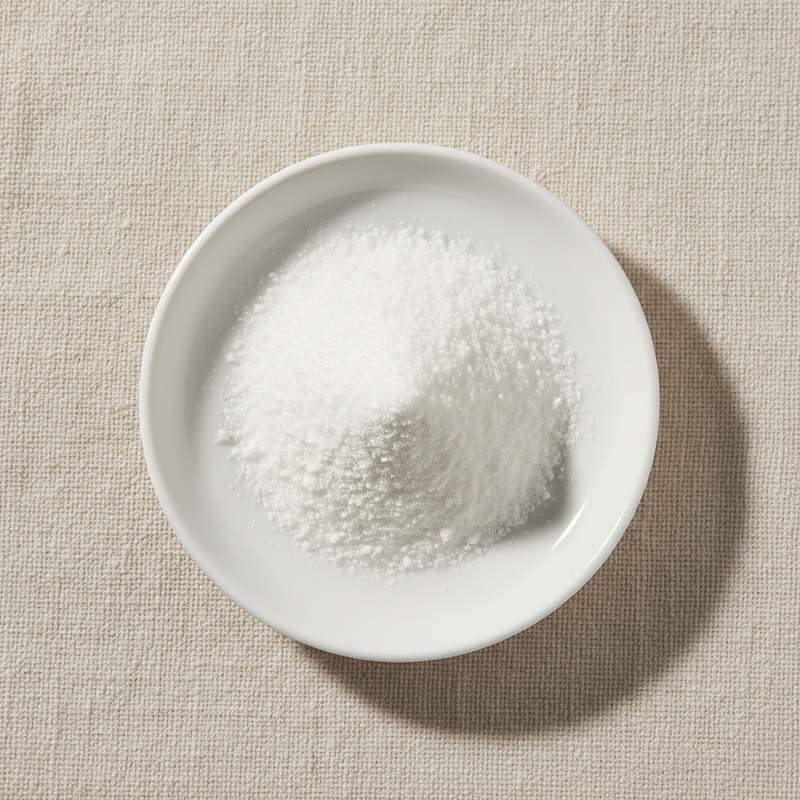
White to off-white free-flowing powder. Lower viscosity in solution than high-MW HA, easier to incorporate in clear gels, ampoules, and lightweight serums, and compatible with cold-process manufacturing.
We supply cosmetic-grade Low Molecular Weight Hyaluronic Acid from manufacturers in China holding ISO 22716, ISO 9001, Halal, Kosher and ECOCERT certifications relevant to the product and production. Fermentation origin, animal-free.
Common market grades by molecular weight include LMW (50,000 to 200,000 Da) for general penetration claims, oligo-HA (10,000 to 50,000 Da) for advanced anti-aging serums, and ultra-low or hyaluronic acid fragments (below 10,000 Da, sometimes called HA4 or HA tetrasaccharide) for premium positioning.
Bulk and reduced-MOQ shipments. Batch-level COA covering molecular weight by GPC, glucuronic acid assay, endotoxin (where required), heavy metals, and microbiology.
Introduction
Low molecular weight hyaluronic acid is produced from standard fermentation HA by controlled enzymatic or oxidative hydrolysis, followed by ultrafiltration to define the target molecular-weight band. The technical challenge is achieving a narrow MW distribution without leaving residual hydrolysis reagents or breakdown products.
Cosmetic regulatory status is identical to standard sodium hyaluronate; CosIng, IECIC, and PCPC listings cover all MW ranges under the same INCI name.
The penetration argument for LMW HA is supported by ex vivo skin-permeation studies showing that fragments below 100,000 Da reach the upper epidermis within 30 to 60 minutes of application, whereas high-MW polymer is confined to the stratum corneum surface. The strongest clinical evidence is for the 50,000 to 200,000 Da range, which is large enough to remain mostly intact during topical residence and small enough to penetrate.
Strategically, LMW HA is the differentiating ingredient in multi-MW serum formulations that have driven premium pricing across K-beauty, prestige Western brands, and emerging dermocosmetic lines. Multi-fraction claims (5 weights, 7 weights, and so on) depend on this raw material category.
Where it is used
- Penetrating anti-aging serums and ampoules positioned as deeper hydration
- Multi-weight HA blends for layered hydration claims combining surface and inner-layer effects
- Eye serums and concentrates for fine-line appearance
- Post-procedure recovery products following micro-needling, laser, or peels
- Hair scalp serums and leave-in treatments
- Lightweight gel moisturizers and hydration boosters
- Sheet mask essence with rapid-absorption claims
- Premium dermocosmetic and physician-dispensed product lines
Technical data
| Item | Specification |
|---|---|
| Appearance | White to off-white powder |
| INCI Name | Sodium Hyaluronate |
| Assay (Glucuronic acid, dry basis, HPLC) | 44.0% to 52.0% |
| Hyaluronic Acid Content (dry basis) | ≥ 93.0% |
| Molecular Weight (GPC) | 10,000 to 200,000 Da (target band per grade) |
| Loss on drying | ≤ 10.0% |
| pH (0.1% solution) | 6.0 to 7.5 |
| Protein content | ≤ 0.1% |
| Heavy metals (as Pb) | ≤ 10 mg/kg |
| Arsenic | ≤ 1 mg/kg |
| Total plate count | ≤ 100 CFU/g |
| E. coli, Salmonella, S. aureus, P. aeruginosa | Negative |
| Source | Microbial fermentation, controlled hydrolysis, non-animal |
Related ingredients
Ready to discuss business?
Send us your spec and requirement. We will respond with availability and pricing within 24 hours.