Description
The sodium salt of hyaluronic acid, a linear glycosaminoglycan composed of repeating N-acetylglucosamine and glucuronic acid disaccharide units. The sodium salt is the stable, water-soluble commercial form used in food, supplement, cosmetic, and pharmaceutical applications.
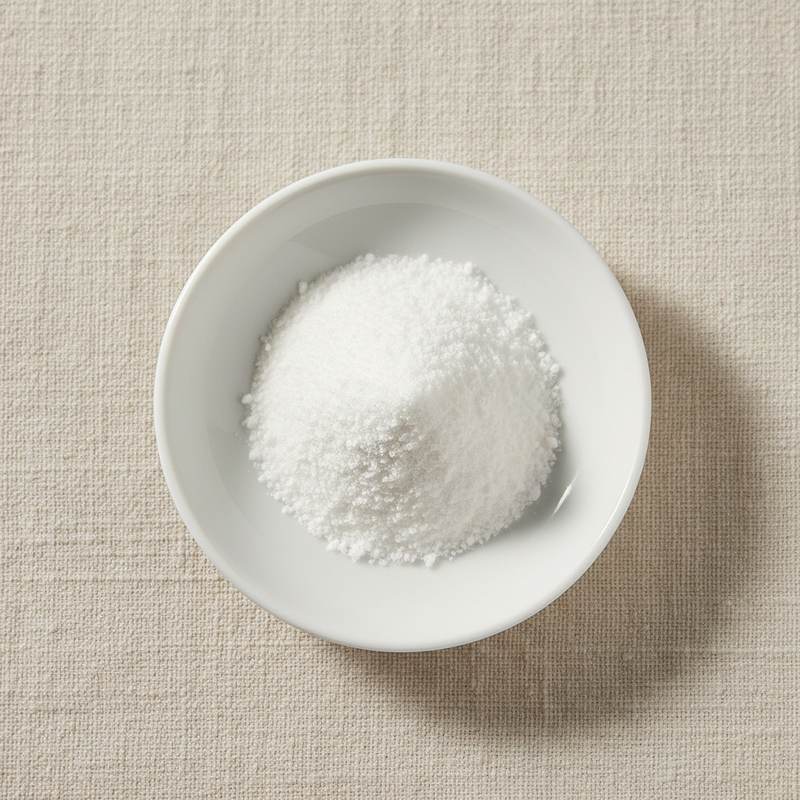
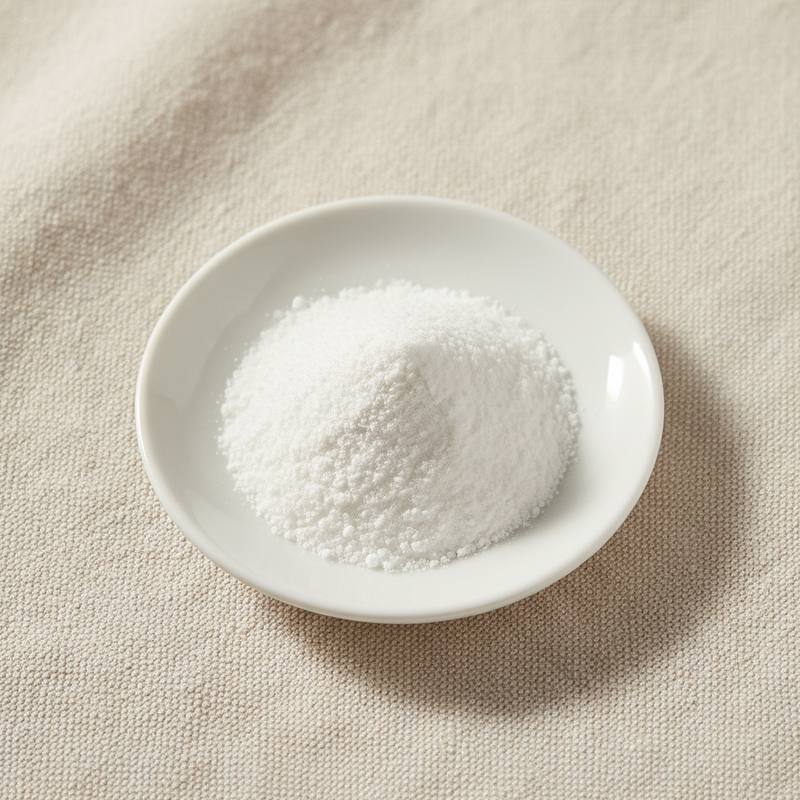
White to off-white powder. Highly water-soluble (forming viscous solutions at low concentration), hygroscopic, and stable when stored sealed and protected from humidity.
We supply food-grade and cosmetic-grade Sodium Hyaluronate from manufacturers in China holding ISO, Halal, Kosher and other certifications relevant to the product and production. The material is produced by bacterial fermentation using Streptococcus zooepidemicus or related approved strains; rooster-comb extraction has been entirely displaced by fermentation in food and cosmetic applications.
Common market grades are categorised by molecular weight: Low Molecular Weight (LMW, below 100 kDa, for oral supplements and penetrating skincare), Medium Molecular Weight (MMW, 500 to 1,000 kDa, balanced applications), High Molecular Weight (HMW, 1,000 to 2,000 kDa, surface skincare and joint injections), and Oligo-HA (below 10 kDa, premium oral and cosmetic positioning).
Bulk and reduced-MOQ shipments. Batch-level COA covering assay, molecular-weight distribution, intrinsic viscosity, protein content, heavy metals, and microbiology.
Introduction
Hyaluronic acid was first isolated from bovine vitreous humour by Karl Meyer and John Palmer at Columbia University in 1934. The compound was recovered commercially from rooster combs and umbilical cord through the mid-twentieth century, and fermentation-based production scaled in the 1990s following the introduction of attenuated Streptococcus production strains.
Modern industrial production is by submerged fermentation under controlled conditions, followed by membrane filtration, ion exchange, alcohol precipitation, and spray drying. Molecular-weight control is achieved through fermentation conditions and downstream enzymatic or shear-mediated fragmentation, allowing manufacturers to deliver targeted molecular-weight grades to match application requirements.
Recognised as Generally Recognized as Safe by the U.S. FDA, approved as a Novel Food in the EU, and approved as a food and Health Food ingredient in China and Japan. Listed in USP, EP, and JP pharmacopoeias for pharmaceutical and medical-device applications.
The molecular-weight grade is the principal commercial driver. Low-molecular-weight hyaluronate (below 100 kDa) is absorbed orally and penetrates the upper layers of skin, supporting inner-beauty and penetrating-skincare positioning. High-molecular-weight hyaluronate (above 1,000 kDa) forms a hydrating film on the skin surface and is the standard grade for moisturising creams and joint injections.
The shift from rooster-comb extraction to fermentation has displaced almost all animal-origin material in food and cosmetic applications. Pharmaceutical applications retain a smaller share of animal-derived material in legacy product registrations, with new approvals predominantly fermentation-based.
Where it is used
- Skincare and cosmetic formulations including serums, creams, and masks; the dominant single application by volume globally
- Oral skin-beauty supplements positioned for skin hydration and elasticity
- Joint-health supplements as an adjunct to glucosamine and chondroitin
- Functional beverages and gummies in the inner-beauty retail segment
- Eye-care drops and lubricating ophthalmic solutions (pharmaceutical grades)
- Pharmaceutical viscosupplements for knee-osteoarthritis injection (pharmaceutical grades)
- Medical-device lubricants and surgical aids (pharmaceutical grades)
- Wound-care dressings and topical regeneration products
Technical data
| Item | Specification |
|---|---|
| Appearance | White to off-white powder |
| Assay (dry basis) | ≥ 95.0% |
| Molecular weight | Per customer specification (Oligo, LMW, MMW, HMW) |
| Loss on drying | ≤ 10.0% |
| Protein content | ≤ 0.1% |
| Glucuronic acid content | ≥ 42.0% |
| pH (0.5% solution) | 6.0 to 7.5 |
| Heavy metals (as Pb) | ≤ 10 mg/kg |
| Arsenic | ≤ 2 mg/kg |
| Microbiology | Total plate count ≤ 100 CFU/g; absence of Salmonella, E. coli, S. aureus, P. aeruginosa |
Related ingredients
Ready to discuss business?
Send us your spec and requirement. We will respond with availability and pricing within 24 hours.