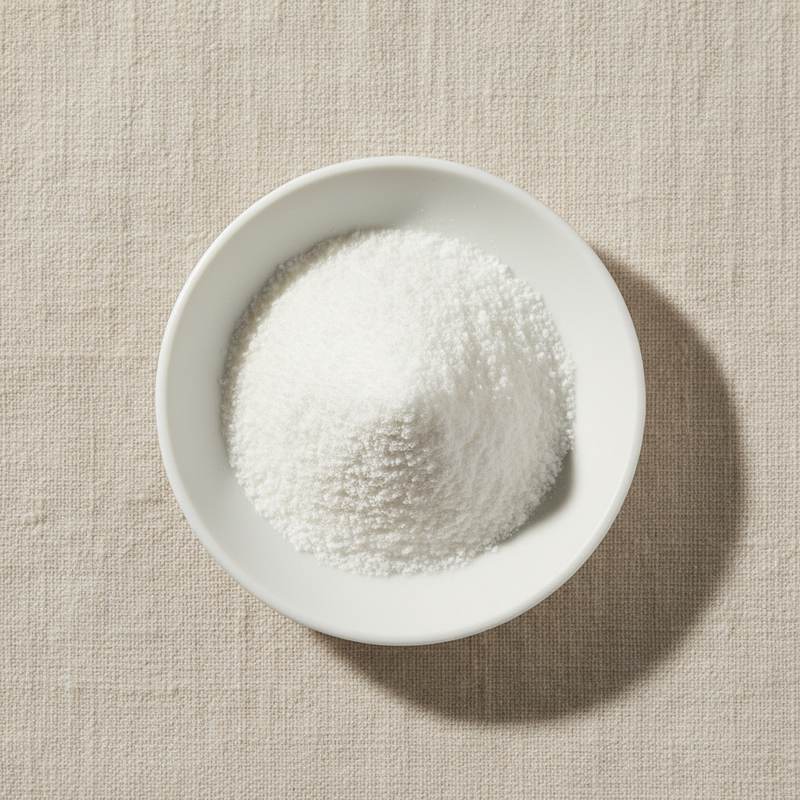
Description
An acetylated amino sugar that is the monomeric building block of chitin and hyaluronic acid and a direct substrate for hyaluronan biosynthesis. A distinct compound from glucosamine HCl and glucosamine sulfate, with different absorption and physiological positioning.
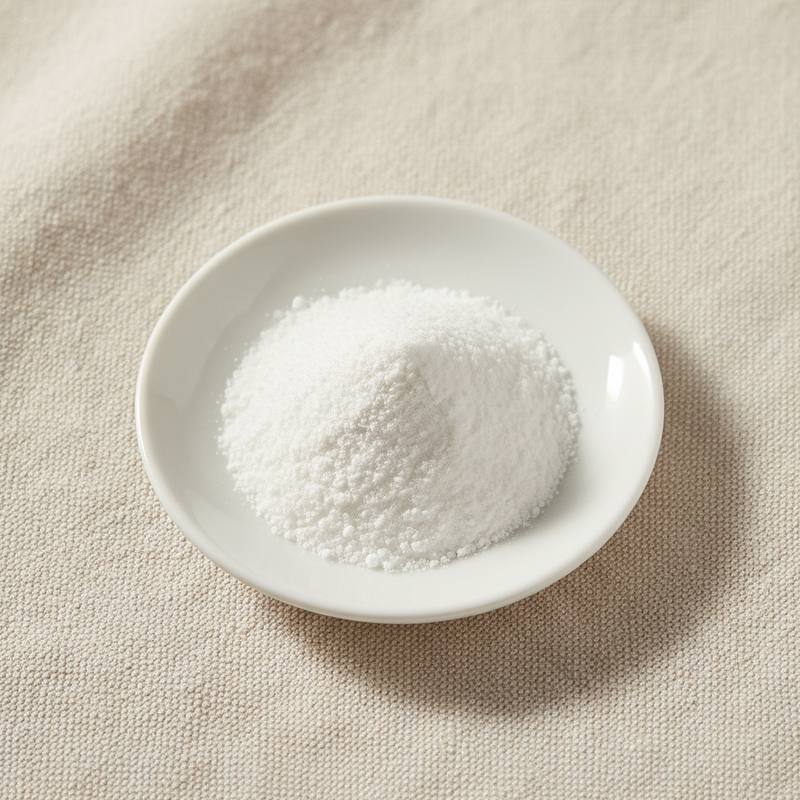
White crystalline powder. Highly water-soluble with a mildly sweet taste, approximately half the sweetness of sucrose. Heat-stable through baking and pasteurisation; pH-stable across the food and supplement range.
We supply food-grade N-Acetylglucosamine from manufacturers in China holding ISO, Halal, Kosher and other certifications relevant to the product and production. The material is produced by enzymatic hydrolysis of chitin from crustacean shells or by microbial fermentation; the fermentation route delivers a shellfish-allergen-free grade for premium and pediatric use.
Common market grades include 98 percent and 99 percent purity, with both crustacean-derived and fermentation-derived (vegan, shellfish-free) origins available. Pharmaceutical-grade material meeting USP and JP monographs is available on request.
Bulk and reduced-MOQ shipments. Batch-level COA covering assay, specific rotation, loss on drying, heavy metals, residual solvents, microbiology, and origin (crustacean versus fermentation).
Introduction
N-Acetylglucosamine is one of the most abundant biomolecules on Earth, occurring as the monomer of chitin in the exoskeletons of crustaceans and insects and the cell walls of fungi, and as a structural unit of hyaluronic acid, chondroitin sulfate, and many human glycoproteins.
Commercial production traditionally proceeded by enzymatic hydrolysis of chitin recovered from shrimp and crab shell, which yields a high-purity material but carries the shellfish allergen association. Microbial fermentation using engineered E. coli or Bacillus subtilis strains has scaled over the past decade and now supplies the fermentation-derived, shellfish-free grade preferred for pediatric, vegan, and allergen-sensitive applications.
Recognised as Generally Recognized as Safe by the U.S. FDA, approved as a Novel Food in the EU (regulation 258/97, with subsequent updates), and approved as a Health Food monograph ingredient in China and Japan.
The molecule differs from glucosamine HCl and glucosamine sulfate in its acetylated form: NAG is absorbed intact and incorporated directly into hyaluronan and glycoprotein biosynthesis pathways, while the salt forms must first be acetylated in the body. Clinical literature supports both joint-health and skin-hydration positioning, with the latter increasingly important in premium cosmetic and supplement formulations.
The shellfish-derived versus fermentation-derived origin question is the principal commercial differentiator. Premium and pediatric markets demand fermentation-derived material with documented allergen-free status; mass-market joint supplements continue to use the lower-cost shellfish-derived grade with appropriate labelling.
Where it is used
- Joint-health supplements as an alternative or adjunct to glucosamine HCl and glucosamine sulfate
- Hyaluronic-acid-precursor supplements for skin elasticity and hydration
- Gut-health and intestinal-barrier supplements; substrate for mucin glycoprotein synthesis
- Cosmetic skin-care formulations; topical use for skin hydration and pigmentation modulation
- Infant nutrition; a natural component of human milk oligosaccharides
- Inflammatory bowel and dietary-management formulations
- Sports nutrition products targeting joint and connective-tissue support
- Veterinary joint-care products for companion animals
Technical data
| Item | Specification |
|---|---|
| Appearance | White crystalline powder |
| Assay (HPLC, dry basis) | ≥ 98.0% |
| Specific rotation | +39.5° to +43.5° |
| Loss on drying | ≤ 1.0% |
| Residue on ignition | ≤ 0.5% |
| pH (5% solution) | 5.0 to 7.5 |
| Heavy metals (as Pb) | ≤ 10 mg/kg |
| Arsenic | ≤ 1 mg/kg |
| Residual solvents | Meets ICH Q3C limits |
| Origin | Crustacean-derived or fermentation-derived (shellfish-free) |
Related ingredients
Ready to discuss business?
Send us your spec and requirement. We will respond with availability and pricing within 24 hours.