Description
A purified branched (1,3)(1,6)-beta-D-glucan recovered from the cell wall of baker's yeast (Saccharomyces cerevisiae). Distinct from oat and barley beta-glucan in branching pattern and immunological activity.
Insoluble or partially soluble depending on grade. Used principally for immune-support positioning in supplements and functional foods, supported by a large body of clinical and preclinical literature on dectin-1 receptor binding.
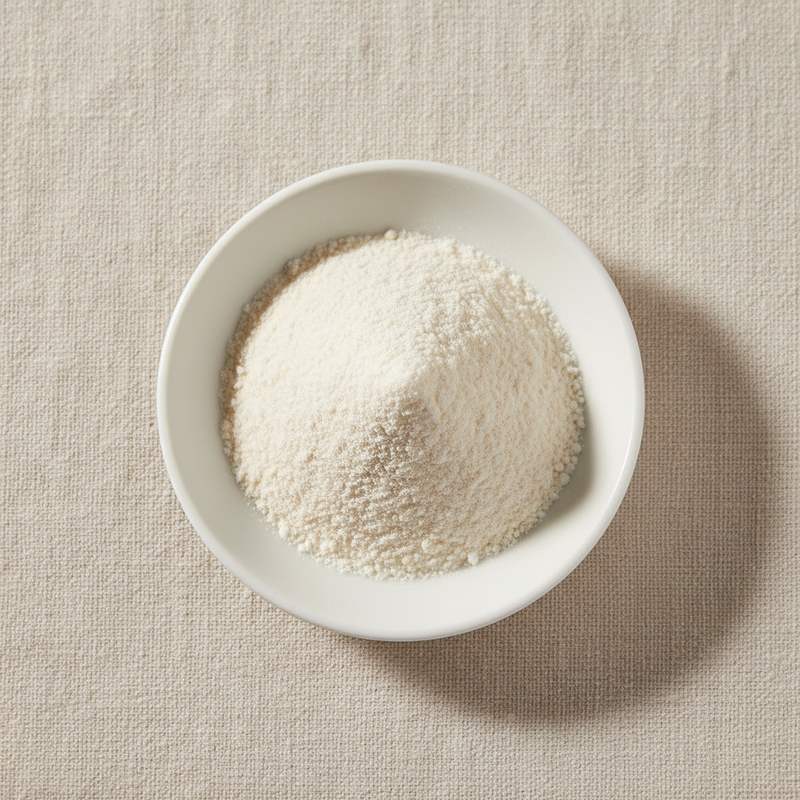
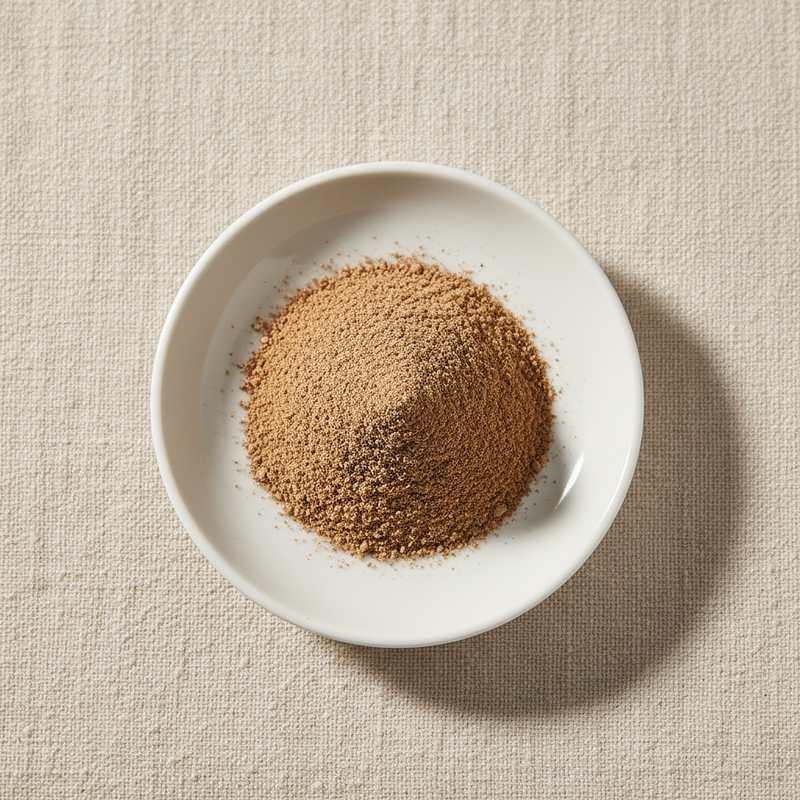
Off-white to light cream powder. Low water solubility; dispersible with shear for use in beverage, capsule, and tablet formats.
We supply food-grade Yeast Beta-Glucan from manufacturers in China holding ISO, HACCP, Halal, Kosher, and Non-GMO Project certifications relevant to the product and production. Grades produced from primary-grown yeast and from spent brewer's yeast are both available.
Common market grades include 70 percent beta-glucan (standard supplement grade), 80 percent (premium grade), and 85 percent or higher (clinical and pharmaceutical use). Particle-size specifications run from 80 to 300 mesh; micronized grades support beverage suspension.
Bulk and reduced-MOQ shipments. Batch-level COA covering beta-glucan content, mannan and protein impurity, heavy metals, residual solvents, and microbiology.
Introduction
Yeast Beta-Glucan is extracted from the inner cell wall of Saccharomyces cerevisiae, separated from outer mannoprotein and inner chitin layers through controlled alkaline-acid digestion and washing. The resulting polymer is a (1,3)-beta-D-glucan backbone with (1,6)-linked side chains, structurally distinct from the linear (1,3)(1,4) beta-glucan of oat and barley.
Source material is either primary-grown S. cerevisiae produced specifically for cell-wall fractionation, or spent brewer's yeast from the brewing industry. Primary-grown grades deliver more consistent specification and color; brewer's-derived grades are more cost-effective and carry a co-product sustainability narrative.
Regulatory status varies by jurisdiction. The U.S. FDA recognizes yeast beta-glucan as Generally Recognized as Safe via Self-Affirmation in dietary supplements and several food categories. EFSA has not issued an authorized health claim for immune function, which is why finished products in the EU rely on structure-function language rather than disease-risk claims. China's NHC recognizes yeast beta-glucan as a new food raw material.
Strategic positioning in supplement formulation is built on the dectin-1 immune-receptor mechanism and a 50-year research literature on innate-immune modulation. Against oat and barley beta-glucan, the yeast form does not deliver the viscosity-driven cholesterol or glycemic benefits but occupies an essentially separate immune-health category, often co-formulated with vitamins C and D, zinc, and elderberry in modern immune-stack products.
Where it is used
- Immune-support dietary supplements in capsule, tablet, and powder formats
- Functional beverages and shots positioned for immunity
- Sports and recovery nutrition
- Infant and pediatric supplements (where regulatory status permits)
- Animal nutrition and aquaculture feed for immune and gut health
- Cosmetics and topical formulations for skin barrier and anti-aging claims
- Functional dairy and yogurt
- Pharmaceutical adjuvant and excipient applications
Technical data
| Item | Specification |
|---|---|
| Appearance | Off-white to light cream powder |
| Source | Saccharomyces cerevisiae cell wall |
| Beta-glucan content (AOAC or HPLC) | ≥ 70.0% (standard), ≥ 85.0% (premium) |
| Mannan | ≤ 8.0% |
| Protein residue | ≤ 5.0% |
| Moisture | ≤ 7.0% |
| Ash | ≤ 5.0% |
| Particle size | 80 to 300 mesh; per customer specification |
| Heavy metals (as Pb) | ≤ 2 mg/kg |
| Arsenic | ≤ 1 mg/kg |
| Residual solvents | Meets ICH Q3C limits |
| Total plate count | ≤ 1,000 CFU/g |
| Yeast and mold | ≤ 100 CFU/g |
| E. coli and Salmonella | Negative |
Related ingredients
Ready to discuss business?
Send us your spec and requirement. We will respond with availability and pricing within 24 hours.