Description
A soluble dietary fiber derived from the dried exudate of the Acacia senegal and Acacia seyal trees. Provides 85 to 90 percent total dietary fiber on a dry basis with exceptional digestive tolerance.
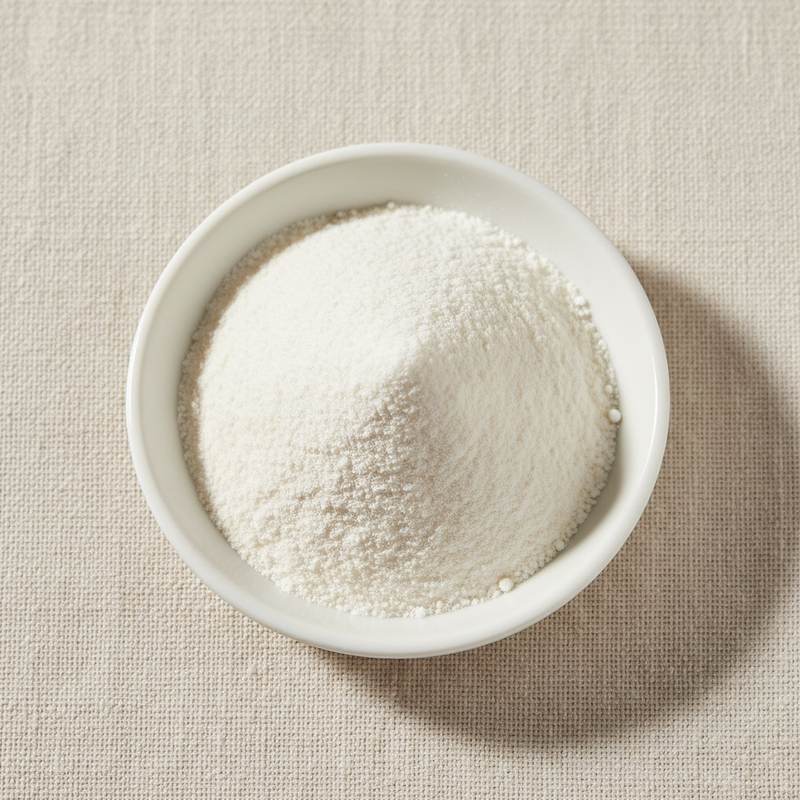
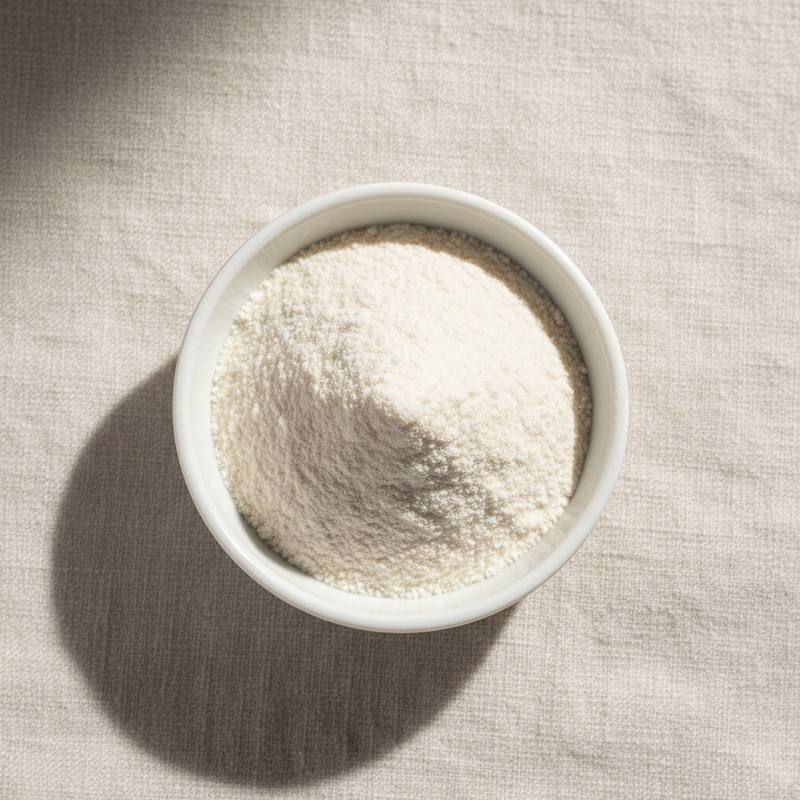
Cream to pale tan free-flowing powder. Mild taste, neutral aroma, fully water-soluble. Low viscosity in solution, which allows high-dose fiber fortification without affecting beverage mouthfeel.
We supply food-grade Acacia Fiber from manufacturers in China and supply partners with cross-border sourcing from Sudan, Chad, and Nigeria, holding ISO, Halal, Kosher and other certifications relevant to the product and production.
Common market grades include standard food-grade powder 80 to 100 mesh, instant-soluble agglomerated grades, and organic-certified grades from sustainable harvest programs.
Bulk and reduced-MOQ shipments. Batch-level COA covering total fiber content, moisture, ash, heavy metals, and microbiology.
Introduction
Acacia gum, also known as gum arabic, has been used as a food ingredient since ancient Egypt and as a soluble fiber since the 1980s. The polymer is a complex arabinogalactan-protein with branched arabinose and galactose chains bound to a hydroxyproline-rich protein core.
Industrial classification of acacia gum as dietary fiber follows from its resistance to digestion in the small intestine and complete fermentation in the colon. Fermentation yields short-chain fatty acids, predominantly butyrate, with documented prebiotic effects favoring Bifidobacterium and Lactobacillus species.
The compound's defining technical advantage in fiber applications is its low solution viscosity, which contrasts sharply with viscous fibers like beta-glucan or inulin and allows high-dose fortification of beverages at levels above 10 grams per serving without affecting drinking experience.
Gastrointestinal tolerance is excellent, with clinical studies showing no significant flatulence or bloating at doses up to 30 grams daily, considerably higher than the tolerated dose of inulin or FOS.
Where it is used
- Fiber fortification of functional beverages, juice drinks, and water enhancers
- Prebiotic supplements positioned for digestive comfort and microbiome support
- Powdered drink mixes and meal-replacement shakes
- Yogurt and dairy fortification
- Sugar-reduction in baked goods, where acacia fiber replaces sugar bulk
- Functional gummies, bars, and chewable supplements
- Sports nutrition and recovery products
- Infant nutrition in approved markets
Technical data
| Item | Specification |
|---|---|
| Appearance | Cream to pale tan powder |
| Total dietary fiber (AOAC 985.29) | ≥ 85.0% |
| Moisture | ≤ 10.0% |
| Ash | ≤ 4.0% |
| Protein | ≤ 3.0% |
| Heavy metals (as Pb) | ≤ 2 mg/kg |
| Arsenic | ≤ 1 mg/kg |
| Total plate count | ≤ 5000 cfu/g |
| E. coli, Salmonella | Negative |
Related ingredients
Ready to discuss business?
Send us your spec and requirement. We will respond with availability and pricing within 24 hours.