Description
An insoluble dietary fiber produced from bamboo culms, primarily cellulose with hemicellulose and lignin in defined ratios. Used as a structural and bulking fiber in baked goods, meat products, and clean-label fiber fortification.
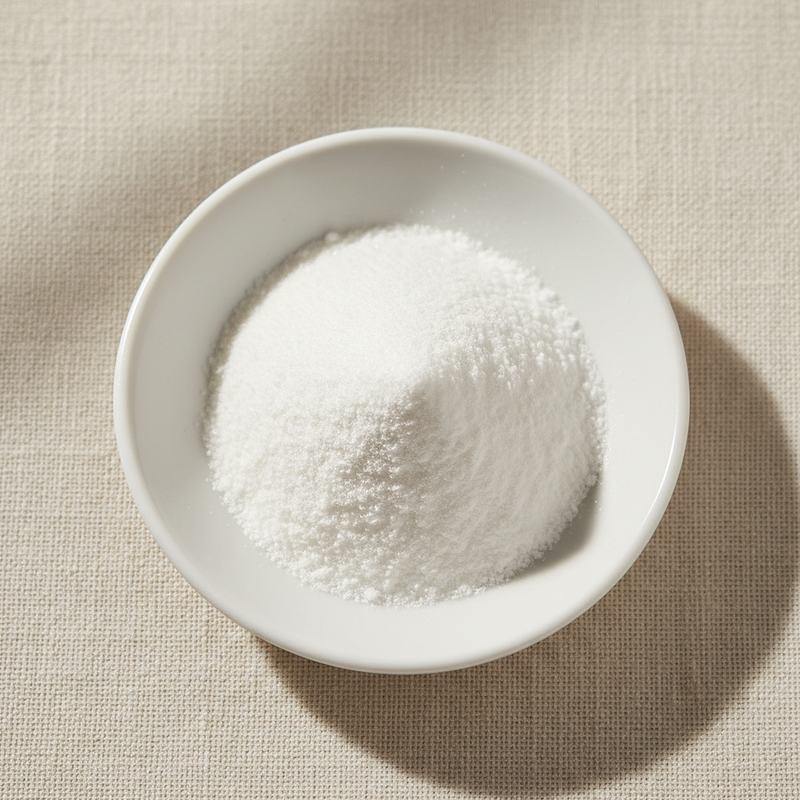
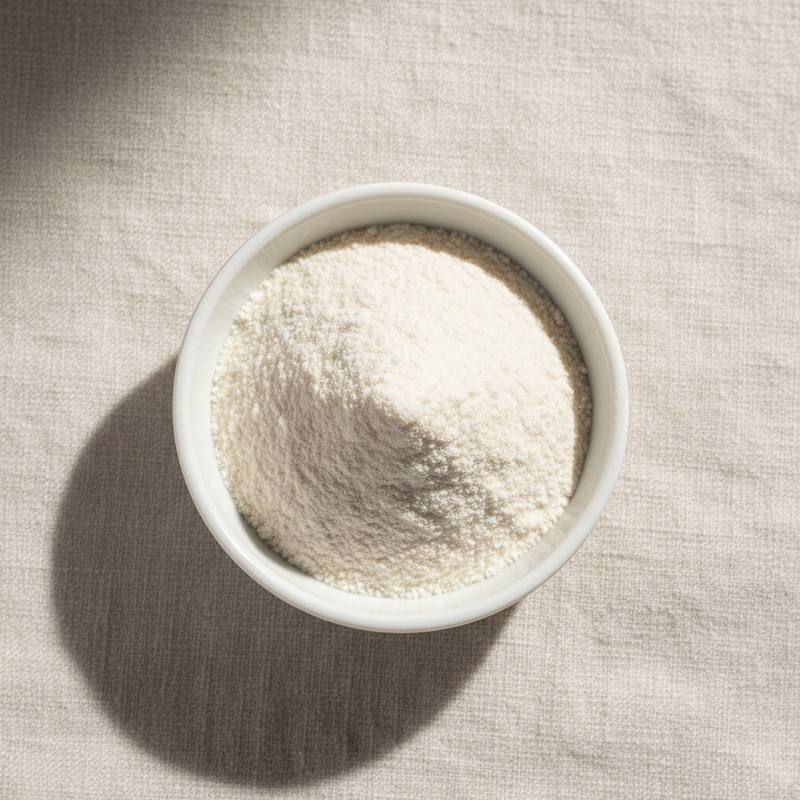
White to off-white free-flowing fibrous powder. Neutral taste and aroma. High water-holding capacity at 6 to 10 grams water per gram fiber, with excellent stability through baking, cooking, and retort processing.
We supply food-grade Bamboo Fiber from manufacturers in China holding ISO, Halal, Kosher and other certifications relevant to the product and production. China is the dominant global producer due to abundant moso bamboo (Phyllostachys edulis) supply.
Common market grades include standard 90 to 200 micron, fine 40 micron, and extra-fine 20 micron for confectionery and dairy. Total dietary fiber content is 95 to 99 percent on a dry basis.
Bulk and reduced-MOQ shipments. Batch-level COA covering total fiber content, particle size, moisture, heavy metals, and microbiology.
Introduction
Bamboo fiber is produced by mechanical and enzymatic processing of bamboo culms, yielding a purified cellulosic fiber suitable for food use. China's vast bamboo plantations, primarily moso bamboo in the southeast, support the industrial scale of production.
The fiber is positioned as a clean-label alternative to other insoluble fibers such as oat fiber or cellulose. Bamboo's natural origin and sustainable rapid-growth profile (bamboo regenerates in 3 to 5 years versus decades for hardwood) supports the marketing position.
Functionally, bamboo fiber excels in water-holding applications: in sausage and meat applications it can replace fat at 3 to 5 percent inclusion while improving yield and reducing cooking loss. In bakery, it supports moisture retention and shelf life.
The principal handling consideration is dust generation during dry mixing of fine grades; appropriate enclosed handling and dust-control equipment is recommended for large-volume use.
Where it is used
- Clean-label fiber fortification of bread, buns, tortillas, and bakery products
- Sausages, meat patties, and processed meats; binds water and improves yield
- Reduced-fat dairy products including yogurt, cream cheese, and ice cream
- Gluten-free baking; provides structure and water retention
- Sauces, dressings, and condiments as a clean-label texturizer
- Pet food fortification
- Plant-based meat alternatives
- Functional bars and snacks targeting high-fiber claims
Technical data
| Item | Specification |
|---|---|
| Appearance | White to off-white fibrous powder |
| Total dietary fiber (AOAC) | ≥ 95.0% |
| Moisture | ≤ 8.0% |
| Ash | ≤ 2.0% |
| Water-holding capacity | 6 to 10 g water/g fiber |
| Heavy metals (as Pb) | ≤ 2 mg/kg |
| Arsenic | ≤ 1 mg/kg |
| Total plate count | ≤ 1000 cfu/g |
| Particle size | 90 micron standard, or 40, 20 micron per grade |
Related ingredients
Ready to discuss business?
Send us your spec and requirement. We will respond with availability and pricing within 24 hours.