Description
The sodium salt of butyric acid, a short-chain fatty acid that serves as the primary energy substrate for enterocytes lining the small and large intestine of monogastric animals.
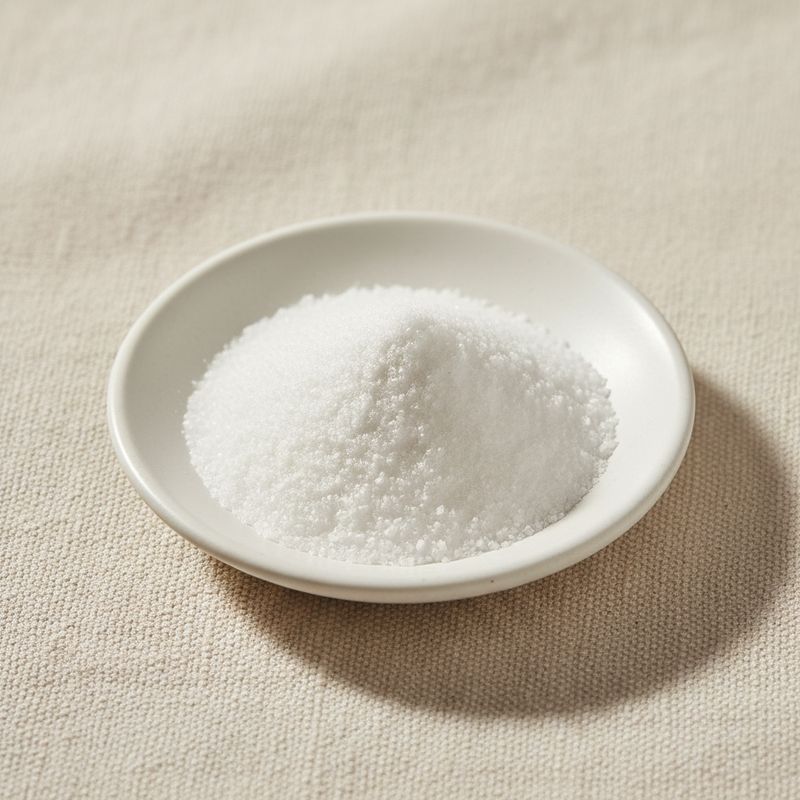
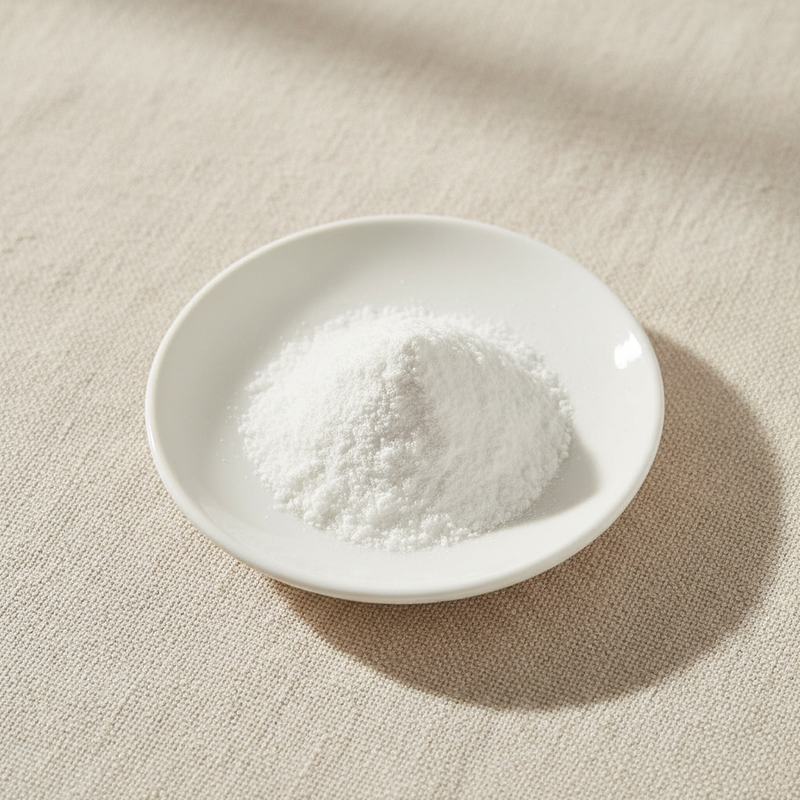
White to off-white powder or granules with a characteristic butyric odor. Coated forms reduce odor and protect the active through the upper digestive tract for targeted release in the small and large intestine.
We supply feed-grade Sodium Butyrate from manufacturers in China holding ISO, FAMI-QS, and other certifications relevant to the product and production.
Common market grades include uncoated 98 percent powder, fat-coated 30 percent and 50 percent granules, ethyl-cellulose-coated 70 percent for hindgut targeting, and microencapsulated forms for premix stability.
Bulk and reduced-MOQ shipments. Batch-level COA covering assay, moisture, heavy metals, and microbiology.
Introduction
Butyrate is produced naturally in the hindgut of all mammals through microbial fermentation of dietary fiber, and serves as the preferred energy source of colonocytes. The supplemented sodium salt delivers butyrate to animals whose diets contain insufficient fermentable fiber, particularly young pigs and poultry.
Mechanisms of action include direct energy supply to gut epithelial cells, stimulation of villus height and crypt depth, modulation of tight junction proteins, antimicrobial activity against acid-sensitive pathogens such as Salmonella and E. coli, and signaling effects on enteroendocrine cells.
Coated and encapsulated forms address the principal handling challenge with uncoated Sodium Butyrate, which is the strong odor and the tendency to be absorbed in the upper gastrointestinal tract before reaching the lower intestine. Fat coating, ethyl cellulose coating, and microencapsulation each shift the release profile to deeper intestinal segments.
Sodium Butyrate is one of the most widely adopted antibiotic-alternative feed additives globally and is approved for use in feed in the EU, the US, China, Brazil, and most other major livestock markets.
Where it is used
- Piglet starter and weaner feeds to reduce post-weaning diarrhea and support villus development
- Broiler and layer poultry feeds to improve feed conversion ratio and intestinal integrity
- Sow lactation diets to improve milk quality and piglet birth weight
- Calf milk replacers and starter feeds for rumen and intestinal development
- Aquaculture feeds for shrimp and fish to support hepatopancreas and gut health
- Companion animal diets for gastrointestinal sensitivity
- Replacement for antibiotic growth promoters in regions with AGP restrictions
- Functional premix component in gut health combination products
Technical data
| Item | Specification |
|---|---|
| Appearance | White to off-white powder or granules |
| Assay (as sodium butyrate) | ≥ 98.0% (uncoated); 30%, 50%, 70% (coated grades) |
| Loss on drying | ≤ 2.0% |
| pH (10% solution) | 7.5 to 9.5 |
| Heavy metals (as Pb) | ≤ 10 mg/kg |
| Arsenic | ≤ 2 mg/kg |
| Salmonella | Absent in 25 g |
| Particle size | Per customer specification |
Related ingredients
Ready to discuss business?
Send us your spec and requirement. We will respond with availability and pricing within 24 hours.