Description
Phospholipase is a group of enzymes (Phospholipase A1, A2, C and D) that hydrolyse specific ester bonds in phospholipids, releasing fatty acids, lysophospholipids and other reaction products. The enzymes are used in oil degumming, lecithin modification and bakery dough conditioning.
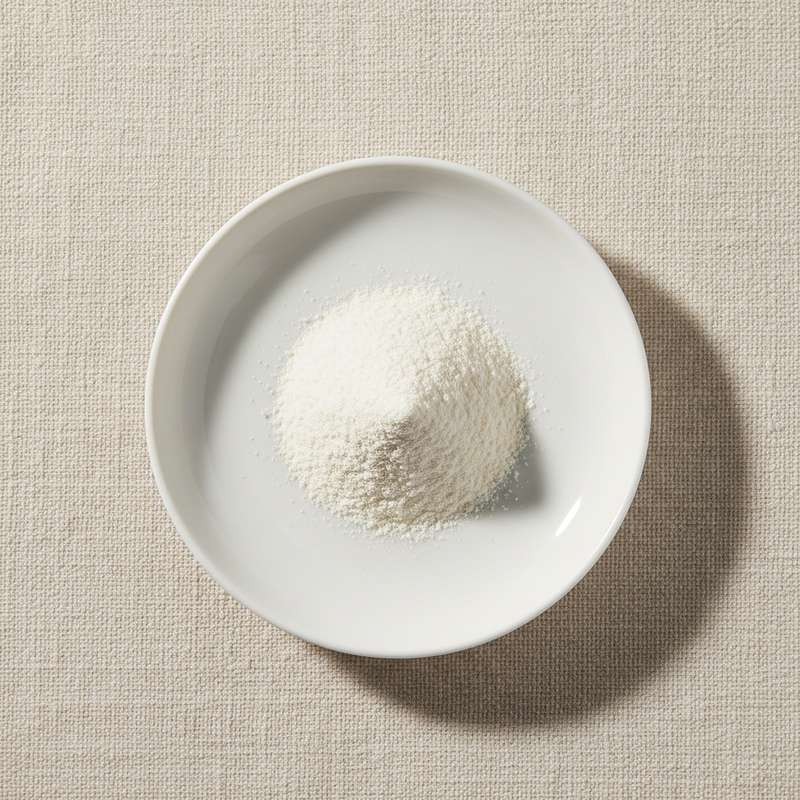
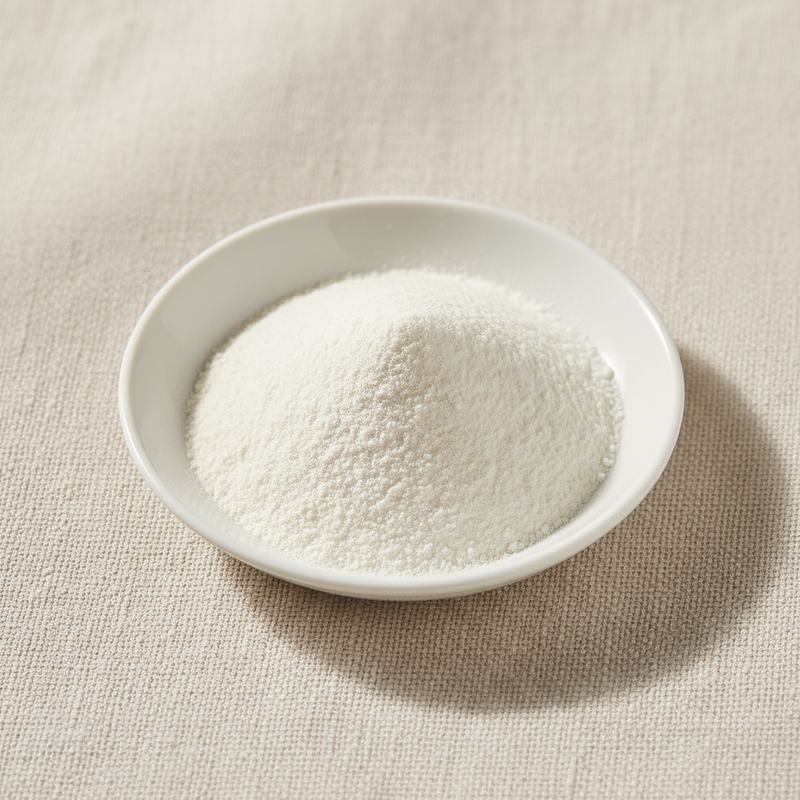
Off-white to light tan free-flowing powder, or amber liquid for in-line dosing. Activity is standardised in Phospholipase Units (PLU) defined against phosphatidylcholine or against application-specific substrates.
We supply food-grade Phospholipase from manufacturers in China holding ISO 22000, Halal, Kosher and other certifications relevant to the product and production. Aspergillus niger, Streptomyces violaceoruber and pancreatic-source preparations are available depending on application.
Common market grades include 5,000 PLU/g Phospholipase A1 for bakery dough conditioning, 10,000 PLU/g Phospholipase A2 for oil degumming and enzymatic lecithin modification, 30,000 PLU/g concentrated for industrial vegetable oil refining, and 50,000 PLU/g specialty grades for structured phospholipid synthesis.
Bulk and reduced-MOQ shipments. Batch-level COA covering activity, pH optimum, temperature optimum, regio-specificity, heavy metals and microbiology.
Introduction
Phospholipase reached commercial scale in industrial food processing during the 2000s as enzymatic oil degumming displaced traditional water and acid degumming in modern vegetable oil refineries, driven by tighter yield economics and lower wastewater loading.
Industrial production is by submerged fermentation of selected microbial strains, with downstream concentration and formulation. Animal-pancreas-derived Phospholipase A2 was the original commercial source, but microbial production from Aspergillus niger and engineered Streptomyces strains has progressively displaced it for cost, traceability and Halal/Kosher reasons.
The enzyme is Generally Recognized as Safe by the U.S. FDA from approved source organisms, listed in the JECFA enzyme compendium, and approved as a processing aid in the EU. No Acceptable Daily Intake is assigned.
Mechanistically, the four phospholipase families act at different positions on the phospholipid molecule. Phospholipase A1 hydrolyses the sn-1 fatty acid ester; Phospholipase A2 hydrolyses the sn-2 fatty acid ester; Phospholipase C hydrolyses the phosphate-glycerol bond; Phospholipase D hydrolyses the phosphate-base bond. Each regio-specificity supports different industrial applications.
Strategic positioning has shifted from a niche specialty enzyme to a foundational processing aid in modern edible-oil refining: enzymatic degumming has become standard practice in new and retrofitted soybean, canola and sunflower oil plants worldwide, and the same enzyme platform supports the rapidly growing structured-phospholipid nutraceutical segment.
Where it is used
- Vegetable oil enzymatic degumming; soy, canola, sunflower and rice bran oil; reduces water-and-oil losses versus traditional water degumming
- Lecithin enzymatic modification to lysolecithin; enhanced O/W emulsification, heat stability and dispersibility
- Bread and bakery dough conditioning; releases in-situ lyso-phospholipid emulsifiers
- Egg-yolk modification for mayonnaise and salad-dressing stability; resistance to acid- and heat-induced breakdown
- Cheese-yield improvement; releases free fatty acids and improves curd structure
- Margarine and shortening manufacture; phospholipid functionalisation for emulsion stability
- Industrial recovery of phosphatidic acid for surfactant manufacture
- Structured phospholipid synthesis for nutraceutical and pharmaceutical use
Technical data
| Item | Specification |
|---|---|
| Appearance | Off-white to light tan powder or amber liquid |
| Activity | 5,000 to 50,000 PLU/g or per customer specification |
| pH optimum | 4.5 to 6.0 (varies by phospholipase type) |
| Temperature optimum | 40 °C to 60 °C |
| Moisture (powder) | ≤ 8.0% |
| Heavy metals (as Pb) | ≤ 10 mg/kg |
| Arsenic | ≤ 3 mg/kg |
| Total plate count | ≤ 50,000 CFU/g |
| Coliforms | ≤ 30 CFU/g |
| Salmonella | Absent in 25 g |
| E. coli | Absent in 25 g |
| Source organism | Aspergillus niger, Streptomyces violaceoruber or pancreatic origin |
Related ingredients
Ready to discuss business?
Send us your spec and requirement. We will respond with availability and pricing within 24 hours.