Description
Phospholipase A2 (PLA2) hydrolyses the sn-2 ester bond of phospholipids, releasing a free fatty acid and a lysophospholipid. In food processing it is the classical egg-yolk lysolecithin enzyme and a degumming enzyme in selected vegetable oil refining lines.
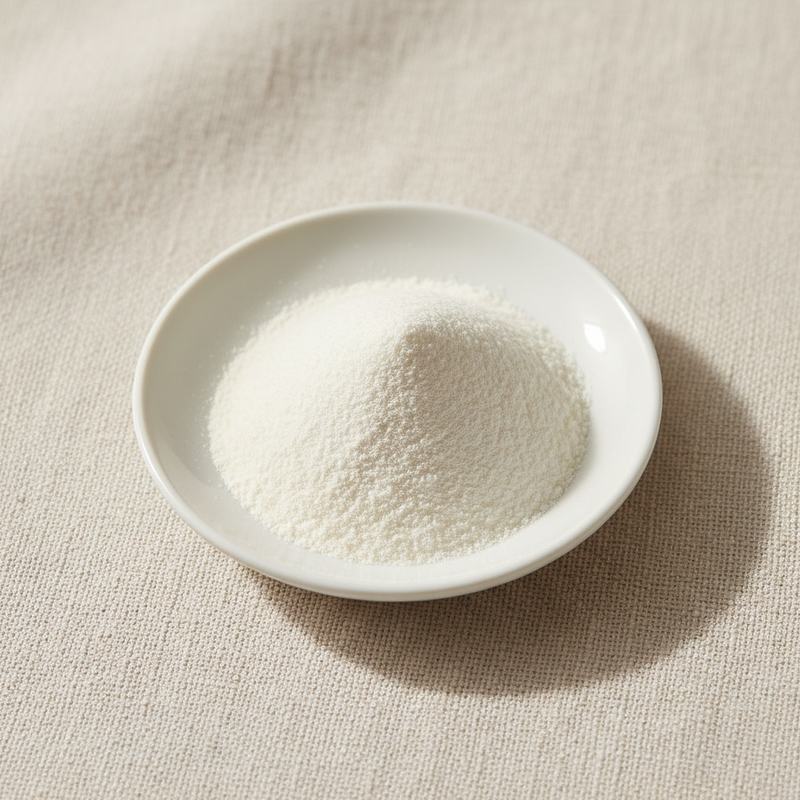
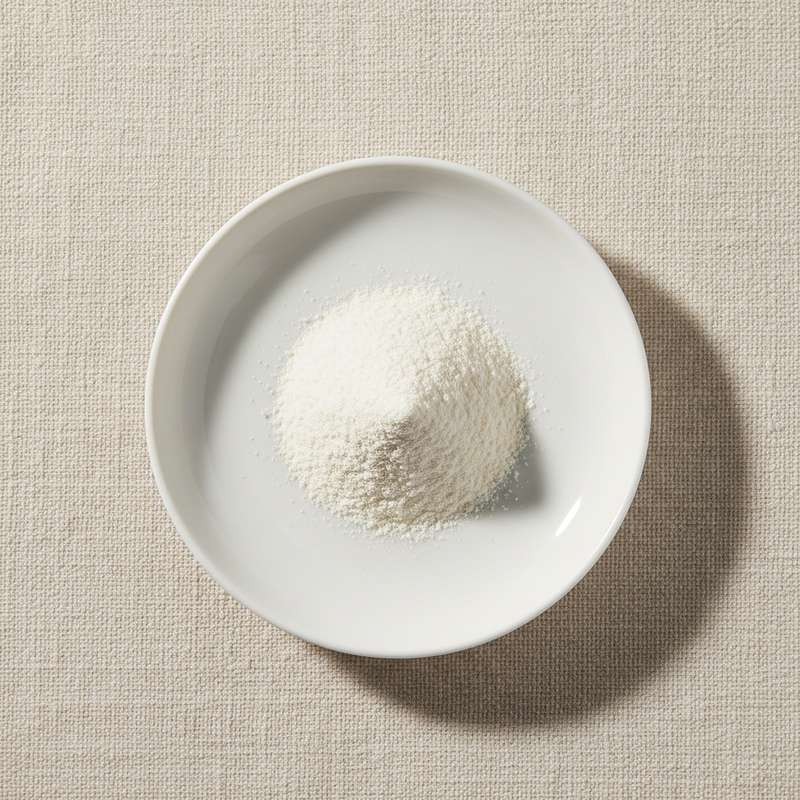
Off-white to light tan free-flowing powder, or amber liquid. Activity is standardised in Phospholipase Units (PLU) per supplier convention.
We supply food-grade Phospholipase A2 from manufacturers in China holding ISO 22000, Halal, Kosher and other certifications relevant to the product and production. Pancreatic-derived and microbially-produced (Streptomyces violaceoruber, engineered Aspergillus) grades are available.
Common market grades include 5,000 PLU/g standard egg-yolk processing grade, 10,000 to 25,000 PLU/g concentrated for lysolecithin production, 50,000 PLU/g high-activity grade, and bakery-grade formulations for dough conditioning.
Bulk and reduced-MOQ shipments. Batch-level COA covering activity, pH optimum, temperature optimum, side activities, heavy metals and microbiology.
Introduction
Phospholipase A2 is the longest-commercialised phospholipase in food processing, used since the 1980s in egg-yolk lysolecithin manufacture. Pancreatic PLA2 from porcine and bovine sources was the original commercial preparation, and microbial alternatives reached scale in the 2000s to address Halal, Kosher and vegetarian positioning requirements.
Industrial production runs through two parallel routes: extraction from porcine and bovine pancreas, principally as a co-product of insulin and pancreatin manufacture, and submerged fermentation of Streptomyces and engineered Aspergillus strains. The microbial route is increasingly dominant for new applications.
The enzyme is approved as a processing aid in the U.S. and EU from approved source organisms, listed in the JECFA enzyme compendium, and supported by long-standing safety documentation.
Mechanistically, PLA2 cleaves the sn-2 fatty acid ester bond of phospholipids, leaving the sn-1 position intact. The resulting 2-lyso-phospholipids have hydrophile-lipophile balance values markedly higher than the parent phospholipids, making them superior food emulsifiers particularly for oil-in-water systems and for retort-stable products where conventional egg-yolk lecithin breaks down.
Strategic positioning is mature in the food-emulsifier segment and growing in oil-degumming and bakery applications. The PLA1 versus PLA2 choice for degumming depends on substrate phospholipid profile, with PLA2 favoured in some sunflower and corn oil refining contexts.
Where it is used
- Egg-yolk processing; produces lysolecithin emulsifier with improved heat tolerance and emulsion stability
- Mayonnaise and dressing manufacture from modified yolk; supports retort-stable and high-temperature products
- Enzymatic degumming of crude vegetable oils; lowers phosphorus content in refined oil
- Bread and pastry dough conditioning; replaces or supplements emulsifier addition
- Industrial lecithin modification; produces lysolecithin for improved water-dispersibility
- Coffee whitener and instant-beverage emulsifier manufacture
- Ice cream and frozen-dessert emulsion stabilisation
- Margarine and spread manufacture; supports water-in-oil emulsion stability
- Infant formula manufacture; emulsifier modification for improved fat delivery
Technical data
| Item | Specification |
|---|---|
| Appearance | Off-white to light tan powder or amber liquid |
| Activity | 5,000 to 50,000 PLU/g or per customer specification |
| pH optimum | 7.0 to 9.0 |
| Temperature optimum | 40 °C to 55 °C |
| Moisture (powder) | ≤ 8.0% |
| Heavy metals (as Pb) | ≤ 10 mg/kg |
| Arsenic | ≤ 3 mg/kg |
| Total plate count | ≤ 50,000 CFU/g |
| Coliforms | ≤ 30 CFU/g |
| Salmonella | Absent in 25 g |
| E. coli | Absent in 25 g |
| Source organism | Porcine pancreas, Streptomyces violaceoruber or Aspergillus oryzae |
Related ingredients
Ready to discuss business?
Send us your spec and requirement. We will respond with availability and pricing within 24 hours.