Description
Glucose Oxidase is an oxidoreductase that catalyses the oxidation of beta-D-glucose by molecular oxygen, producing D-glucono-1,5-lactone (which spontaneously hydrolyses to gluconic acid) and hydrogen peroxide. It is the foundation of oxygen scavenging, glucose removal and biosensor applications in food.
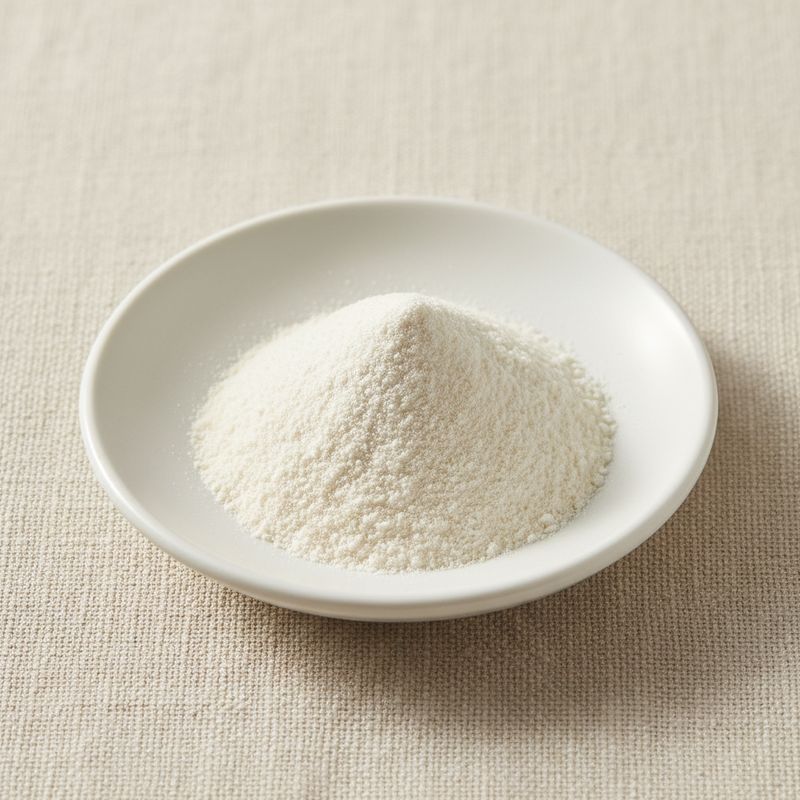
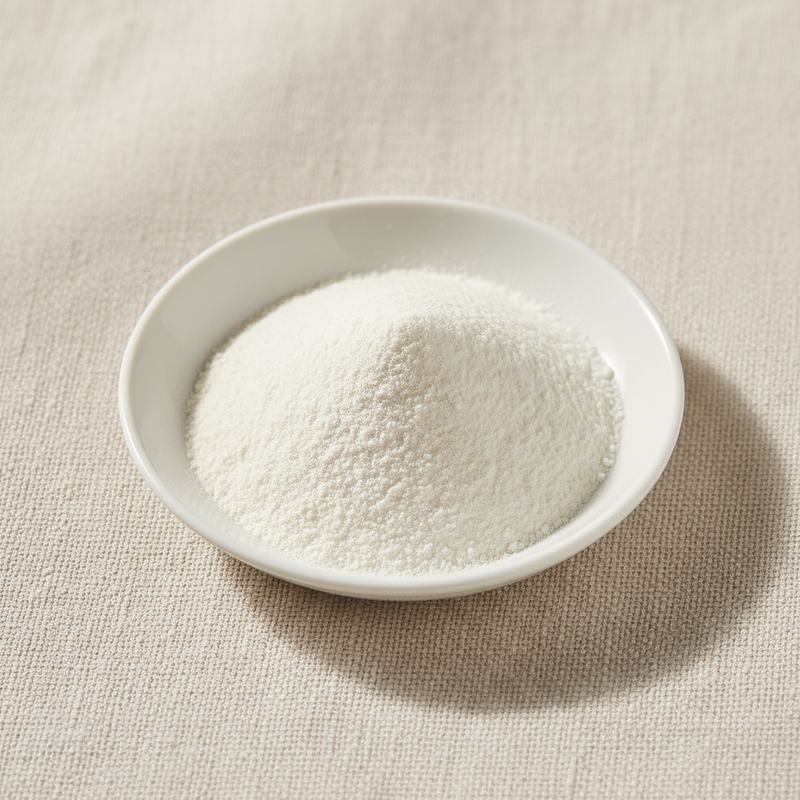
Off-white to light yellow free-flowing powder, or amber liquid for in-line dosing. Activity is standardised in Sigma units or supplier-specific Glucose Oxidase Units defined against a beta-D-glucose substrate at pH 5.1 and 35 degrees Celsius.
We supply food-grade Glucose Oxidase from manufacturers in China holding ISO 22000, Halal, Kosher and other certifications relevant to the product and production. Aspergillus niger and Penicillium chrysogenum are the dominant source organisms, with engineered Aspergillus strains predominating in modern industrial supply.
Common market grades include 10,000 U/g standard food grade for bakery dough strengthening, 50,000 U/g concentrated for in-line beverage dosing, 100,000 U/g high-purity grades for egg-white processing and analytical biosensor manufacture, and combined glucose oxidase plus catalase preparations for hydrogen peroxide neutralisation in single-step systems.
Bulk and reduced-MOQ shipments. Batch-level COA covering activity, pH optimum, temperature optimum, catalase side activity (declared), heavy metals and microbiology.
Introduction
Glucose Oxidase was first characterised in Aspergillus niger by Detlev Muller in 1928. Industrial-scale production reached commercial maturity in the 1960s, initially driven by the food-preservation and clinical-diagnostic markets, and expanded in the 1990s as bakery dough conditioning emerged as a major application following regulatory pressure on chemical oxidants.
Industrial production is by submerged fermentation of selected Aspergillus niger strains, with downstream filtration, concentration and formulation. Modern preparations are characterised by very low catalase side activity (or, in combined products, by deliberate catalase co-formulation), which determines whether the hydrogen peroxide product is retained or immediately decomposed to water and oxygen.
The enzyme is Generally Recognized as Safe by the U.S. FDA from approved Aspergillus niger strains, listed in the JECFA enzyme compendium, and approved as a processing aid in the EU. No Acceptable Daily Intake is assigned.
Mechanistically, glucose oxidase is a flavin adenine dinucleotide-dependent oxidoreductase that strips two electrons from beta-D-glucose and transfers them to molecular oxygen, generating hydrogen peroxide. The high specificity for beta-D-glucose over other sugars is the basis of clinical glucose biosensors and underpins selective applications in complex food matrices.
Strategic positioning is broad and growing: regulatory restriction of chemical oxidants in bakery and the clean-label move in food processing have positioned glucose oxidase as a default replacement, and the same enzyme platform underpins the global glucose biosensor industry built around home blood-glucose monitoring.
Where it is used
- Bakery dough strengthening; an oxidative dough conditioner that replaces or complements potassium bromate and ascorbic acid
- Egg-white desugaring; removes residual glucose before drying to prevent Maillard browning in dried egg-white powder
- Beverage oxygen scavenging; protects wine, juice and beer from oxidative deterioration
- Mayonnaise and salad-dressing shelf life; combined with catalase to prevent oxidative rancidity
- Gluconic acid production by enzymatic oxidation of glucose
- Glucose biosensor manufacture for blood glucose monitors and food analytical devices
- Honey crystallisation control and shelf-life extension
- Antimicrobial systems in dairy and meat products through in-situ hydrogen peroxide generation
- Wine and cider alcohol reduction by selective glucose removal before fermentation
Technical data
| Item | Specification |
|---|---|
| Appearance | Off-white to light yellow powder or amber liquid |
| Activity | 10,000 to 100,000 U/g or per customer specification |
| pH optimum | 5.0 to 6.0 |
| Temperature optimum | 30 °C to 40 °C |
| Moisture (powder) | ≤ 8.0% |
| Heavy metals (as Pb) | ≤ 10 mg/kg |
| Arsenic | ≤ 3 mg/kg |
| Total plate count | ≤ 50,000 CFU/g |
| Coliforms | ≤ 30 CFU/g |
| Salmonella | Absent in 25 g |
| E. coli | Absent in 25 g |
| Source organism | Aspergillus niger or Penicillium chrysogenum |
Related ingredients
Ready to discuss business?
Send us your spec and requirement. We will respond with availability and pricing within 24 hours.