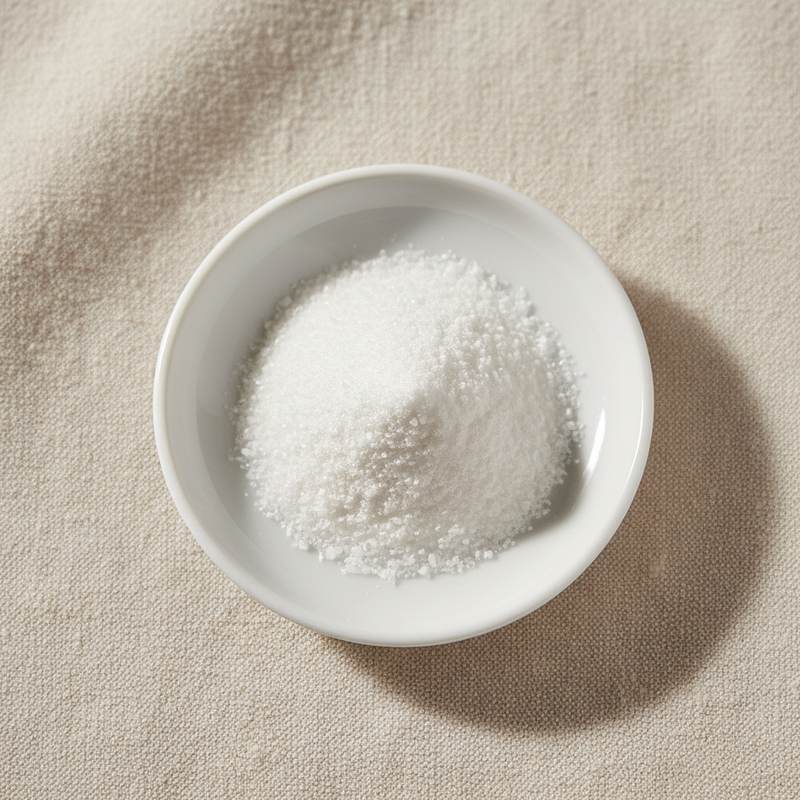
Description
The world's most important food antioxidant and the active form of Vitamin C. Provides multi-functional service in finished products: antioxidant, vitamin fortification, mild acidulant, color preservation, and oxygen scavenger.
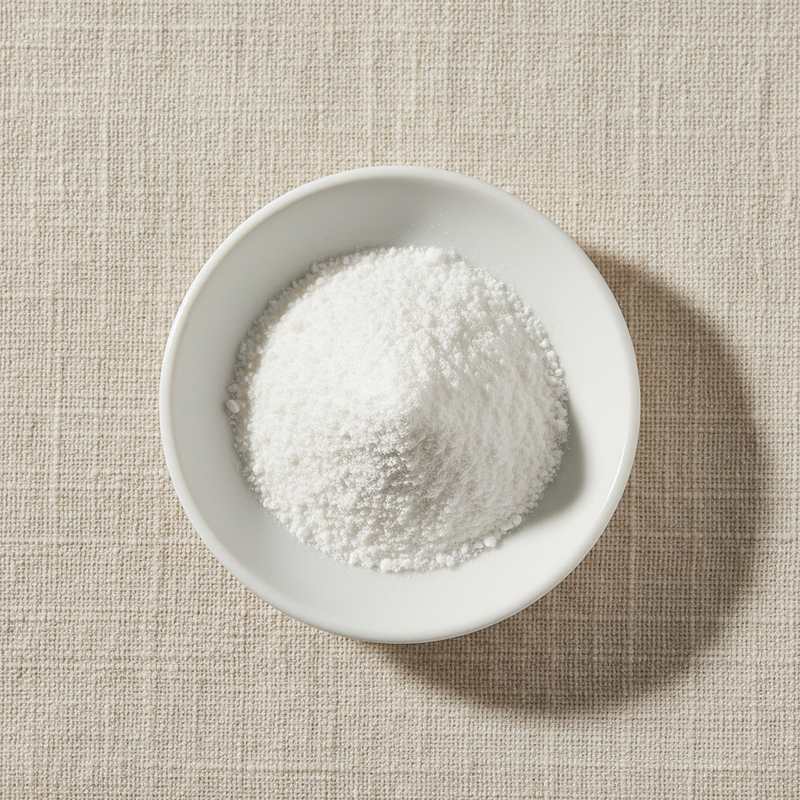
White or almost white crystalline powder. Highly water-soluble. Sensitive to light, heat, and oxidation in solution, requiring careful storage and processing controls.
We supply food-grade and pharmaceutical-grade Ascorbic Acid from manufacturers in China holding ISO, Halal, Kosher and other certifications relevant to the product and production.
Common market grades include Standard Food Grade (FCC compliant), Pharmaceutical Grade meeting BP/USP/EP/JP specifications, Coated Ascorbic Acid for extended shelf life in dry blends, Direct-Compression grade for pharmaceutical tableting, and Fine Mesh grade for spray-drying carrier and beverage applications.
Bulk and reduced-MOQ shipments. Batch-level COA covering assay, specific rotation, residue on ignition, heavy metals, and microbiology.
Introduction
Ascorbic Acid was first isolated as Vitamin C by Albert Szent-Györgyi in 1928 (work that earned him the 1937 Nobel Prize) and chemically characterized in the same period by Walter Norman Haworth.
Industrial production proceeds through the Reichstein process or its modern fermentation-based descendants, starting from D-glucose. The dominant current method is two-step fermentation: D-glucose to 2-keto-L-gulonic acid via two bacterial fermentations, then chemical conversion to L-ascorbic acid. China dominates global production with over 80 percent market share.
Regulated as E300 in the EU, classified as Generally Recognized as Safe by the U.S. FDA, listed in BP, USP, EP, and JP pharmacopoeias, and approved by JECFA without a numerical Acceptable Daily Intake limit. Recommended Dietary Allowance is 75 to 90 mg per day for adults.
The molecule's antioxidant function comes from its ability to donate electrons to oxidizing radicals, becoming oxidized itself to dehydroascorbic acid. This electron donation is irreversible in food matrices, meaning Ascorbic Acid is consumed during oxidation rather than catalytically regenerated.
Strategic role in food manufacturing combines four functions in a single ingredient: vitamin fortification (the most visible role), antioxidant (the most volume-driven role), reducing agent in cured meat color development, and dough conditioner in bread improvers. The multi-functionality and broad regulatory acceptance underpin its dominant position.
Where it is used
- Beverage and juice fortification; the dominant Vitamin C source in this application globally
- Antioxidant in fats, oils, and oil-containing foods including mayonnaise and salad dressings
- Cured meat color-fixing in conjunction with sodium nitrite
- Bakery dough conditioner; strengthens gluten through disulfide-bond reduction
- Pharmaceutical Vitamin C tablets, capsules, syrups, and chewable supplements
- Wine and beer antioxidant and oxygen scavenger
- Frozen and canned fruit applications: prevents browning and color loss
- Functional foods, sports nutrition, and immune-support products
- Pet food fortification and natural antioxidant
- Cosmetic skincare formulations and topical antioxidant applications
Technical data
| Item | Specification |
|---|---|
| Appearance | White or almost white crystalline powder |
| Assay (dry basis) | 99.0% to 100.5% |
| Specific rotation | +20.5° to +21.5° |
| Loss on drying | ≤ 0.4% |
| pH (5% solution) | 2.4 to 2.8 |
| Heavy metals (as Pb) | ≤ 10 mg/kg |
| Arsenic | ≤ 3 mg/kg |
| Residue on ignition | ≤ 0.1% |
| Particle size | Per customer specification |
Related ingredients
Ready to discuss business?
Send us your spec and requirement. We will respond with availability and pricing within 24 hours.