Description
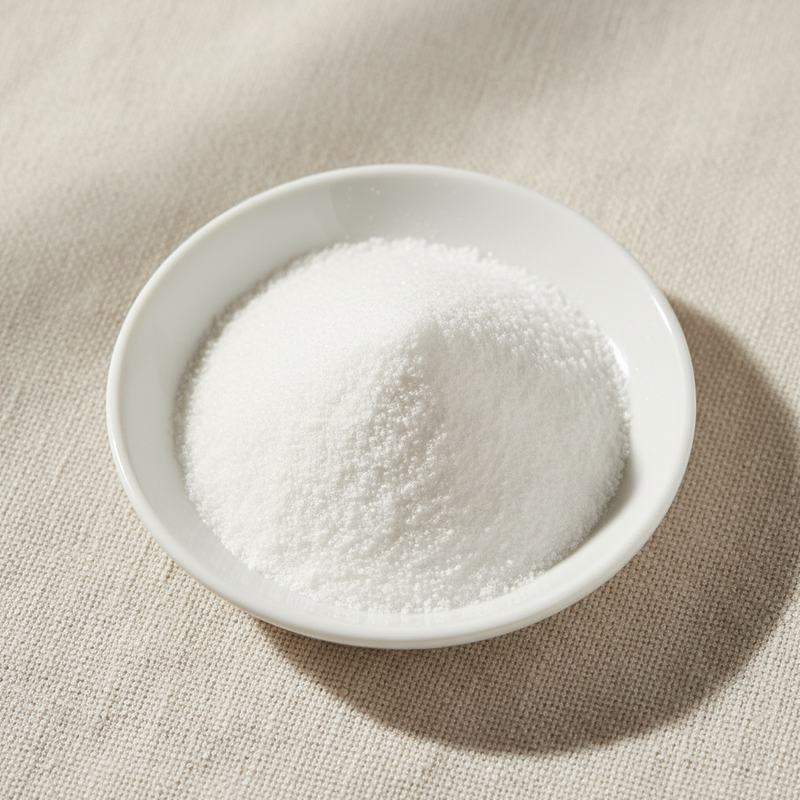
A specialty Maltodextrin engineered to deliver a substantially lower glycemic index than standard Maltodextrin while retaining bulking, carrier, and texture-building functionality. Glycemic index targets 55 or lower compared to 85 to 105 for conventional Maltodextrin.
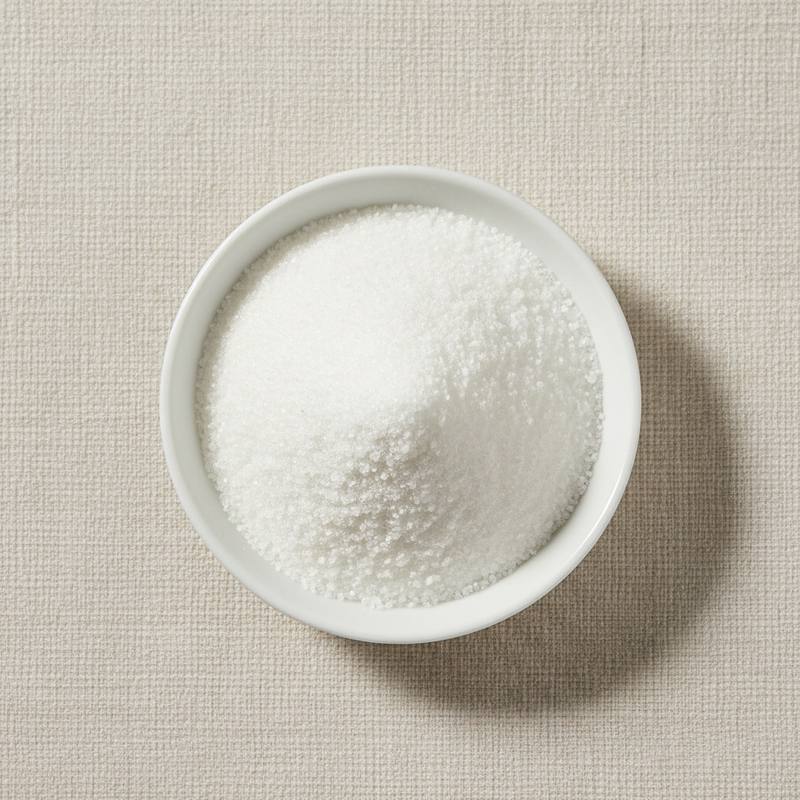
White to off-white fine powder. Very low DE (typically 2 to 5) and a high proportion of slow-digesting alpha-1,4 and alpha-1,6 linked glucose chains.
We supply food-grade Low GI Maltodextrin from manufacturers in China holding ISO, Halal, Kosher and other certifications relevant to the product and production.
Common market grades include DE 2 to 3 (lowest sweetness, dominant for diabetic-positioned products), DE 3 to 5 (slightly higher solubility for beverage applications), and pre-blended Low GI systems with Resistant Maltodextrin or other slow-digesting carbohydrates for layered glycemic control.
Bulk and reduced-MOQ shipments. Batch-level COA covering DE, glycemic index, ash, heavy metals, and microbiology.
Introduction
Low GI Maltodextrin is produced by a controlled enzymatic process that limits hydrolysis to a low DE (2 to 5) and selects for branched, slow-digesting alpha-glucan structures rather than the highly branched, rapidly digesting profile of standard Maltodextrin.
The compound is digested in the small intestine to glucose, but at a substantially slower rate than standard Maltodextrin or pure dextrose. This produces a more gradual postprandial glucose response, lower insulin demand, and sustained-energy delivery characteristics.
Recognized as a permitted food ingredient by the U.S. FDA, the European Food Safety Authority, and equivalent regulators worldwide.
Caloric value is 4 kcal per gram, identical to standard Maltodextrin and other digestible carbohydrates. The differentiator is rate of glucose release rather than total caloric load.
Strategic positioning targets two markets: the diabetic and metabolic-health segment, where reduced postprandial spikes matter clinically; and the endurance-sports nutrition segment, where sustained energy delivery during long-duration activity outperforms rapid carbohydrate availability for performance and recovery outcomes.
Where it is used
- Diabetic and low-glycemic specialty foods, baked goods, and snack bars
- Sports nutrition products marketed for sustained-energy positioning rather than rapid carbohydrate availability
- Meal-replacement shakes and weight-management products
- Functional beverages, drinkable yogurts, and protein-fortified RTDs
- Clinical nutrition formulas including diabetic enteral feeds
- Reduced-glycemic baked goods, cookies, and cereal products
- Dietary supplements and gummies positioned for steady-energy claims
- Pediatric nutrition products requiring controlled carbohydrate release
- Pet food and treats positioned for diabetic and senior animal nutrition
Technical data
| Item | Specification |
|---|---|
| Appearance | White to off-white fine powder |
| Glycaemic index | ≤ 55 |
| Dextrose Equivalent (DE) | 2 to 5 |
| Moisture | ≤ 6.0% |
| pH (10% solution) | 4.5 to 7.0 |
| Ash | ≤ 0.5% |
| Protein | ≤ 0.5% |
| Solubility | ≥ 98% |
| Heavy metals (as Pb) | ≤ 0.5 mg/kg |
| Sulphur dioxide | ≤ 20 mg/kg |
| Total plate count | ≤ 1000 cfu/g |
Related ingredients
Ready to discuss business?
Send us your spec and requirement. We will respond with availability and pricing within 24 hours.