Description
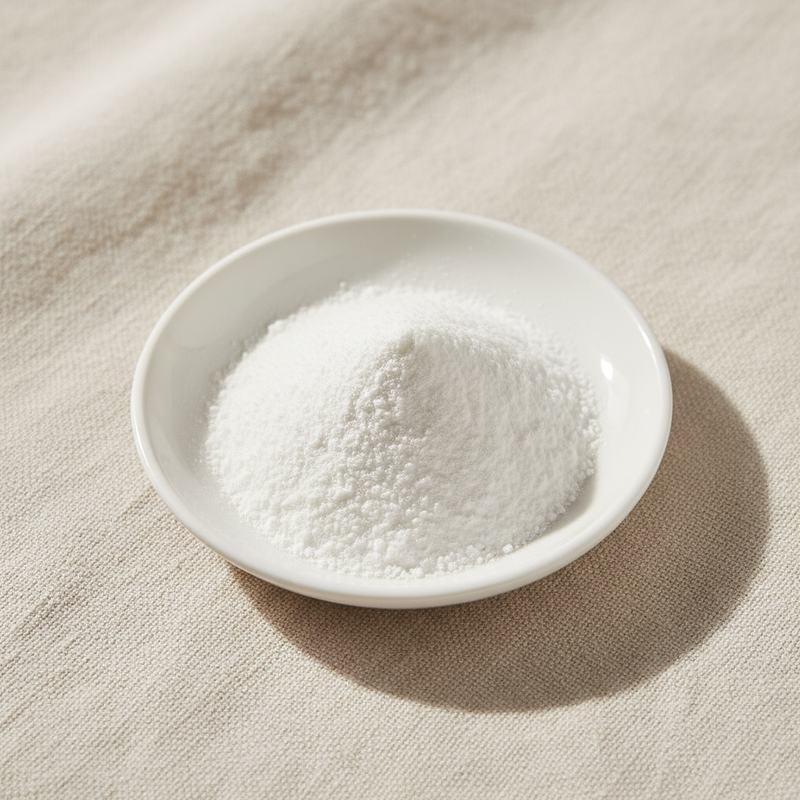
A non-ionic cellulose ether soluble in both cold water and polar organic solvents, used in pharmaceutical solid-dose and topical formulations as a binder, film former, sustained-release matrix former, and thermoplastic excipient for hot-melt extrusion.
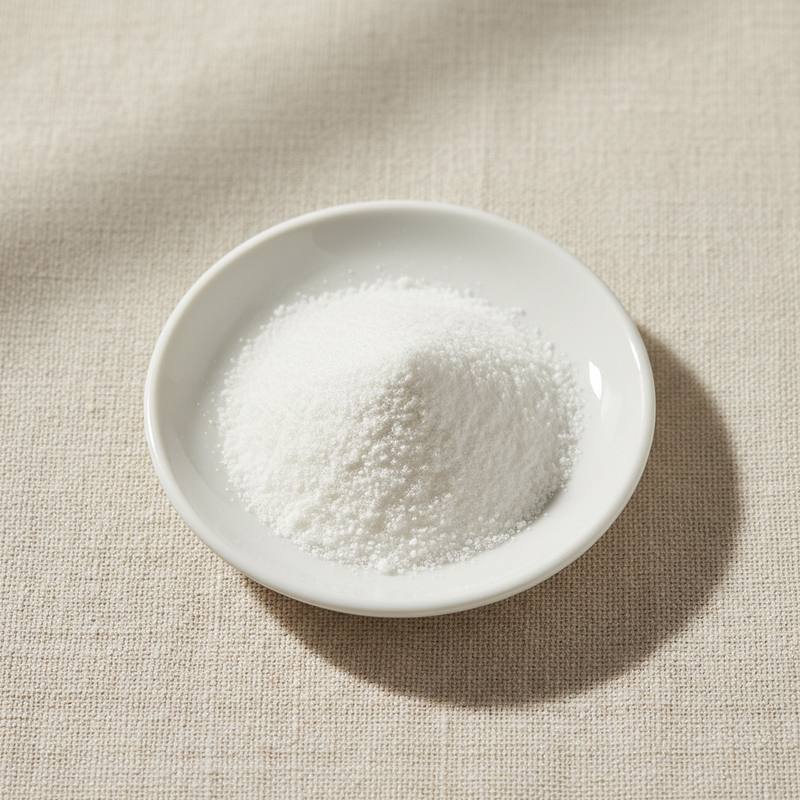
White to off-white free-flowing powder or granules. Soluble in water below approximately 40 degrees Celsius and insoluble above, with solubility extending to ethanol, methanol, propylene glycol, and several chlorinated solvents, which is unique among the major cellulose ethers.
We supply pharmaceutical-grade Hydroxypropyl Cellulose from manufacturers in China holding ISO, GMP, USP/EP/JP DMF, Halal, Kosher, and other certifications relevant to the product and production.
Common market grades are differentiated by viscosity in 2 percent solution and run from low-viscosity LF and EF grades (binders and film formers, 75 to 400 mPa·s), through mid-viscosity JF and GF grades (1,500 to 4,000 mPa·s), to high-viscosity MF and HF grades (4,000 to 10,000 mPa·s, used as sustained-release matrix formers). Specialty fine-particle grades support hot-melt extrusion and direct compression.
Bulk and reduced-MOQ shipments. Batch-level COA covering identification, hydroxypropoxy content, viscosity, loss on drying, residue on ignition, heavy metals, and microbiology against USP, EP, JP, and BP monographs.
Introduction
Hydroxypropyl Cellulose was introduced in the 1960s and entered the pharmacopoeial monographs in the 1970s. It is one of the principal non-ionic cellulose ethers used in modern solid-dose and topical pharmaceutical formulation alongside Methylcellulose, Hypromellose, and Ethylcellulose.
Production proceeds by reaction of alkali cellulose with propylene oxide under pressure, introducing hydroxypropyl substituents at the cellulose hydroxyls. Molar substitution typical of pharmaceutical grade is between 3.4 and 4.4, well above the substitution needed for organic solubility, which gives HPC its characteristic solubility in both water and polar organic solvents.
Listed in USP-NF, EP, JP, and BP monographs and assigned E463 in food. FDA Inactive Ingredient Database listed for oral, topical, and ophthalmic routes.
The dual aqueous-organic solubility supports applications no other cellulose ether covers: solvent-based film coating where ethanolic or methanolic solutions are required, hot-melt extrusion where the polymer must soften thermoplastically below typical API degradation temperatures, and amorphous solid dispersion of poorly soluble APIs where the carrier must dissolve in the same solvent as the API during spray drying.
Strategic position: along with Hypromellose, HPC is one of the dominant cellulose ethers in modern controlled-release and solubility-enhanced solid-dose pharmaceuticals.
Where it is used
- Binder in wet- and dry-granulation tablet processes
- Film former in aqueous and solvent-based tablet coating
- Sustained-release matrix former in extended-release tablets
- Thermoplastic carrier in hot-melt extrusion solid dispersions
- Solubility enhancer for poorly soluble APIs in amorphous solid dispersions
- Viscosity builder in ophthalmic solutions and lubricating eye drops
- Mucoadhesive component in buccal, sublingual, and ocular systems
- Thickener in topical gels and pharmaceutical creams
Technical data
| Item | Specification |
|---|---|
| Appearance | White to off-white free-flowing powder or granules |
| Compliance | USP/NF, EP, JP, BP current edition |
| Identification | Conforms to pharmacopoeial tests |
| Hydroxypropoxy content (dried basis) | 53.4% to 80.5% (molar substitution 3.4 to 4.4) |
| Viscosity (2% solution, 25 °C) | Grade dependent; 75 to 10,000 mPa·s |
| Loss on drying | ≤ 5.0% |
| Residue on ignition | ≤ 0.5% |
| pH (1% solution) | 5.0 to 8.0 |
| Heavy metals (as Pb) | ≤ 10 mg/kg |
| Arsenic | ≤ 2 mg/kg |
| Residual propylene oxide | ≤ 1 mg/kg |
| Residual chlorohydrins | ≤ 1 mg/kg |
| Particle size | Per grade specification |
| Total aerobic count | ≤ 1,000 CFU/g |
| Yeast and mould | ≤ 100 CFU/g |
| E. coli, Salmonella | Absent |
| Source | Purified wood pulp or cotton-linter cellulose |
Related ingredients
Ready to discuss business?
Send us your spec and requirement. We will respond with availability and pricing within 24 hours.