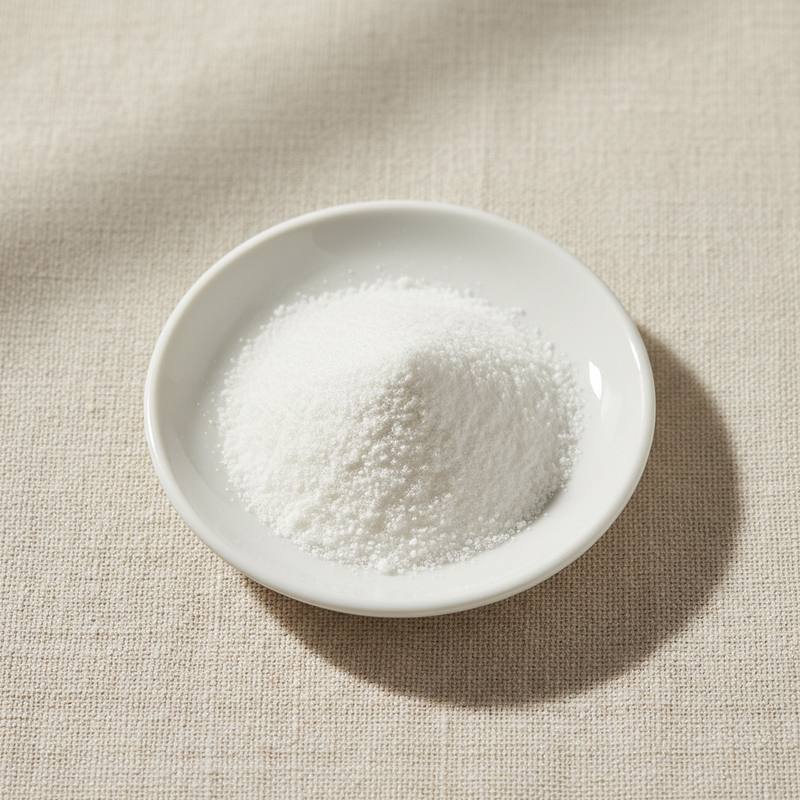
Description
The most widely used filler-diluent in solid-dose pharmaceuticals. Sieved grades serve as wet-granulation diluents and as carriers for low-dose APIs and dry powder inhaler blends, while spray-dried and granulated grades are the dominant direct-compression fillers in regulated-market formulations.
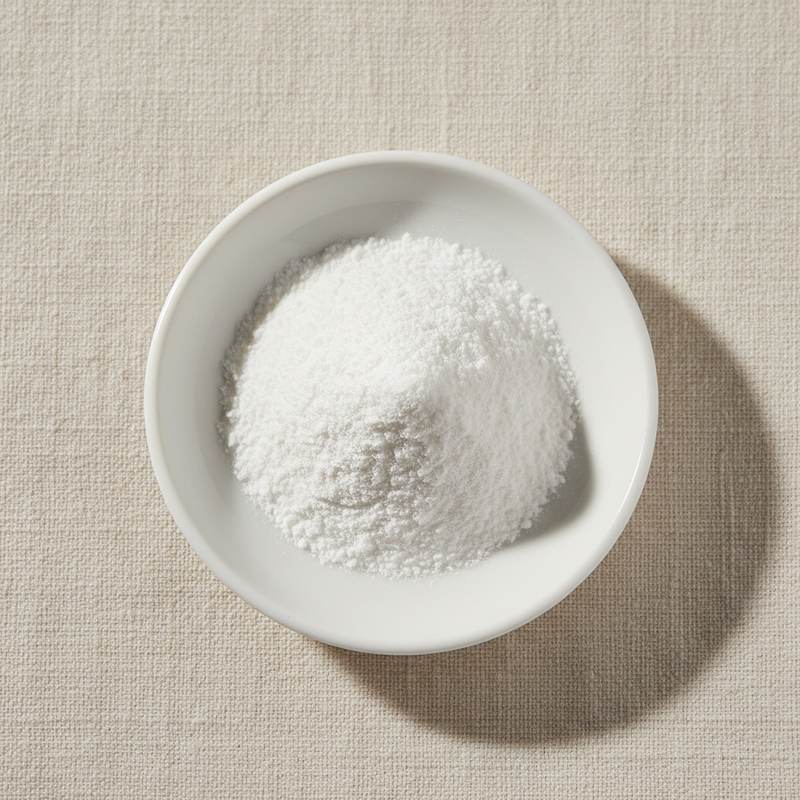
White or almost white crystalline powder, slightly sweet, freely soluble in water, practically insoluble in alcohol. Contains one molecule of water of crystallization, accounting for the 4.5 to 5.5 percent loss on drying specified in pharmacopoeial monographs.
We supply pharmaceutical-grade Lactose Monohydrate from manufacturers in China holding ISO, GMP, USP/EP/JP DMF, Halal, Kosher, and other certifications relevant to the product and production. The pharmaceutical lactose monograph is distinct from food-grade lactose specifications and requires segregated production, dedicated lines, and full BSE/TSE source documentation.
Common market grades include sieved 80, 100, 200, and 325 mesh (wet granulation and capsule filling), spray-dried direct-compression grade (the standard DC filler), agglomerated or granulated grades (improved flow and tablet hardness), and fine inhalation grade (5 to 30 micron carrier for dry powder inhalers).
Bulk and reduced-MOQ shipments. Batch-level COA covering identification, assay, specific rotation, loss on drying, particle size distribution, microbiology, and full source documentation against USP, EP, JP, and BP monographs.
Introduction
Lactose Monohydrate has been used as a pharmaceutical excipient since the nineteenth century and is the single most widely used filler-diluent in solid-dose manufacturing globally. The pharmacopoeial monograph predates most modern excipient standards and remains the reference for crystalline filler quality.
Production starts with the whey or permeate fraction of cheese or casein manufacturing. The dilute lactose solution is concentrated, crystallized as the alpha-monohydrate, washed, dried, and either sieved (for wet granulation grades), spray-dried (for direct-compression filler), or co-processed and granulated for improved flow.
Listed in USP-NF, EP, JP, and BP monographs. The pharmaceutical grade is fully segregated from food-grade lactose and requires dedicated manufacturing lines, BSE/TSE source statements covering the dairy supply, allergen control documentation, and full residual protein and microbiology control to monograph limits.
In formulation Lactose Monohydrate offers low cost, broad API compatibility (with the important Maillard-reaction caveat for primary-amine APIs such as catecholamines and aminoglycosides), reliable supply, and the deepest regulatory documentation history of any filler. Grade selection follows the wet-granulation versus direct-compression split: sieved for wet, spray-dried or granulated for dry.
Strategic position: pharmaceutical lactose is one of the largest excipients by volume in regulated markets, and BSE/TSE source documentation plus segregation from food production are the principal qualification criteria above price.
Where it is used
- Primary diluent in wet-granulation tablet manufacturing
- Direct-compression filler in spray-dried and granulated grades
- Capsule diluent in hard-shell capsule filling
- Carrier for low-dose APIs and potent active blends
- Carrier excipient for dry powder inhaler formulations
- Diluent in lozenge and chewable tablet manufacturing
- Sachet and stick-pack filler for powder oral solutions
- Carrier for vitamin and mineral premixes in nutraceutical tablets
Technical data
| Item | Specification |
|---|---|
| Appearance | White or almost white crystalline powder |
| Compliance | USP/NF, EP, JP, BP current edition |
| Identification | Conforms to pharmacopoeial tests |
| Assay (lactose, dried basis) | ≥ 99.0% |
| Specific rotation | +54.4° to +55.9° (anhydrous basis) |
| Loss on drying | 4.5% to 5.5% |
| Sulfated ash | ≤ 0.1% |
| Protein and light-absorbing impurities | Passes test |
| Acidity or alkalinity | Passes test |
| Heavy metals (as Pb) | ≤ 5 mg/kg |
| Particle size | 80, 100, 200, 325 mesh sieved; spray-dried DC; or inhalation grade per specification |
| Bulk density (DC grade) | 0.55 to 0.75 g/mL |
| Total aerobic count | ≤ 100 CFU/g |
| Yeast and mould | ≤ 50 CFU/g |
| E. coli, Salmonella | Absent |
| BSE/TSE | Free, supported by source documentation |
| Source | Bovine milk whey or permeate, segregated pharmaceutical line |
Related ingredients
Ready to discuss business?
Send us your spec and requirement. We will respond with availability and pricing within 24 hours.