Description
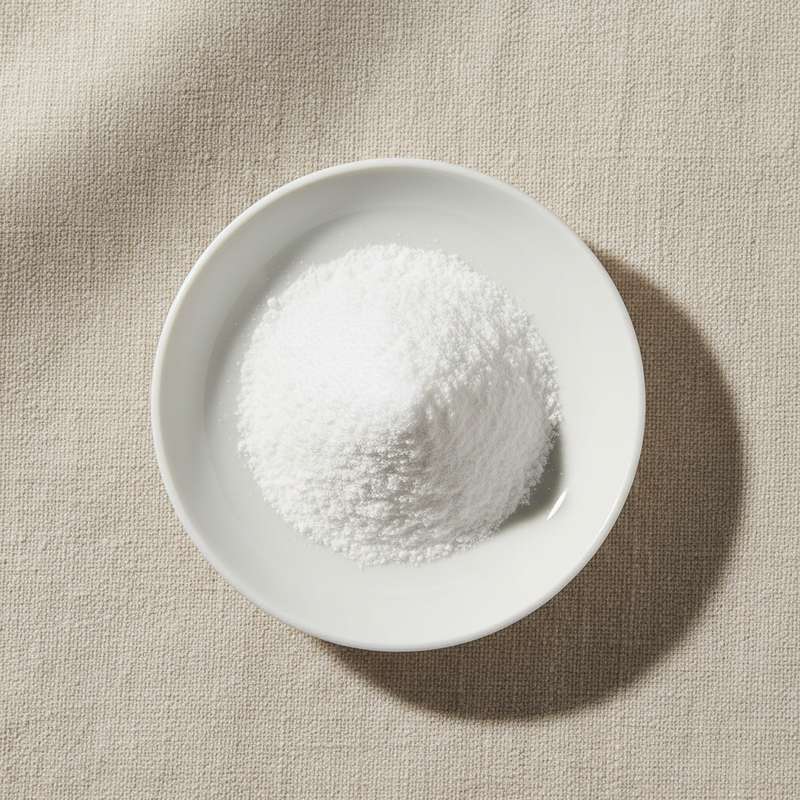
An eighteen-carbon saturated fatty acid used as a lubricant, release agent, and emulsifier in tablet, capsule, semisolid, and suppository manufacturing. Often selected when magnesium stearate is incompatible with a sensitive API, since the free acid avoids the alkaline metal-soap reactivity.
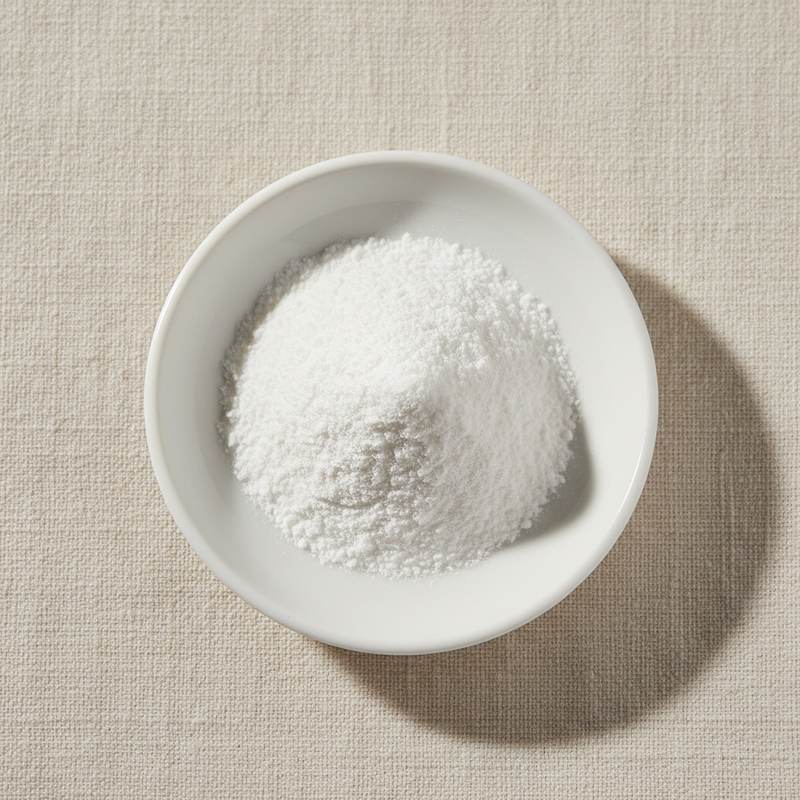
White to slightly yellow waxy solid in flake, bead, or powder form with a faint tallow odor. Practically insoluble in water, soluble in alcohol and chloroform. Melting range 54 to 70 degrees Celsius depending on grade and stearic-to-palmitic acid ratio.
We supply pharmaceutical-grade Stearic Acid from manufacturers in China holding ISO, GMP, USP/EP/JP DMF, Halal, Kosher, and other certifications relevant to the product and production. Vegetable-source and animal-source grades are available on request.
Common market grades include Stearic Acid 50 (approximately 50 percent stearic content, the most common single-pressed pharmaceutical grade), Stearic Acid 70, Stearic Acid 95 (high-purity triple-pressed), and powdered grades milled for direct blending into compression mixes. Pharmaceutical material is supplied in flake, bead, and powder formats.
Bulk and reduced-MOQ shipments. Batch-level COA covering acid value, saponification value, iodine value, fatty acid composition, residue on ignition, heavy metals, and microbiology against USP, EP, JP, and BP monographs.
Introduction
Stearic Acid was first characterized by the French chemist Michel Eugene Chevreul in 1823 in his foundational work on the chemistry of fats and oils. The name derives from the Greek stear, meaning tallow, reflecting its original isolation from animal fat.
Pharmaceutical production proceeds from hydrogenated vegetable oils (palm and soy are the dominant feedstocks) or rendered animal fats. The crude fatty acid mixture is split by high-pressure hydrolysis, fractionally distilled, and pressed or solvent-fractionated to the target stearic-to-palmitic acid ratio. Triple-pressed material reaches above 90 percent stearic content.
Listed in USP-NF, EP, JP, and BP monographs. FDA GRAS under 21 CFR 184.1090. The pharmacopoeial monographs specify acid value, saponification value, iodine value, and fatty acid composition, all of which characterize the purity and the stearic-to-palmitic ratio that defines a given grade.
In solid-dose formulation Stearic Acid is the principal alternative to magnesium stearate when the divalent metal of the metal soap would react with an acidic, ester, or amine API. It is less efficient as a lubricant than magnesium stearate at equivalent inclusion, so use levels are typically 1 to 3 percent.
Strategic position: in regulated markets vegetable-derived pharmaceutical grades dominate. Source documentation (palm, palm kernel, soy, or animal), residual solvent profile if solvent-fractionated, and the stearic-to-palmitic ratio are the principal sourcing criteria.
Where it is used
- Tablet and capsule lubricant where magnesium stearate is contraindicated
- Release agent in compressed tablets and lozenge molding
- Component of suppository and pessary bases
- Emulsifier in pharmaceutical creams, lotions, and ointments
- Stiffening agent in topical semisolid formulations
- Hydrophobic carrier in sustained-release matrix tablets
- Anti-tack agent in chewable tablet and lozenge production
- Component of cosmetic and personal-care pharmaceutical formulations
Technical data
| Item | Specification |
|---|---|
| Appearance | White to slightly yellow waxy flakes, beads, or powder |
| Compliance | USP/NF, EP, JP, BP current edition |
| Identification | Conforms to pharmacopoeial tests |
| Acid value | 195 to 212 mg KOH/g |
| Saponification value | 200 to 220 mg KOH/g |
| Iodine value | ≤ 4.0 |
| Stearic acid content (Grade 50) | ≥ 40.0% |
| Stearic plus palmitic acid | ≥ 90.0% |
| Melting range | 54 °C to 70 °C (grade dependent) |
| Loss on drying | ≤ 0.5% |
| Residue on ignition | ≤ 0.1% |
| Mineral acid | Passes test |
| Heavy metals (as Pb) | ≤ 10 mg/kg |
| Nickel | ≤ 5 mg/kg |
| Total aerobic count | ≤ 1,000 CFU/g |
| Yeast and mould | ≤ 100 CFU/g |
| Source | Vegetable (palm or soy) or animal, declared per batch |
Related ingredients
Ready to discuss business?
Send us your spec and requirement. We will respond with availability and pricing within 24 hours.