Description
The default boundary lubricant of solid-dose pharmaceutical manufacturing. Reduces die-wall friction during compression and ejection, reduces sticking and picking on punch faces, and improves powder flow at low inclusion levels, typically 0.25 to 2 percent of the final blend.
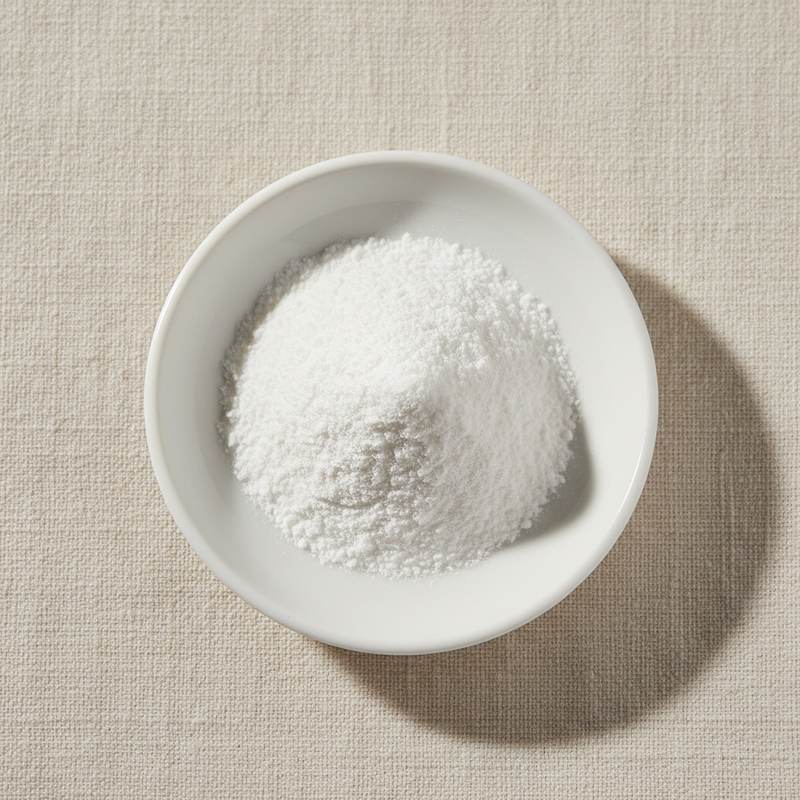
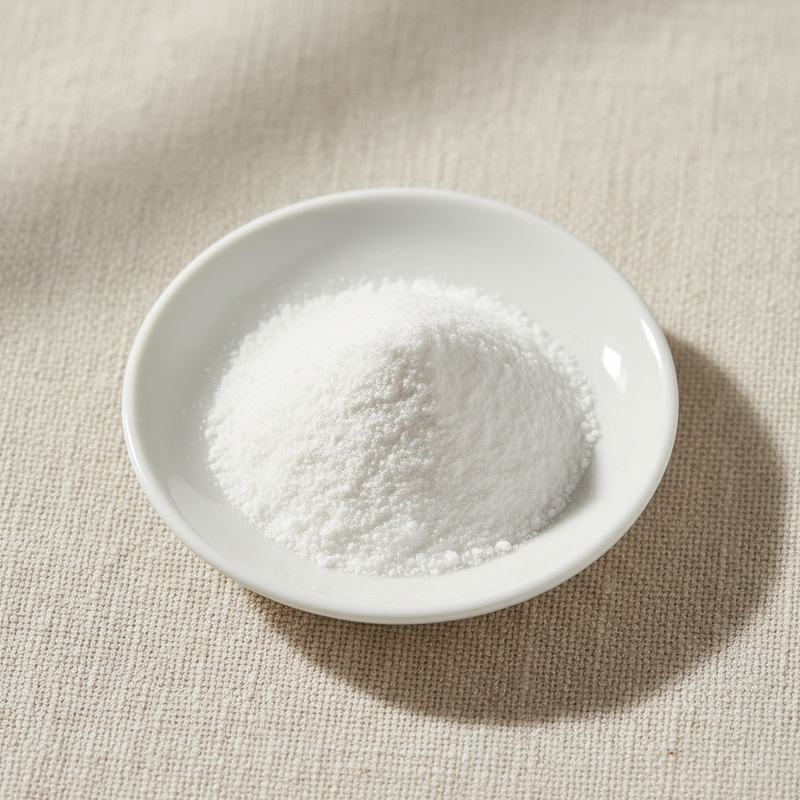
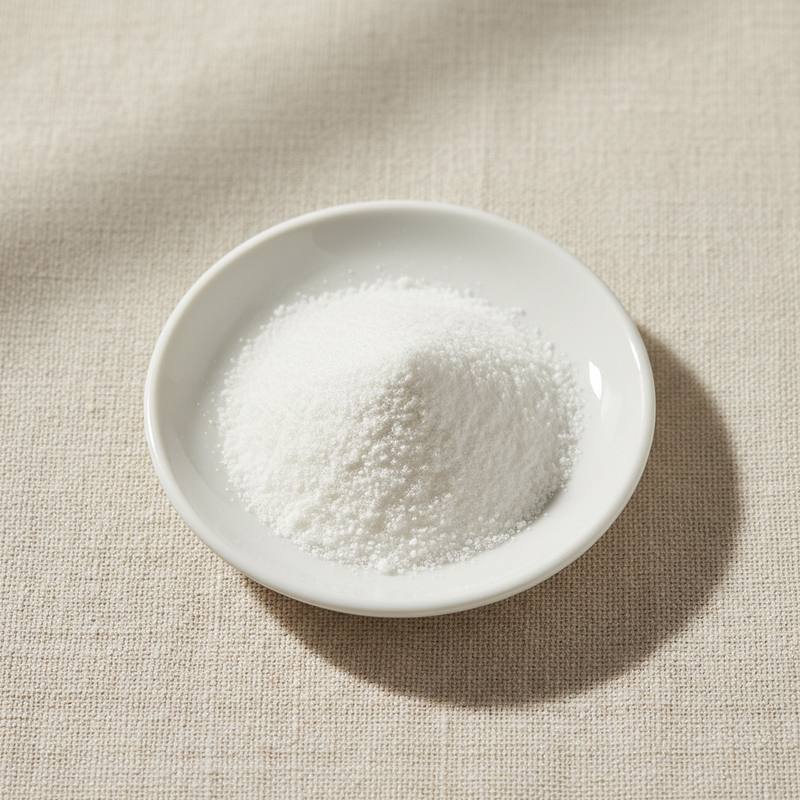
White, very fine, light, hydrophobic powder with a faint characteristic odor and a greasy feel on contact. Insoluble in water and most organic solvents. Composition is a mixture of magnesium stearate and magnesium palmitate, with stearic plus palmitic acid content of at least 90 percent per pharmacopoeial monographs.
We supply pharmaceutical-grade Magnesium Stearate from manufacturers in China holding ISO, GMP, USP/EP/JP DMF, Halal, Kosher, and other certifications relevant to the product and production. Vegetable-source and bovine-source grades are available on request.
Common market grades include standard pharmaceutical USP/EP/JP, vegetable-derived (from palm or soy) for plant-only formulations, high specific surface area grades for difficult compression problems, and low-moisture grades for hygroscopic API blends.
Bulk and reduced-MOQ shipments. Batch-level COA covering assay, fatty acid composition, specific surface area, particle size, heavy metals, residual solvents, and microbiology against USP, EP, JP, and BP monographs.
Introduction
Magnesium Stearate is the magnesium salt of stearic acid, first manufactured industrially in the late nineteenth century and adopted as a tableting lubricant as the modern tablet press emerged in the 1930s and 1940s. It has been the dominant boundary lubricant in solid-dose pharmaceuticals for more than seventy years and is the single most widely used lubricant in tablet and capsule manufacturing globally.
Production is by reaction of stearic acid (from hydrogenated vegetable or animal fats) with magnesium hydroxide or by metathesis of sodium stearate with magnesium chloride. The product is filtered, washed, dried, and milled to defined particle size and specific surface area, both of which directly affect lubrication efficiency in finished blends.
Listed in USP-NF, EP, JP, and BP monographs and assigned E470b in food applications. FDA GRAS under 21 CFR 184.1440. The mechanism of action is boundary lubrication: the platy hydrophobic particles align under shear at the die wall and on punch faces, reducing friction during compression and ejection.
Formulation practice has standardized on 0.25 to 2 percent inclusion, with blending time controlled because over-blending with hydrophobic lubricants reduces tablet hardness and slows dissolution. Specific surface area and particle size are the principal grade differentiators; high-surface-area grades lubricate at lower inclusion but accelerate hydrophobic over-coating of API surfaces.
Strategic position: vegetable-derived USP/EP/JP grades are now the default in regulated markets, driven by religious-certification, allergen, and BSE-risk considerations. Source declaration on the COA (palm, soy, bovine) is a standard buyer requirement.
Where it is used
- Primary lubricant in tablet compression and capsule filling
- Glidant at low inclusion for fine-powder blends
- Anti-adherent on punch faces and capsule tamping pins
- Mold release agent in suppository and lozenge production
- Hydrophobic flow aid in dry powder inhaler carrier blends
- Anti-tack agent in pan coating premixes
- Lubricant in roller compaction and dry granulation
- Standard ingredient in nutraceutical tablet and capsule formulation
Technical data
| Item | Specification |
|---|---|
| Appearance | White, very fine, light powder |
| Compliance | USP/NF, EP, JP, BP current edition |
| Identification | Conforms to pharmacopoeial tests |
| Assay (Mg content, dried basis) | 4.0% to 5.0% |
| Stearic plus palmitic acid content | ≥ 90.0% of fatty acid fraction |
| Stearic acid in fatty acid fraction | ≥ 40.0% |
| Loss on drying | ≤ 6.0% |
| Free fatty acid (as stearic) | ≤ 3.0% |
| Acidity or alkalinity | Passes test |
| Specific surface area | Typical 4 to 12 m²/g (grade dependent) |
| Particle size (D50) | ≤ 25 microns |
| Lead | ≤ 2 mg/kg |
| Cadmium | ≤ 1 mg/kg |
| Nickel | ≤ 5 mg/kg |
| Heavy metals (as Pb) | ≤ 10 mg/kg |
| Total aerobic count | ≤ 1,000 CFU/g |
| Yeast and mould | ≤ 100 CFU/g |
| E. coli, Salmonella | Absent |
| Source | Vegetable (palm or soy) or bovine, declared per batch |
Related ingredients
Ready to discuss business?
Send us your spec and requirement. We will respond with availability and pricing within 24 hours.