Description
A non-ionic, water-insoluble cellulose ether used in pharmaceutical solid-dose formulations as a sustained-release film coating, a matrix former for extended-release tablets, a taste-masking coating, and a moisture barrier in protective film coats.
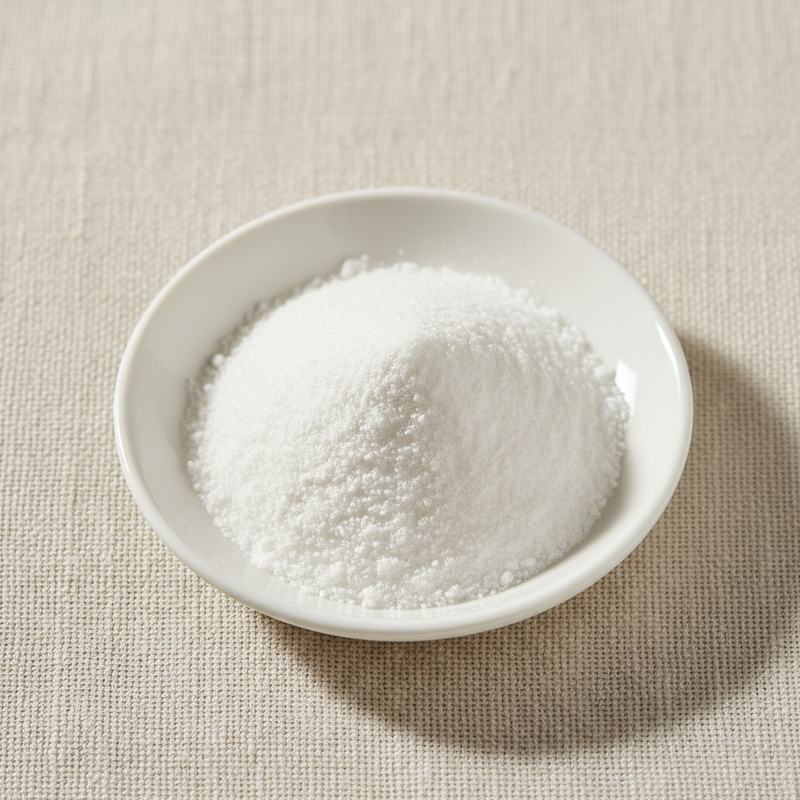
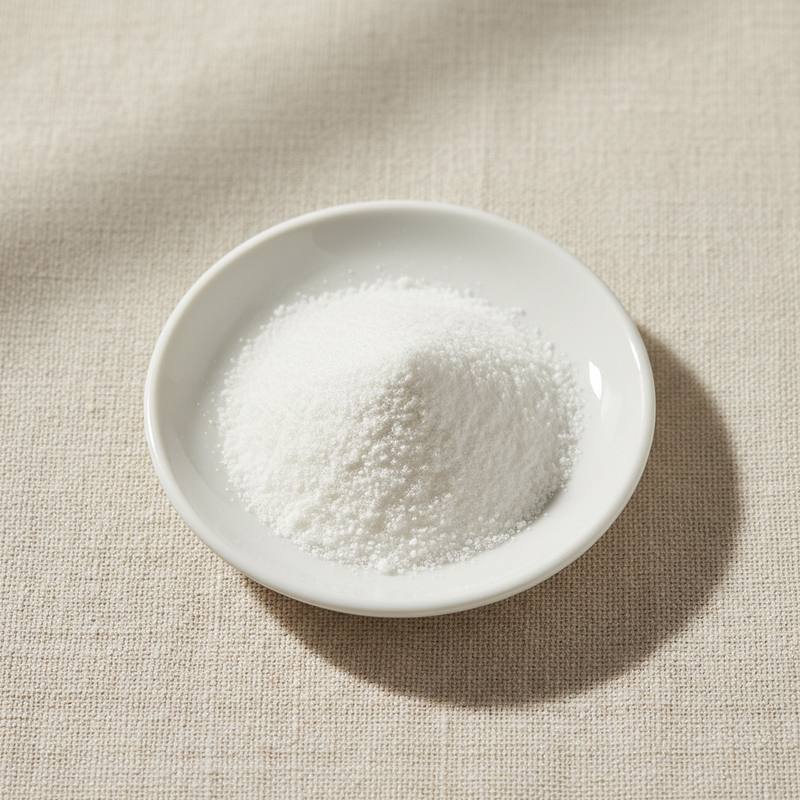
White to light tan free-flowing powder or granules. Insoluble in water and glycerol, freely soluble in ethanol, methylene chloride, ethyl acetate, and toluene. Forms tough, flexible, water-insoluble films on evaporation of the coating solvent.
We supply pharmaceutical-grade Ethylcellulose from manufacturers in China holding ISO, GMP, USP/EP DMF, Halal, Kosher, and other certifications relevant to the product and production.
Common market grades are differentiated by ethoxy content (44 to 51 percent) and viscosity in 5 percent solution. Standard grades include N7 (7 mPa·s), N10, N14, N22, N50, N100, and N200 (200 mPa·s), with low-viscosity grades for spray-dried particles and high-viscosity grades for protective coatings and matrix systems. Aqueous dispersion forms (Aquacoat ECD type, Surelease type) are available for solvent-free coating processes.
Bulk and reduced-MOQ shipments. Batch-level COA covering identification, ethoxy content, viscosity, loss on drying, residue on ignition, heavy metals, residual solvents, and microbiology against USP, EP, and BP monographs.
Introduction
Ethylcellulose was first synthesized in the 1920s and reached pharmaceutical commercial scale in the 1940s and 1950s. It is the principal water-insoluble cellulose ether used in modern controlled-release solid-dose pharmaceuticals.
Production proceeds by reaction of alkali cellulose with ethyl chloride under pressure, introducing ethoxy substituents at the cellulose hydroxyls. The pharmacopoeial grade specifies ethoxy content of 44 to 51 percent, which corresponds to a degree of substitution of 2.25 to 2.60 and gives the polymer its water insolubility while preserving organic solvent solubility.
Listed in USP-NF, EP, and BP monographs. Assigned E462 in food applications. FDA Inactive Ingredient Database listed for oral solid and topical routes.
Functional behavior in coating is dominated by water insolubility plus film strength: the polymer forms a tough water-insoluble membrane around the tablet or pellet that controls drug release by diffusion through the film. Release rate is tuned by film thickness, by the inclusion of soluble pore-forming agents (Hypromellose or PEG), and by polymer viscosity grade.
Strategic position: along with the acrylic Eudragit-type polymers, Ethylcellulose is the dominant water-insoluble polymer chemistry in modern sustained-release and taste-masking coating applications. Aqueous dispersion forms have largely displaced solvent-based coating in regulated markets for environmental and worker-safety reasons.
Where it is used
- Sustained-release film coating on tablets and pellets
- Matrix former in extended-release tablet formulations
- Taste-masking coating on bitter APIs and chewable tablets
- Moisture barrier film coating on hygroscopic tablets
- Microencapsulation wall material for controlled-release granules
- Granulating binder in wet granulation with organic solvents
- Carrier in hot-melt extrusion sustained-release systems
- Pellet coating for multiparticulate controlled-release capsule fills
Technical data
| Item | Specification |
|---|---|
| Appearance | White to light tan free-flowing powder or granules |
| Compliance | USP/NF, EP, BP current edition |
| Identification | Conforms to pharmacopoeial tests |
| Ethoxy content (dried basis) | 44.0% to 51.0% |
| Viscosity (5% solution in 80:20 toluene:ethanol, 25 °C) | Grade dependent; 7 to 200 mPa·s |
| Loss on drying | ≤ 3.0% |
| Residue on ignition | ≤ 0.4% |
| Heavy metals (as Pb) | ≤ 20 mg/kg |
| Residual ethyl chloride | Conforms to ICH Q3C limits |
| Residual benzene | ≤ 2 mg/kg |
| Particle size | Per grade specification |
| Bulk density | 0.30 to 0.45 g/mL |
| Total aerobic count | ≤ 1,000 CFU/g |
| Yeast and mould | ≤ 100 CFU/g |
| E. coli, Salmonella | Absent |
| Source | Purified wood pulp cellulose |
Related ingredients
Ready to discuss business?
Send us your spec and requirement. We will respond with availability and pricing within 24 hours.