Description
A non-ionic mixed cellulose ether bearing both methoxy and hydroxypropoxy substituents. The most versatile single excipient in modern solid-dose pharmaceutical formulation, used as a film coating polymer, sustained-release matrix former, binder, viscosity builder, and the polymer of choice for vegetable-source hard-shell capsules.
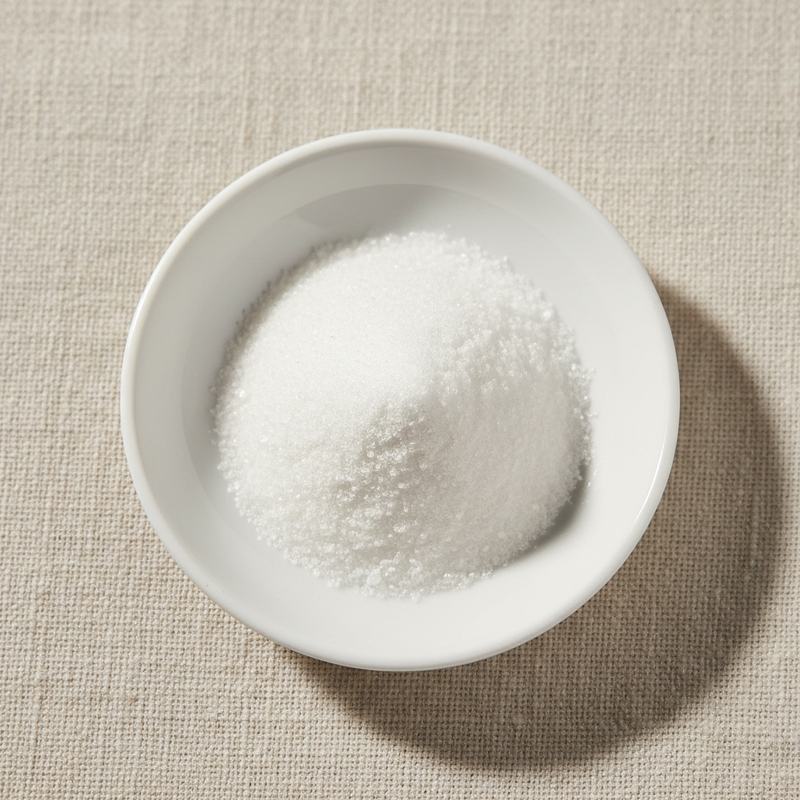
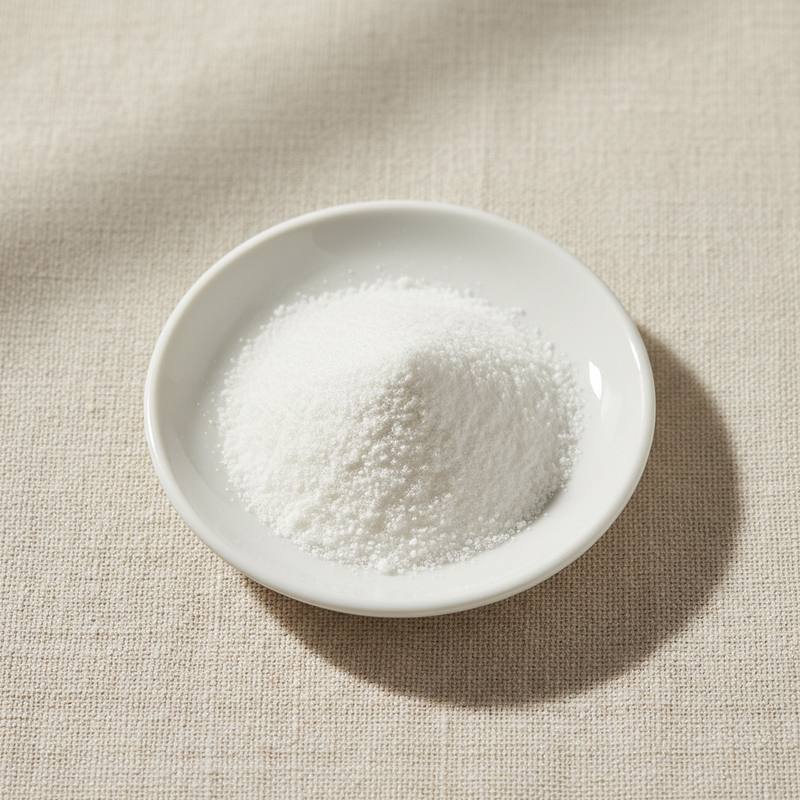
White to off-white free-flowing fibrous or granular powder, soluble in cold water and in mixed organic-aqueous solvents typical of pharmaceutical coating. Solution viscosity is determined by polymer chain length and substitution profile.
We supply pharmaceutical-grade Hypromellose from manufacturers in China holding ISO, GMP, USP/EP/JP DMF, Halal, Kosher, and other certifications relevant to the product and production.
Common market grades are identified by substitution type (USP Substitution Types 1828, 2208, 2906, 2910, defining methoxy and hydroxypropoxy percent) and by viscosity (3, 5, 6, 15, 50, 100, 400, 4000, 15000, 100000 mPa·s at 2 percent solution). Coating premix grades (typical viscosity 5 to 15 mPa·s) and matrix grades (typical 4000 to 100000 mPa·s) are the dominant pharmaceutical applications.
Bulk and reduced-MOQ shipments. Batch-level COA covering identification, substitution type, methoxy and hydroxypropoxy content, viscosity, loss on drying, residue on ignition, heavy metals, and microbiology against USP, EP, JP, and BP monographs.
Introduction
Hypromellose was developed in the mid-twentieth century as a mixed cellulose ether that combined the cold-water solubility of methylcellulose with the surface-active properties and organic-solvent compatibility imparted by hydroxypropyl substitution. It is now the most versatile single excipient in modern solid-dose pharmaceutical formulation.
Production proceeds by reaction of purified alkali cellulose with methyl chloride and propylene oxide under controlled conditions, introducing both methoxy and hydroxypropoxy substituents at the cellulose hydroxyls. Reaction stoichiometry sets the substitution type per USP (1828, 2208, 2906, 2910), while feedstock chain length and post-reaction depolymerization set the viscosity grade.
Listed in USP-NF, EP, JP, and BP monographs and assigned E464 in food. FDA Inactive Ingredient Database listed for oral solid, oral liquid, ophthalmic, topical, otic, and parenteral routes.
The breadth of application is the chemistry's defining feature: the same polymer family delivers immediate-release coatings (at low viscosity grades), sustained-release matrices (at high viscosity grades), capsule shells (at intermediate viscosity grades with specific substitution profiles), and ophthalmic viscosity builders (at low-viscosity high-purity grades). Few pharmaceutical excipients span this many functional roles within a single chemistry.
Strategic position: in regulated pharmaceutical markets Hypromellose is among the largest excipient lines by both volume and dollar value, and Substitution Type plus viscosity grade selection is one of the most consequential choices in any solid-dose formulation development program.
Where it is used
- Film former in aqueous and organic-solvent tablet coating premixes
- Sustained-release matrix former in extended-release tablets
- Capsule shell polymer (vegetable-source hard-shell capsules)
- Binder in wet-granulation tablet manufacturing
- Viscosity builder in oral suspensions, syrups, and ophthalmic preparations
- Mucoadhesive component in buccal, sublingual, and ocular systems
- Stabilizer in lubricating eye drops and artificial tears
- Solubility enhancer in solid dispersions for poorly soluble APIs
- Thickener in pharmaceutical creams and gels
Technical data
| Item | Specification |
|---|---|
| Appearance | White to off-white fibrous or granular powder |
| Compliance | USP/NF, EP, JP, BP current edition |
| Identification | Conforms to pharmacopoeial tests |
| Substitution type | USP 1828, 2208, 2906, or 2910 (declared) |
| Methoxy content (dried basis) | 16.5% to 30.0% (substitution-type dependent) |
| Hydroxypropoxy content (dried basis) | 4.0% to 32.0% (substitution-type dependent) |
| Viscosity (2% solution, 20 °C) | 3 to 100,000 mPa·s (grade dependent) |
| Loss on drying | ≤ 5.0% |
| Residue on ignition | ≤ 1.5% |
| pH (1% solution) | 5.0 to 8.0 |
| Heavy metals (as Pb) | ≤ 10 mg/kg |
| Arsenic | ≤ 2 mg/kg |
| Particle size | Per grade specification |
| Bulk density | 0.30 to 0.50 g/mL |
| Total aerobic count | ≤ 1,000 CFU/g |
| Yeast and mould | ≤ 100 CFU/g |
| E. coli, Salmonella | Absent |
| Source | Purified wood pulp or cotton-linter cellulose |
Related ingredients
Ready to discuss business?
Send us your spec and requirement. We will respond with availability and pricing within 24 hours.