Description
The single most widely used excipient in solid-dose pharmaceuticals. Functions as a binder and diluent in wet granulation and as the primary dry binder in direct compression, while contributing internal disintegration and capsule plug formation.
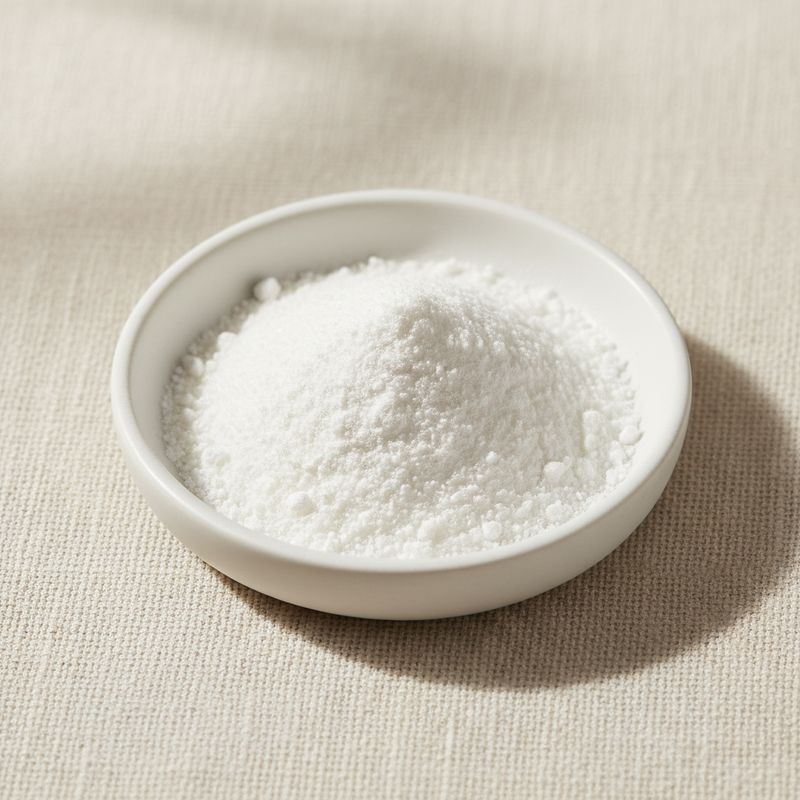
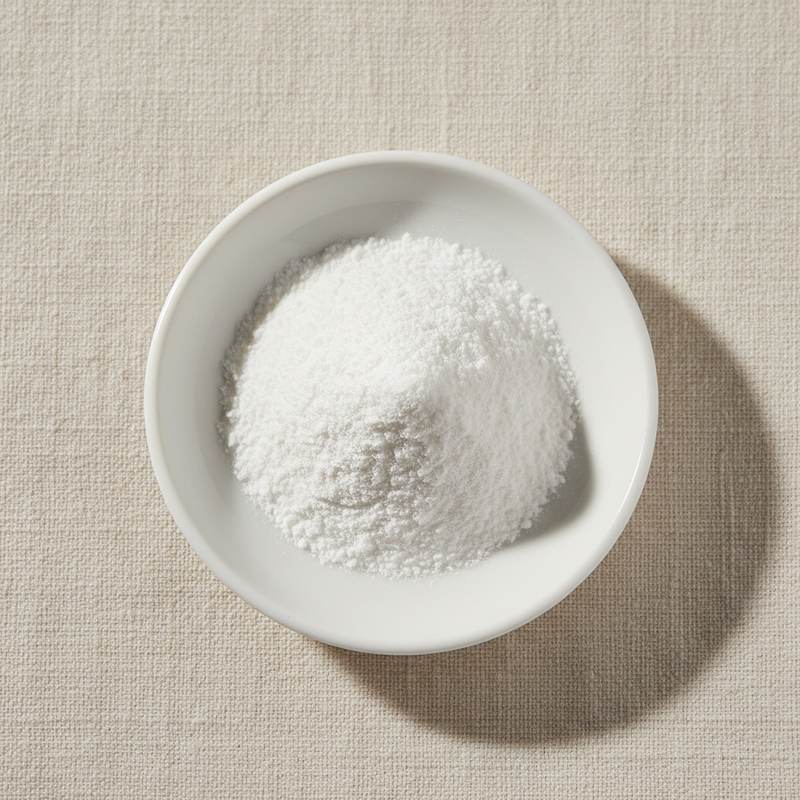
White to off-white free-flowing powder with characteristic short-fiber morphology, tasteless and odorless, insoluble in water but capable of forming a moist mass under wet granulation conditions. Particle size, bulk density, and moisture vary by grade to match a specific compression or capsule-filling profile.
We supply pharmaceutical-grade Microcrystalline Cellulose from manufacturers in China holding ISO, GMP, USP/EP/JP DMF, Halal, Kosher, and other certifications relevant to the product and production.
Common market grades include PH-101 (50 microns, standard wet granulation), PH-102 (100 microns, the workhorse direct-compression grade), PH-200 (180 microns, high-flow direct compression), PH-105 (20 microns, fine grade for coating premixes), PH-301 and PH-302 (high-density grades for small tablets and capsules), and silicified MCC variants for difficult compression problems.
Bulk and reduced-MOQ shipments. Batch-level COA covering assay, loss on drying, residue on ignition, particle size distribution, bulk and tapped density, heavy metals, and microbiology against USP, EP, JP, and BP monographs.
Introduction
Microcrystalline Cellulose was developed by FMC Corporation in 1955 under the trade name Avicel and remains the reference standard for the category. It transformed solid-dose manufacturing by enabling true direct compression at scale, which collapsed cycle times and process risk compared to wet granulation.
Industrial production starts from purified alpha-cellulose obtained from wood pulp or cotton linters. Controlled mineral acid hydrolysis removes the amorphous regions of the cellulose chain, leaving behind crystalline aggregates that are washed, neutralized, spray-dried, and milled to defined particle size and bulk density.
Listed in the USP-NF, European Pharmacopoeia, Japanese Pharmacopoeia, and British Pharmacopoeia, and assigned the E460(i) designation in food applications. The FDA recognizes it as Generally Recognized as Safe and the JECFA Acceptable Daily Intake is not specified, reflecting one of the most favorable safety profiles in the excipient pharmacopoeia.
In solid-dose formulation MCC delivers a combination of plastic deformation under compression, internal wicking for disintegration, low chemical reactivity with most APIs, and broad regulatory acceptance that no single competing excipient matches. The grade-to-application mapping (PH-101 for wet granulation, PH-102 for general direct compression, PH-200 for high-speed presses) is one of the few standardized choices in formulation development.
Strategic position: pharmaceutical-grade MCC is the largest single excipient line by volume in global solid-dose manufacturing. Reliable supply, batch-to-batch consistency on particle size and moisture, and full pharmacopoeial documentation are the principal sourcing criteria.
Where it is used
- Primary dry binder in direct-compression tablet manufacturing
- Binder and diluent in wet-granulation tablet processes
- Capsule diluent and plug-forming aid in hard-shell capsules
- Internal disintegrant through wicking and rapid water uptake
- Carrier for low-dose actives and potent APIs in geometric dilution
- Granulation aid in roller compaction and dry granulation
- Spheronization aid in extrusion-spheronization pellet production
- Anti-adherent and flow modifier in fine-powder blends
- Bulking agent in nutraceutical tablets and capsules
Technical data
| Item | Specification |
|---|---|
| Appearance | White to off-white fine fibrous powder |
| Compliance | USP/NF, EP, JP, BP current edition |
| Identification | Conforms to pharmacopoeial tests |
| Loss on drying | ≤ 5.0% |
| Residue on ignition (sulfated ash) | ≤ 0.05% |
| Water-soluble substances | ≤ 0.25% |
| Ether-soluble substances | ≤ 0.05% |
| pH (10% aqueous suspension) | 5.0 to 7.5 |
| Bulk density | 0.26 to 0.45 g/mL (grade dependent) |
| Tapped density | 0.30 to 0.55 g/mL (grade dependent) |
| Particle size (mean) | 20 to 180 microns (grade dependent: PH-101, PH-102, PH-200) |
| Starch | Not detected |
| Heavy metals (as Pb) | ≤ 10 mg/kg |
| Total aerobic count | ≤ 1,000 CFU/g |
| Yeast and mould | ≤ 100 CFU/g |
| E. coli, Salmonella | Absent |
| Source | Purified alpha-cellulose from wood pulp |
Related ingredients
Ready to discuss business?
Send us your spec and requirement. We will respond with availability and pricing within 24 hours.