Description
A concentrated mixture of positional and geometric isomers of linoleic acid, principally the c9,t11 and t10,c12 forms, produced by alkaline isomerization of safflower or sunflower oil rich in linoleic acid.
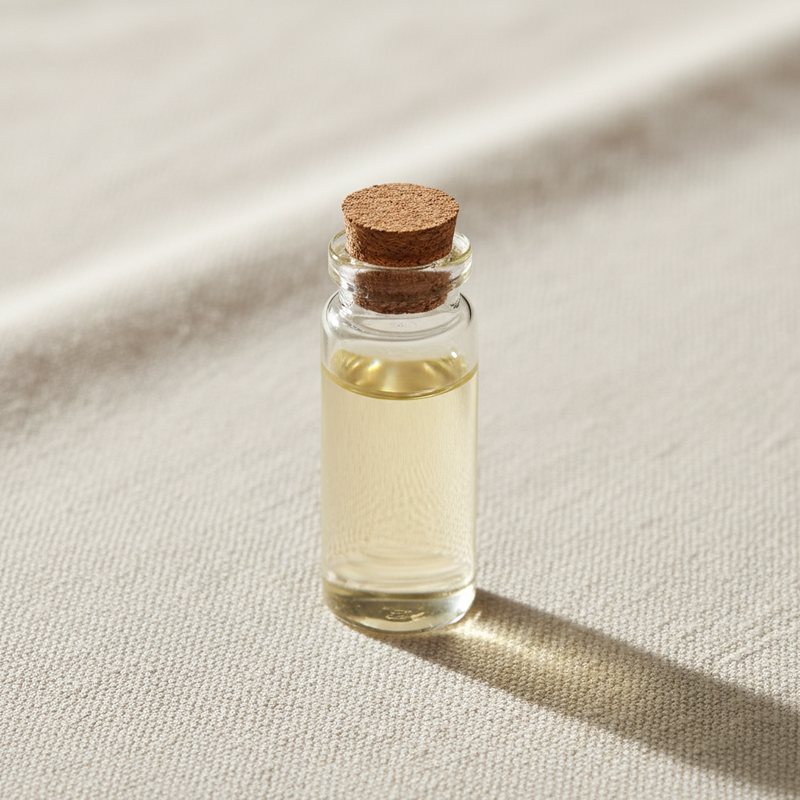
Pale yellow to yellow oil with a mild fatty odor. Free-flowing at room temperature, supplied as free fatty acid (FFA) or triglyceride (TG) form depending on application.
We supply food-grade and supplement-grade CLA Oil from manufacturers in China holding ISO, Halal, Kosher and other certifications relevant to the product and production.
Common market grades include CLA 60% FFA, CLA 78% FFA, CLA 80% FFA, and CLA 80% TG (triglyceride form) for softgel encapsulation. Powder formats at 60% to 75% active are produced by spray-drying with carriers such as maltodextrin and modified starch.
Bulk and reduced-MOQ shipments. Batch-level COA covering CLA isomer profile, acid value, peroxide value, heavy metals, and microbiology.
Introduction
Conjugated Linoleic Acid was identified as the active fraction in grilled beef extract studied by Michael Pariza and colleagues at the University of Wisconsin in the late 1970s. The compound exists naturally in ruminant fats including beef, lamb, and dairy at concentrations of 0.3 to 1.0 percent of total fat.
Commercial CLA is produced by alkaline isomerization of high-linoleic vegetable oils, predominantly safflower oil, which shifts the double bonds of linoleic acid from the methylene-interrupted to the conjugated configuration. The principal bioactive isomers are c9,t11 (rumenic acid) and t10,c12 in roughly equal proportion.
CLA is permitted as a novel food in the European Union under Regulation 258/97 with specified intake limits and is classified as Generally Recognized as Safe in the United States for designated food applications.
Oxidative stability is moderate. Antioxidant systems including mixed tocopherols, rosemary extract, and ascorbyl palmitate are typically incorporated at 500 to 2000 ppm in finished oil and softgel formulations.
Where it is used
- Weight management and body composition supplements in softgel and capsule formats
- Sports nutrition products including pre-workout and lean-mass formulations
- Functional dairy and beverage fortification at low inclusion levels
- Powdered nutrition shakes and meal replacements using microencapsulated CLA powder
- Animal nutrition, particularly poultry and swine feed for carcass composition modulation
- Pet food and pet supplement applications for senior and weight-control formulas
- Functional confectionery and chews positioned for healthy-lifestyle consumers
- Cosmetic and personal-care emollient applications in niche formulations
Technical data
| Item | Specification |
|---|---|
| Appearance | Pale yellow to yellow clear oil |
| Total CLA isomers | ≥ 78.0% |
| c9,t11 isomer | 30% to 40% |
| t10,c12 isomer | 30% to 40% |
| Acid value (FFA form) | 195 to 205 mg KOH/g |
| Peroxide value | ≤ 10 meq/kg |
| Moisture | ≤ 0.2% |
| Heavy metals (as Pb) | ≤ 0.1 mg/kg |
| Arsenic | ≤ 0.1 mg/kg |
Related ingredients
Ready to discuss business?
Send us your spec and requirement. We will respond with availability and pricing within 24 hours.