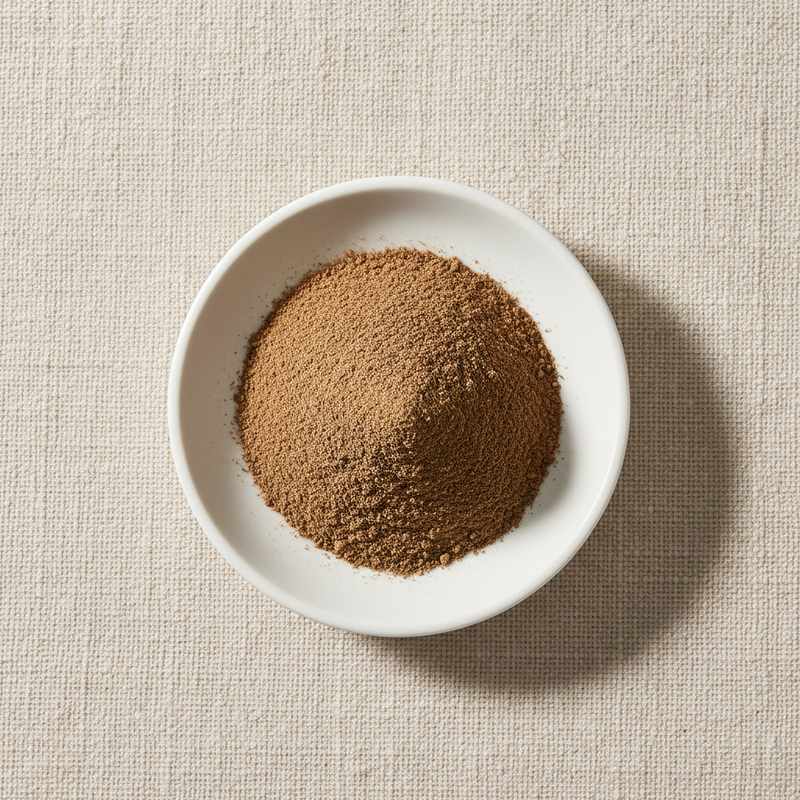
Description
The standardized extract of rosemary (Rosmarinus officinalis) leaves, valued as one of the most effective natural antioxidants commercially available and the leading clean-label alternative to BHA, BHT, and TBHQ in fat-containing food applications. Standardized on carnosic acid and carnosol content (the principal fat-soluble antioxidant diterpenes) and on rosmarinic acid content (the principal water-soluble antioxidant).
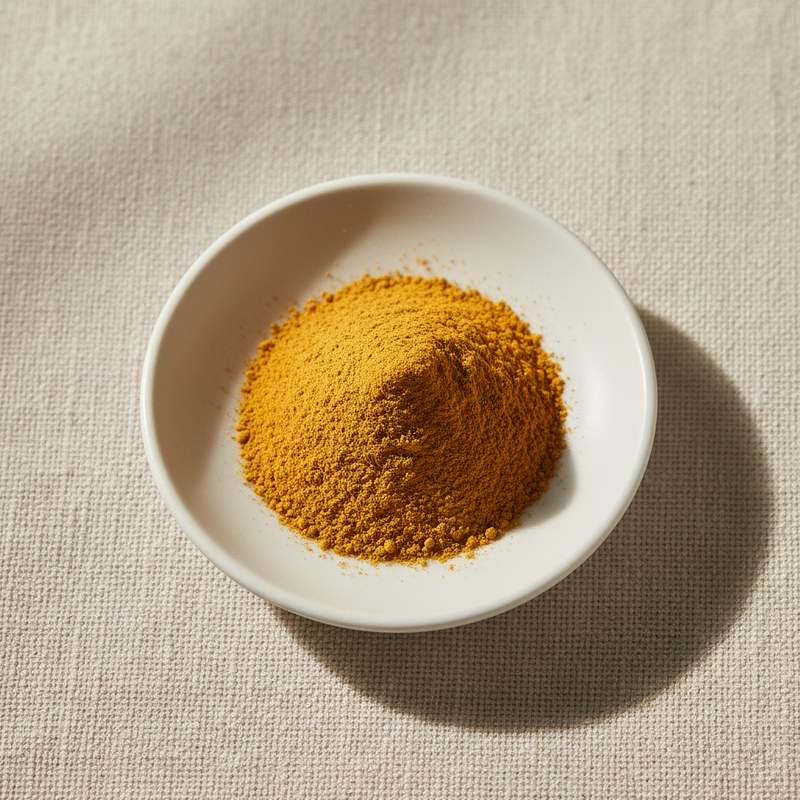
Appearance varies by grade and processing route. Powdered oil-soluble grades are light yellow to greenish-brown free-flowing powder, oil-soluble liquid concentrates are dark green to brown oily liquids, and water-soluble grades are brown free-flowing powder.
We supply food-grade Rosemary Extract from manufacturers in China holding ISO, Halal, Kosher and other certifications relevant to the product and production. Deodorized and decolorized grades are available for sensitive applications where the natural color or aroma of standard rosemary extract would affect the finished food.
Common market grades include Oil-Soluble Carnosic Acid 5 percent / 20 percent / 40 percent / 60 percent (the principal food-antioxidant grades approved as E 392 in the European Union), Water-Soluble Rosmarinic Acid 5 percent / 20 percent / 60 percent / 90 percent (for beverage and cosmetic applications), and Total Polyphenols 25 percent standardized rosemary extract for supplement positioning.
Bulk and reduced-MOQ shipments. Batch-level COA covering carnosic acid and carnosol content (HPLC), rosmarinic acid content, residual solvents, heavy metals, pesticides, and microbiology.
Introduction
Rosemary has been used as a culinary herb and traditional medicine across the Mediterranean basin since antiquity. The development of standardized rosemary extract as a commercial food antioxidant accelerated in the 1990s following the identification of carnosic acid and carnosol as the principal lipid-soluble antioxidant diterpenes responsible for the leaf's effectiveness in stabilizing fats and oils.
Industrial production proceeds by supercritical CO2 extraction (the premium route, yielding clean oil-soluble concentrates without solvent residues) or by ethanol or hexane extraction (yielding both oil-soluble and water-soluble fractions after appropriate processing). Spray-drying onto a food-grade carrier produces the powdered grades.
Recognized as a permitted food additive by the European Food Safety Authority (E 392, with specific maximum levels in different food categories), as GRAS by the U.S. FDA, and as a permitted food ingredient worldwide. The clean-label positioning of rosemary extract as a natural antioxidant is strongly supported by consumer-acceptance research, making it the leading alternative to synthetic antioxidants in clean-label food formulation.
Strategic positioning is the dominant natural antioxidant globally for fat-containing food applications, with commercial volumes substantially larger than competing tocopherol-based natural antioxidant systems for many high-fat applications.
Where it is used
- Natural food antioxidant in vegetable oils, frying fats, and rendered animal fats (the dominant commercial application, approved as E 392 in the European Union)
- Natural antioxidant in meat and poultry processing: shelf-life extension of fresh and processed meats
- Natural antioxidant in seafood and aquaculture feed applications
- Cosmetic skincare: antioxidant and anti-aging formulations
- Cognitive-support and memory-positioned dietary supplements
- Hair-care products: hair-growth and scalp-health applications
- Pet food applications as a clean-label antioxidant replacing BHA and BHT
- Premium functional beverages and herbal teas
Technical data
| Item | Specification |
|---|---|
| Appearance | Light yellow to greenish-brown free-flowing powder (oil-soluble grade) |
| Carnosic acid (HPLC) | 5% / 20% / 40% / 60% (grade dependent) |
| Total carnosic acid + carnosol | per supplier grade |
| Rosmarinic acid (water-soluble grades) | 5% / 20% / 60% / 90% |
| Loss on drying | ≤ 5.0% |
| Heavy metals (as Pb) | ≤ 2 mg/kg |
| Total plate count | ≤ 1000 cfu/g |
| Source | Rosmarinus officinalis leaves |
Related ingredients
Ready to discuss business?
Send us your spec and requirement. We will respond with availability and pricing within 24 hours.