Description
Tertiary Butylhydroquinone, the dominant synthetic phenolic antioxidant for fats and oils globally. This SKU represents the multi-grade catalog entry covering food, feed, and industrial applications under a single product code.
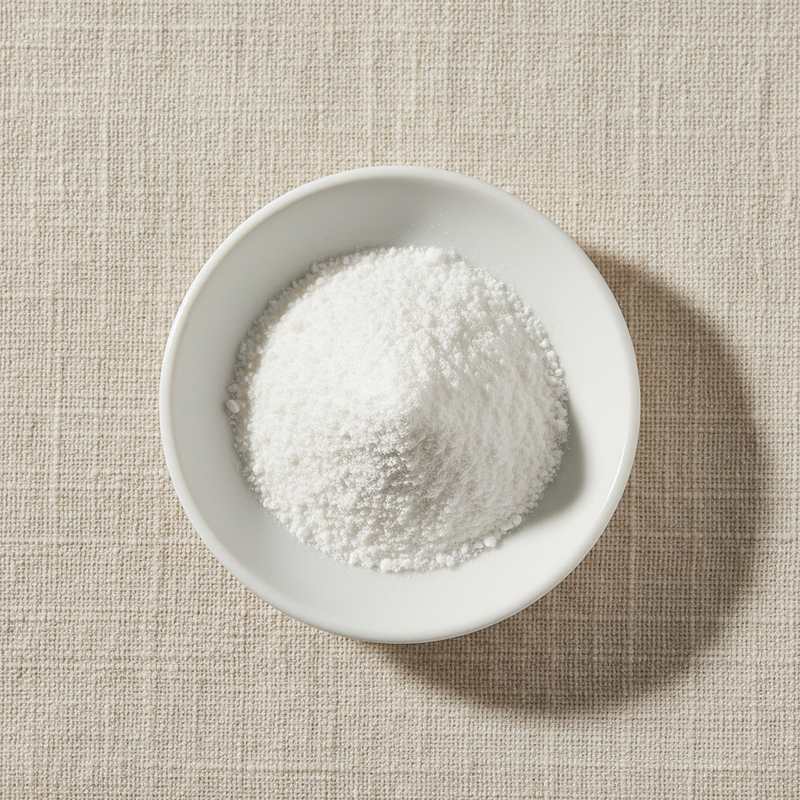
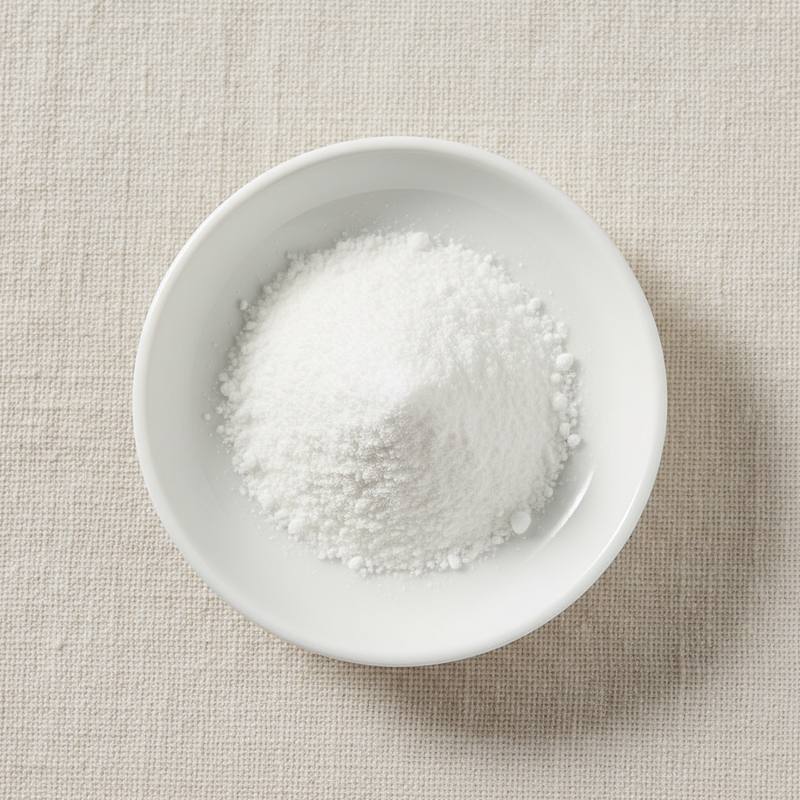
White to pale tan crystalline powder. 99 percent or higher purity standard. Soluble in fats and oils, low water solubility. Heat-stable through frying and baking temperatures.
We supply food-grade, feed-grade, and industrial-grade TBHQ from manufacturers in China holding ISO, Halal, Kosher and other certifications relevant to the product and production.
Common market grades include Industrial Grade for non-food chemical applications, Food Grade (FCC compliant for human food use), Feed Grade for animal nutrition applications, and pre-blended TBHQ-with-citric-acid synergist systems for enhanced antioxidant activity at lower TBHQ inclusion levels.
Bulk and reduced-MOQ shipments. Batch-level COA covering assay, melting range, residue on ignition, heavy metals, and microbiology.
Introduction
This SKU covers the multi-grade catalog entry for TBHQ, distinct from the standard food-grade SKU (catalog id 7631) by including industrial and feed grades alongside food grade under a single product code.
TBHQ was developed by Eastman Chemical in the 1970s and rapidly became the dominant synthetic antioxidant for vegetable oil applications globally. The molecule's antioxidant action comes from its phenolic structure: hydroxyl groups donate hydrogen atoms to peroxyl radicals during lipid oxidation, terminating the radical chain reaction that drives rancidity.
Regulated as E319 in the EU (with a maximum permitted level of 200 mg per kg of fat), classified as Generally Recognized as Safe by the U.S. FDA when used at or below 0.02 percent of fat content (200 mg/kg), and approved by JECFA with an Acceptable Daily Intake of 0.7 mg per kg body weight.
Effectiveness exceeds BHA and BHT in most fat and oil systems on a mass-equivalent basis. Synergy with citric acid is well-documented and forms the basis for many commercial pre-blended antioxidant systems.
The choice between food, feed, and industrial grades is regulatory and price-driven rather than chemical: industrial grade meets baseline purity for chemical-synthesis applications, feed grade meets animal-nutrition regulatory requirements, and food grade meets the tighter human-food specifications.
Where it is used
- Edible vegetable oils: soybean, palm, sunflower, and rapeseed oil oxidation protection
- Fried snacks: instant noodles, potato chips, and tortilla chips; protects frying oil and finished-product shelf life
- Roasted nuts, peanut butter, and nut-based products
- Animal feed and pet food; protects fats and fat-soluble vitamins from oxidation
- Margarine, shortening, and bakery fat applications
- Confectionery fillings and chocolate products containing fats
- Cosmetic and personal-care products including lipstick, sunscreen, and oil-based skincare
- Industrial applications: biodiesel stabilizer, fuel additive, and lubricant antioxidant
- Pharmaceutical oil-based formulations and topical preparations
Technical data
| Item | Specification |
|---|---|
| Appearance | White to pale tan crystalline powder |
| Assay (TBHQ) | ≥ 99.0% |
| Melting range | 126.5 °C to 128.5 °C |
| Loss on drying | ≤ 0.5% |
| Residue on ignition | ≤ 0.1% |
| Heavy metals (as Pb) | ≤ 10 mg/kg |
| Arsenic | ≤ 3 mg/kg |
| Free hydroquinone | ≤ 0.1% |
Related ingredients
Ready to discuss business?
Send us your spec and requirement. We will respond with availability and pricing within 24 hours.