Description
The sodium salt form of Ascorbic Acid (Vitamin C), preferred over the parent acid in pH-sensitive applications because it does not contribute acidulant function. Same antioxidant action as Ascorbic Acid with a near-neutral pH on dissolution.
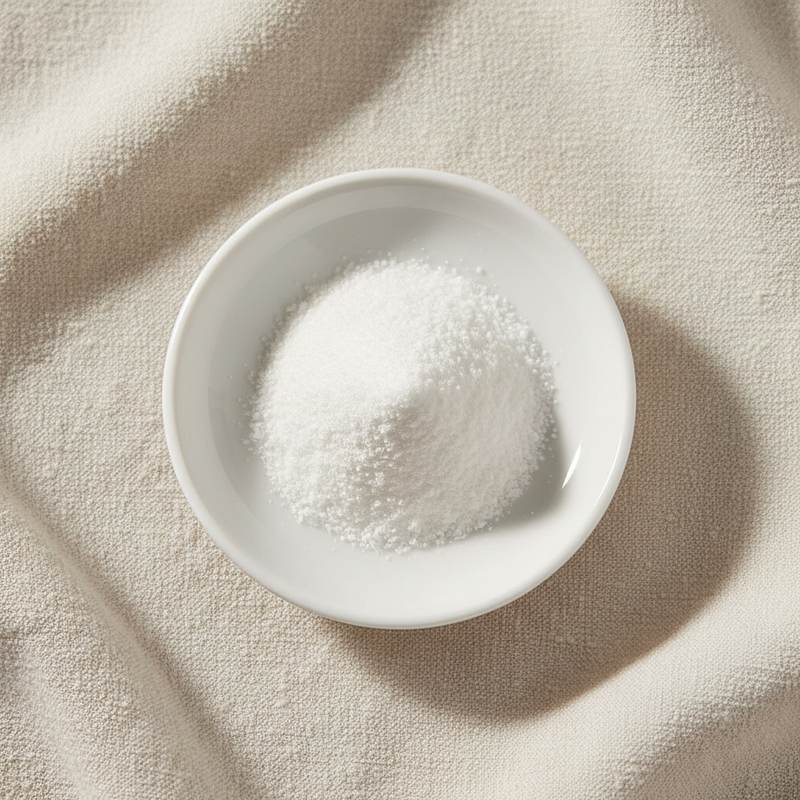
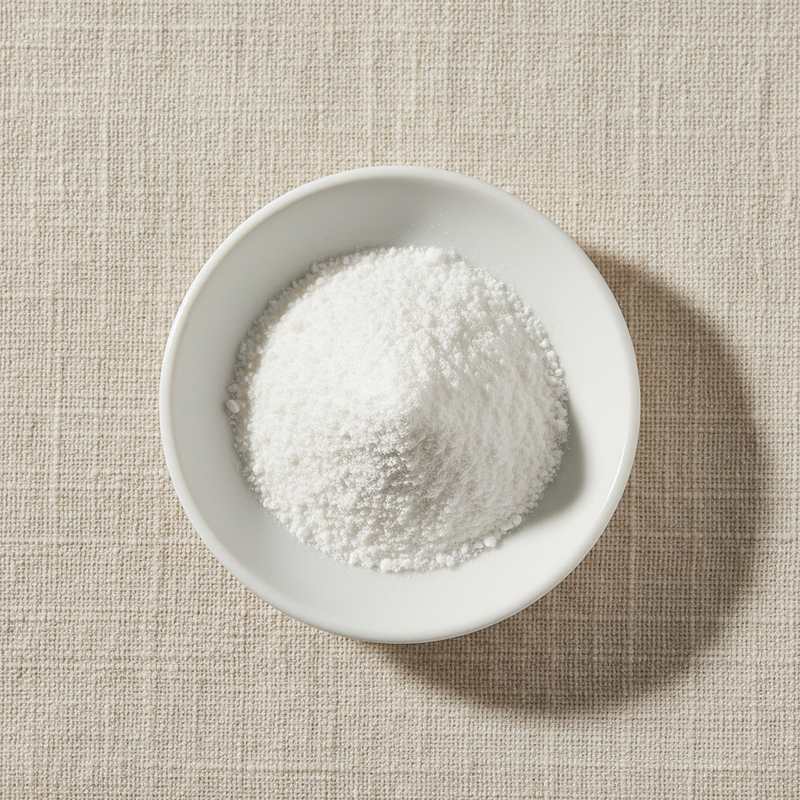
White to slightly yellow crystalline powder. Highly water-soluble with neutral pH (7 to 8 in solution), distinct from Ascorbic Acid which contributes meaningful sourness and pH drop.
We supply food-grade and pharmaceutical-grade Sodium Ascorbate from manufacturers in China holding ISO, Halal, Kosher and other certifications relevant to the product and production.
Common market grades include Standard Food Grade (FCC compliant), Pharmaceutical Grade meeting BP/USP/EP specifications, Direct-Compression (DC) grade for tableting, and finer mesh sizes for spray-drying carrier and beverage applications.
Bulk and reduced-MOQ shipments. Batch-level COA covering assay, specific rotation, sodium content, heavy metals, and microbiology.
Introduction
Sodium Ascorbate is the sodium salt of L-ascorbic acid (Vitamin C), produced industrially by neutralizing Ascorbic Acid with sodium carbonate or sodium bicarbonate.
The compound retains the full antioxidant capacity of Ascorbic Acid (the L-ascorbate ion is the active reducing agent) while eliminating the acidulant function and shifting solution pH from approximately 2.5 (Ascorbic Acid) to 7 to 8 (Sodium Ascorbate).
Regulated as E301 in the EU, classified as Generally Recognized as Safe by the U.S. FDA, listed in BP, USP, EP, and JP pharmacopoeias, and approved by JECFA without a numerical Acceptable Daily Intake limit.
The molecule is the bioequivalent Vitamin C source for nutrition labeling: 1 gram of Sodium Ascorbate provides 0.889 grams of Vitamin C activity (the difference being the bound sodium). Sodium content is approximately 11.1 percent by weight, a consideration in low-sodium product formulation.
Strategic positioning targets two principal markets: cured meat manufacturing where the salt form's neutral pH avoids the acid bite that Ascorbic Acid would contribute, and pharmaceutical/clinical Vitamin C delivery where parenteral and oral formulations require pH-neutral active ingredients.
Where it is used
- Cured meat applications: ham, sausage, bacon, and deli meats; the dominant antioxidant and color-fixing agent in this category
- Vitamin C fortification of beverages, juices, and dairy products where pH must remain neutral
- Pharmaceutical injectable formulations and intravenous Vitamin C therapy
- Dietary supplements: tablets, capsules, gummies, and powdered mixes
- Ready-to-eat refrigerated meals as antioxidant and color preservation
- Frozen prepared foods and frozen meat products
- Bakery products: dough conditioner and oxidation control in bread improvers
- Wine antioxidant and oxygen scavenger
- Pet food fortification and oxidation prevention
Technical data
| Item | Specification |
|---|---|
| Appearance | White to slightly yellow crystalline powder |
| Assay (dry basis) | 99.0% to 100.5% |
| Specific rotation | +103° to +108° |
| Loss on drying | ≤ 0.25% |
| pH (10% solution) | 7.0 to 8.0 |
| Heavy metals (as Pb) | ≤ 10 mg/kg |
| Arsenic | ≤ 3 mg/kg |
| Sodium content | 10.6% to 11.6% |
| Particle size | Per customer specification |
Related ingredients
Ready to discuss business?
Send us your spec and requirement. We will respond with availability and pricing within 24 hours.