Description
The fat-soluble ester of Ascorbic Acid and Palmitic Acid, providing Vitamin C antioxidant function in oil and fat phases where pure Ascorbic Acid would not partition. Frequently used in synergy with tocopherol for layered fat-phase oxidation protection.
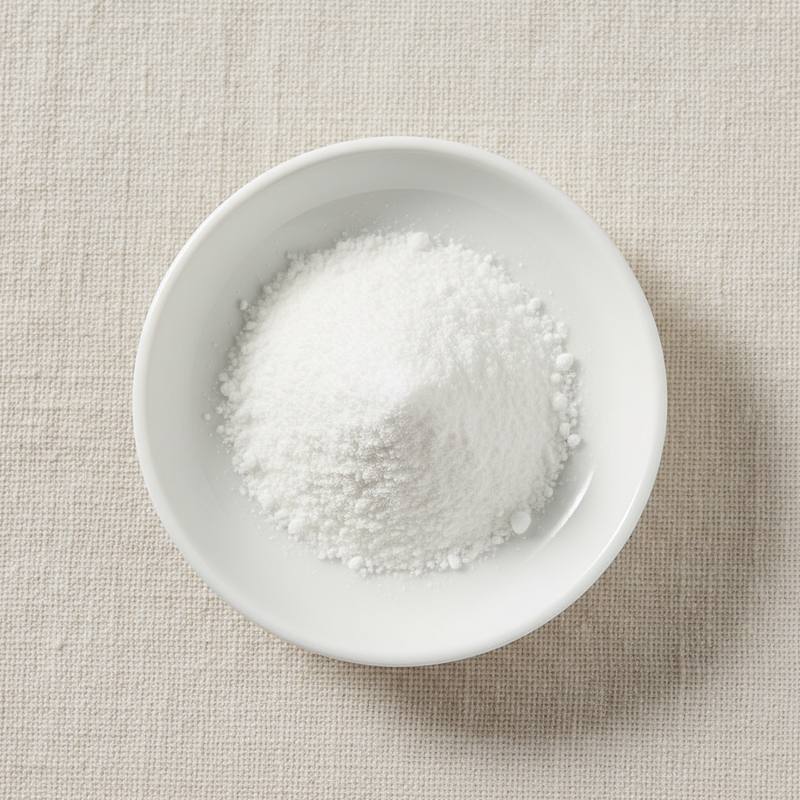
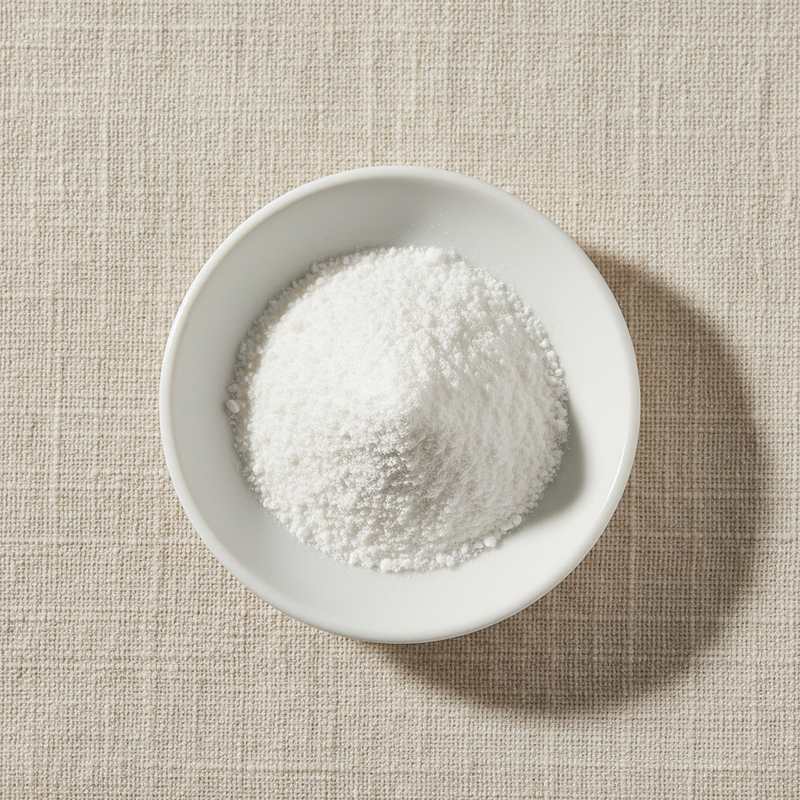
White to yellowish-white powder. Limited water solubility but readily soluble in fats and oils, expanding the application range of Vitamin C antioxidant function beyond aqueous systems.
We supply food-grade and pharmaceutical-grade Ascorbyl Palmitate from manufacturers in China holding ISO, Halal, Kosher and other certifications relevant to the product and production.
Common market grades include Standard Food Grade (95 to 100.5 percent assay, FCC compliant), Pharmaceutical Grade meeting BP/USP/EP specifications, and pre-blended Ascorbyl Palmitate with tocopherol or rosemary extract for synergistic natural-positioning antioxidant systems.
Bulk and reduced-MOQ shipments. Batch-level COA covering assay, melting point, specific rotation, heavy metals, and microbiology.
Introduction
Ascorbyl Palmitate is the fatty-acid ester of Ascorbic Acid, produced by esterification of L-ascorbic acid with palmitic acid (a 16-carbon saturated fatty acid). The ester linkage converts water-soluble Vitamin C into a fat-soluble derivative that retains antioxidant activity in lipid phases.
Industrial production proceeds by direct esterification under controlled vacuum and temperature, followed by purification through recrystallization. The product is hydrolyzed slowly in the human digestive tract to release Ascorbic Acid and palmitic acid as separate metabolites.
Regulated as E304 in the EU, classified as Generally Recognized as Safe by the U.S. FDA, listed in BP, USP, EP, and JP pharmacopoeias, and approved by JECFA with an Acceptable Daily Intake of 1.25 mg per kg body weight.
The molecule's value proposition is fat-phase compatibility: pure Ascorbic Acid is water-soluble and cannot effectively protect oil and fat phases against oxidation. Ascorbyl Palmitate partitions into the fat phase where lipid oxidation actually occurs, providing antioxidant protection at the chemical interface where it matters.
Strategic role in food and supplement manufacturing centers on synergy with tocopherol: vitamin E tocopherols protect lipids from oxidation but become exhausted (as oxidized tocopheryl radicals) over time. Ascorbyl Palmitate regenerates oxidized tocopherol back to active form, extending the effective antioxidant capacity of mixed-tocopherol systems substantially beyond what either ingredient achieves alone.
Where it is used
- Vegetable oils and fats; fat-soluble Vitamin C antioxidant for oxidation protection
- Margarine, butter, and spread applications
- Frozen meat products and pet food; oxidation protection in lipid-rich systems
- Pharmaceutical oil-based formulations and topical preparations
- Cosmetic skincare: anti-aging serums, sunscreens, and lipid-based creams
- Dietary supplements containing oil-based active ingredients
- Infant formula and clinical nutrition formulas where fat-phase Vitamin C protection matters
- Bakery products containing fats: cookies, crackers, and shortening-based pastries
- Encapsulation matrix for oil-soluble vitamins and active ingredients
Technical data
| Item | Specification |
|---|---|
| Appearance | White to yellowish-white powder |
| Assay (HPLC) | 95.0% to 100.5% |
| Loss on drying | ≤ 2.0% |
| Melting range | 107 °C to 117 °C |
| Specific rotation | +21° to +24° |
| Heavy metals (as Pb) | ≤ 10 mg/kg |
| Arsenic | ≤ 3 mg/kg |
| Free Ascorbic Acid | ≤ 1.0% |
| Particle size | Per customer specification |
Related ingredients
Ready to discuss business?
Send us your spec and requirement. We will respond with availability and pricing within 24 hours.