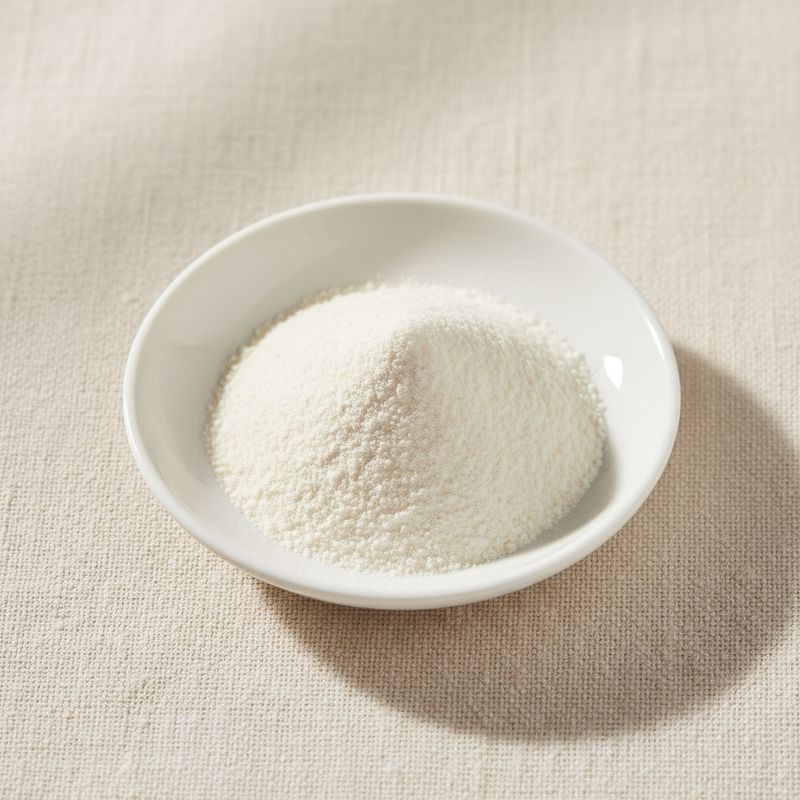
Description
The principal antioxidant diterpene from Rosmarinus officinalis, supplied as a high-purity isolated compound rather than a standardized whole-leaf extract. Used where formulation precision, label specificity, or research-grade purity is required, including high-value supplement, cosmetic, and pharmaceutical applications.
Yellowish-white to pale brown crystalline powder. Limited water solubility, soluble in food-grade ethanol, vegetable oils, and most organic solvents. Sensitive to alkaline conditions.
We supply food-grade and cosmetic-grade Carnosic Acid from manufacturers in China holding ISO, Halal, Kosher and other certifications relevant to the product and production.
Common market grades include 90 percent Carnosic Acid (the dominant food and cosmetic grade) and 98 percent Carnosic Acid (research and pharmaceutical applications). HPLC-validated purity is the principal quality marker.
Bulk and reduced-MOQ shipments. Batch-level COA covering carnosic acid content by HPLC, carnosol content, related-substance profile, heavy metals, and microbiology.
Introduction
Carnosic Acid is a phenolic diterpene first isolated from Rosmarinus officinalis (rosemary) and Salvia officinalis (sage). It is the primary antioxidant compound in both species and the principal marker for standardized rosemary extract used as a food antioxidant.
Industrial production proceeds by ethanol or supercritical CO2 extraction of dried rosemary leaves followed by repeated chromatographic purification and crystallization. The purification chain from whole-leaf to 90 percent Carnosic Acid involves significant cost and yield loss, which is the reason high-purity Carnosic Acid sells at a substantial premium to standardized rosemary extract.
The molecule's antioxidant activity is among the most potent of plant-derived compounds, exceeding alpha-tocopherol in standard radical-scavenging assays. Carnosic Acid donates hydrogen atoms from its catechol moiety to peroxyl radicals, producing carnosol as the principal oxidation product. Both Carnosic Acid and carnosol are antioxidant-active, though carnosol is somewhat less potent.
Regulatory status as a food ingredient is covered under rosemary-extract approvals (E392 in the EU, GRAS in the United States) rather than as a standalone additive. As an isolated compound, Carnosic Acid is used principally in supplement, cosmetic, and pharmaceutical applications where ingredient declaration of a specific named compound is preferred over a botanical-extract declaration.
Strategic position is at the top of the rosemary-antioxidant value chain. Volume is modest compared with standardized rosemary extract but price-per-unit is substantially higher, and the segment serves specific high-value applications where the standardized extract does not meet purity or labeling requirements.
Where it is used
- High-potency natural antioxidant for vegetable oils, fish oils, and omega-3 supplement applications
- Anti-aging cosmetic serums and high-value skincare formulations
- Dietary supplements positioned for cognitive health, anti-inflammatory function, and antioxidant labeling
- Pharmaceutical research applications and active ingredient formulation
- Premium pet food and pet supplement applications
- Functional beverages where standardized active-compound labeling is required
- Topical and oral mucosa preparations where specific compound declaration is preferred
- Sports nutrition and recovery formulations
Technical data
| Item | Specification |
|---|---|
| Appearance | Yellowish-white to pale brown crystalline powder |
| Carnosic acid (HPLC) | ≥ 90% / 98% (grade dependent) |
| Carnosol | ≤ 5% |
| Loss on drying | ≤ 3.0% |
| Residue on ignition | ≤ 2.0% |
| Heavy metals (as Pb) | ≤ 2 mg/kg |
| Total plate count | ≤ 1000 cfu/g |
| Residual solvents | Meets ICH Q3C limits |
Related ingredients
Ready to discuss business?
Send us your spec and requirement. We will respond with availability and pricing within 24 hours.