Description
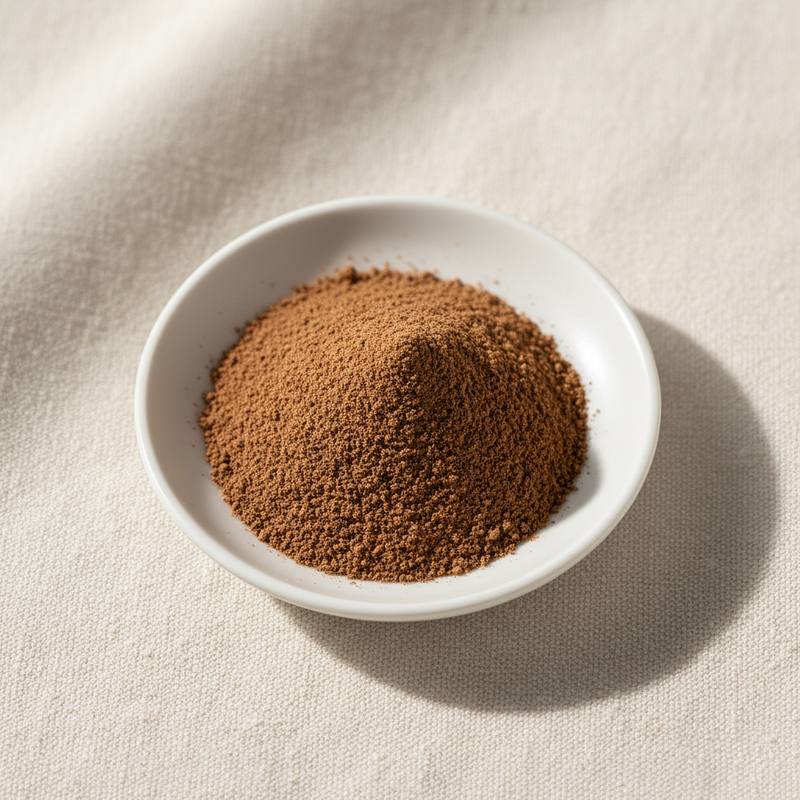
A maltodextrin produced under controlled Maillard conditions to develop natural caramelized color and a mild toasted-grain flavor profile. Functions as both a bulking agent and a clean-label color and flavor contributor.
Light tan to brown free-flowing powder. Dextrose Equivalent of 10 to 20, mild sweetness, freely soluble in water with a pale brown solution color.
We supply food-grade Brown Maltodextrin from manufacturers in China holding ISO, Halal, Kosher and other certifications relevant to the product and production.
Common market grades include Standard Brown Maltodextrin DE 10 to 20, Light Brown grades for subtle color contribution, and Dark Brown grades where stronger caramelized color and flavor are required, all with 95 percent or more passing 40 mesh.
Bulk and reduced-MOQ shipments. Batch-level COA covering DE, sulphur dioxide, ash, heavy metals, and microbiology.
Introduction
Brown Maltodextrin is produced by the same enzymatic starch-hydrolysis process as standard Maltodextrin, with a controlled Maillard browning step at the end to develop color and characteristic flavor.
The browning is achieved by holding the syrup at elevated temperature in the presence of trace amino-acid co-substrates, then spray-drying. The process produces compounds chemically related to those in caramel color and toasted breads, but at much lower intensity, yielding a clean-label ingredient that can replace caramel color in certain finished products.
Recognized as a permitted food ingredient by the U.S. FDA and the European Food Safety Authority. No Acceptable Daily Intake is assigned, reflecting status as a digestible food carbohydrate.
Caloric value is 4 kcal per gram, identical to other digestible carbohydrates. The glycemic index is comparable to standard Maltodextrin, in the 80 to 100 range depending on DE.
Strategic value comes from the dual function: a single ingredient provides both the bulk replacement that sugar-reduction reformulation requires and the natural brown color that the original sucrose-containing product carried. This eliminates a separate caramel-color line item and supports a cleaner ingredient deck.
Where it is used
- Sauces, gravies, and savory mixes that require natural color and bulk: gravies, demi-glace bases, and stew thickeners
- Coffee creamers, instant cappuccino, and Latin-style milk drinks; provides body and toasted-caramel notes
- Bakery glazes, cookie fillings, and bread dough conditioners; supports color and surface gloss
- Confectionery fillings, caramel-toned center fillings, and dragee coatings
- Frozen desserts including coffee, caramel, and toffee ice cream variants
- Snack seasoning blends, especially BBQ, brown sugar, and steakhouse profiles
- Sugar-free and reduced-sugar reformulation projects where the standard white Maltodextrin would leave the finished product visibly paler than the conventional reference
- Pet food and pet treats; brown color and palatability
- Clean-label color replacement for caramel color (E150) in select applications
Technical data
| Item | Specification |
|---|---|
| Appearance | Light tan to brown free-flowing powder |
| Dextrose Equivalent (DE) | 10 to 20 |
| Moisture | ≤ 6.0% |
| pH (10% solution) | 4.5 to 6.5 |
| Ash (sulfated) | ≤ 0.6% |
| Sulphur dioxide | ≤ 20 mg/kg |
| Particle size | ≥ 95% through 40 mesh |
| Heavy metals (as Pb) | ≤ 10 mg/kg |
| Lead (as Pb) | ≤ 0.5 mg/kg |
| Arsenic (as As) | ≤ 0.5 mg/kg |
Related ingredients
Ready to discuss business?
Send us your spec and requirement. We will respond with availability and pricing within 24 hours.