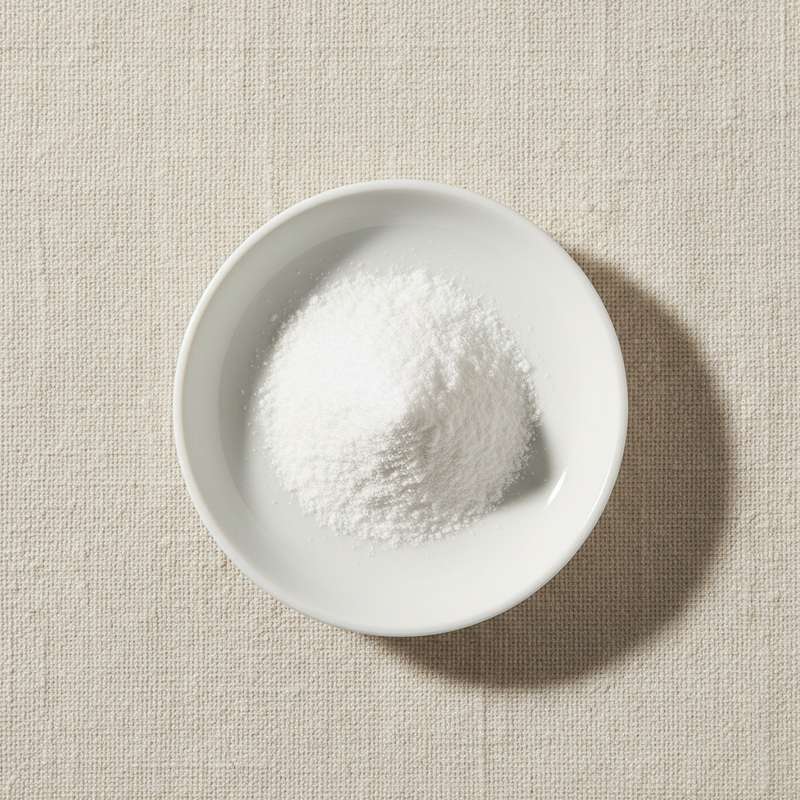
Description
Vitamin D3 produced from lichen sources rather than the conventional lanolin (sheep wool fat) feedstock, qualifying the finished product as vegan and supporting plant-based dietary supplement applications. Chemically identical to conventional D3 but with plant-sourced documentation.
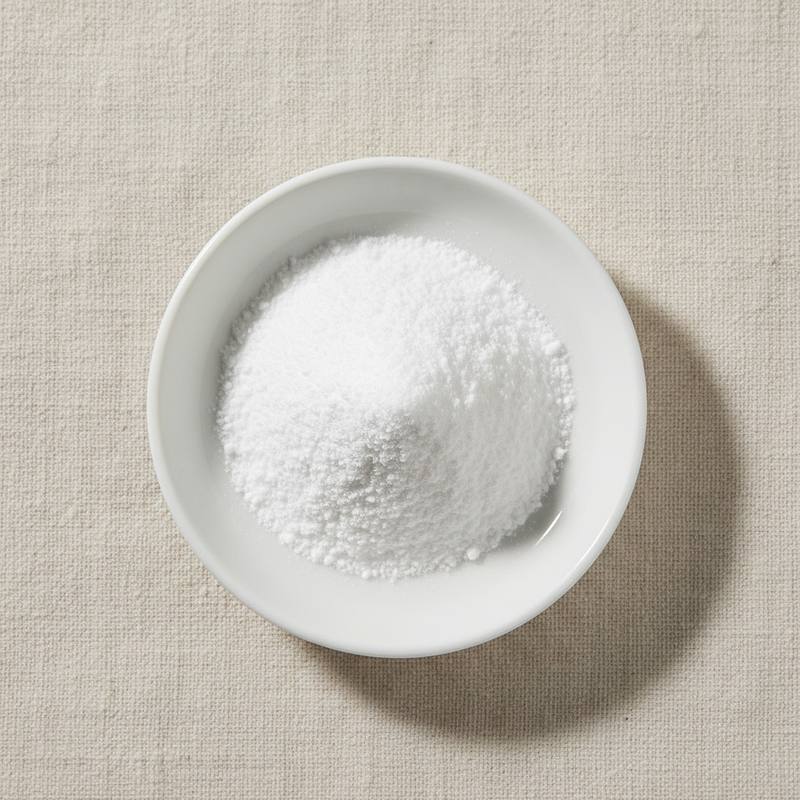
Pale yellow oil concentrate or free-flowing powder (CWS beadlets), depending on application format. The vegan certification is the differentiator; functional behavior is identical to conventional D3.
We supply vegan-certified Vitamin D3 from manufacturers in China holding ISO, Halal, Kosher, Vegan, and other certifications relevant to the product and production. Lichen source documentation is provided with every shipment.
Common market grades include Vegan D3 Oil 1 million IU/g, Vegan D3 100 CWS (100,000 IU/g powder), Vegan D3 500 CWS (500,000 IU/g powder), and pre-blended Vegan D3 systems for vegan multivitamin manufacturing.
Bulk and reduced-MOQ shipments. Batch-level COA covering potency, source documentation, vegan certification, peroxide value, heavy metals, and microbiology.
Introduction
Vegan Vitamin D3 is produced by ultraviolet irradiation of 7-dehydrocholesterol extracted from lichen sources, rather than the conventional lanolin source. The resulting cholecalciferol is chemically identical to conventional Vitamin D3.
Production proceeds by extraction of 7-dehydrocholesterol from cultivated or harvested lichen biomass, then UV irradiation under controlled wavelength and intensity to convert to D3. The finished product is then formulated to standard grades (oil, CWS, crystalline) identical to conventional D3 formats.
Regulatory status matches that of conventional D3 (GRAS in the U.S., approved globally for food use). The vegan certification is an additional layer of supply-chain documentation rather than a different regulatory category.
The vegan D3 category emerged commercially around 2010 and has grown substantially driven by plant-based dietary expansion. Before vegan D3 was available, plant-based supplements could only use Vitamin D2 (catalog id 7903), which has some bioefficiency disadvantages versus D3.
Strategic positioning targets the vegan and plant-based supplement segment specifically. Cost is meaningfully higher than conventional lanolin-derived D3 due to the more expensive lichen feedstock and additional supply-chain documentation, limiting use to applications where vegan certification is part of the finished-product value proposition.
Where it is used
- Vegan and plant-based dietary supplements: standalone D3 and multivitamin formulations
- Vegan fortified plant-based milks: almond, oat, soy, and rice milk fortification
- Vegan-certified fortified-food applications
- Vegan infant formula manufacturing (where regulatory approval applies)
- Vegan-positioning pharmaceutical and clinical-nutrition formulations
- Premium plant-based pet food and pet supplement applications
- Vegan-certified cosmetic and skincare D3 applications
Technical data
| Item | Specification |
|---|---|
| Appearance | Pale yellow oily liquid or free-flowing powder |
| Potency | 100,000 to 1,000,000 IU/g (grade dependent) |
| Source | Lichen-derived 7-dehydrocholesterol |
| Vegan certification | Vegan Society / V-Label certified |
| Related substances | ≤ 3.0% |
| Peroxide value | ≤ 10 meq/kg |
| Heavy metals (as Pb) | ≤ 10 mg/kg |
| Available forms | Oil, 100 CWS, 500 CWS |
Related ingredients
Ready to discuss business?
Send us your spec and requirement. We will respond with availability and pricing within 24 hours.