Description
The plant-derived (mushroom-source) form of Vitamin D, used in vegan supplements, vegetarian-positioning fortified foods, and clinical applications where Vitamin D2 specifically is required. Less commercially common than Vitamin D3 but the preferred form for vegan formulations historically.
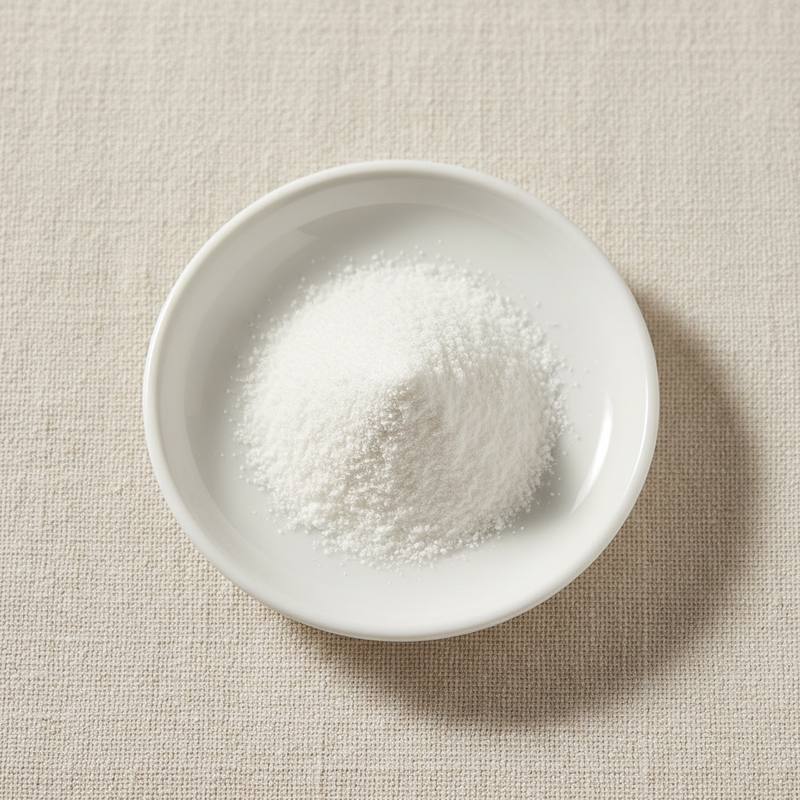
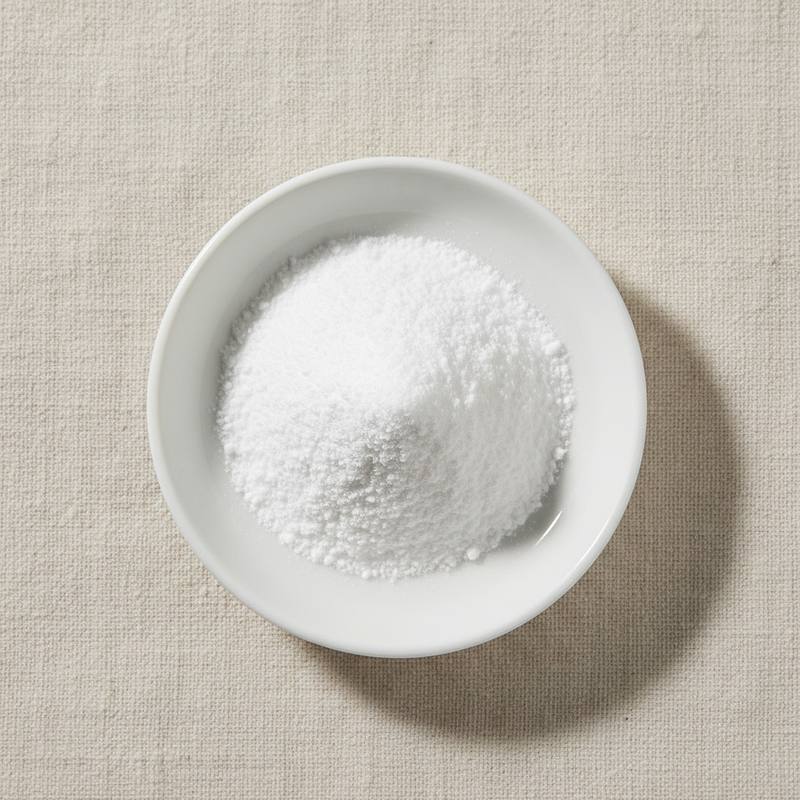
White or off-white crystalline powder or pale yellow oily liquid. Highly oxidation-sensitive; requires sealed protected packaging.
We supply food-grade and pharmaceutical-grade Vitamin D2 from manufacturers in China holding ISO, Halal, Kosher and other certifications relevant to the product and production.
Common market grades include Crystalline D2 Pharmaceutical Grade, Vitamin D2 Oil (1 million IU/g standardized), Vitamin D2 Powder (spray-dried beadlets for dry fortification), and Pharmaceutical Grade meeting BP/USP/EP/JP specifications.
Bulk and reduced-MOQ shipments. Batch-level COA covering potency, related substances, peroxide value, heavy metals, and microbiology.
Introduction
Vitamin D2 was the first Vitamin D form to be chemically characterized, isolated from ergosterol in 1932. The 'D2' designation reflects its plant and fungal source, distinct from the animal-source Vitamin D3 (cholecalciferol).
Industrial production proceeds by ultraviolet irradiation of ergosterol extracted from yeast (Saccharomyces cerevisiae) or mushroom sources, opening the steroid B-ring to yield ergocalciferol (D2).
Recognized as a permitted food ingredient by the U.S. FDA, the European Food Safety Authority, and equivalent regulators worldwide. Listed in BP, USP, EP, and JP pharmacopoeias. Considered nutritionally equivalent to D3 in most clinical contexts, with some research suggesting slightly lower bioefficiency at equivalent IU doses.
The vitamin's commercial positioning has shifted since 2010: historically D2 was the only practical plant-derived option for vegan supplements, but the development of lichen-derived D3 has provided a plant-source alternative with the D3 stereochemistry that some research suggests is more bioefficient. As a result, D2 has lost market share in the vegan supplement segment to lichen-D3.
Strategic positioning today centers on pharmaceutical and clinical applications where D2 specifically is the prescribed form (some prescription Vitamin D protocols specify D2), and on cost-driven fortified-food applications where the D3 versus D2 distinction is not commercially material.
Where it is used
- Vegan and vegetarian dietary supplements; the historical plant-source Vitamin D option before lichen-derived D3 became available
- Vegan and plant-based fortified foods: plant-milk fortification, vegan cereals, and meatless products
- Pharmaceutical applications: tablets, capsules, oral solutions, prescription Vitamin D therapy
- Clinical nutrition formulations
- Mushroom industry: UV-irradiated mushrooms naturally develop Vitamin D2 content as a marketing claim
- Specialty fortified foods positioned for plant-based markets
- Pharmaceutical research and clinical study applications
Technical data
| Item | Specification |
|---|---|
| Appearance | White to off-white crystalline powder or pale yellow oil |
| Potency (IU/g) | 100,000 to 40,000,000 (grade dependent) |
| Specific rotation (crystalline) | +103° to +112° |
| Related substances | ≤ 3.0% |
| Peroxide value | ≤ 10 meq/kg |
| Heavy metals (as Pb) | ≤ 10 mg/kg |
| Arsenic | ≤ 3 mg/kg |
| Available forms | Crystalline, Oil, Powder |
Related ingredients
Ready to discuss business?
Send us your spec and requirement. We will respond with availability and pricing within 24 hours.