Description
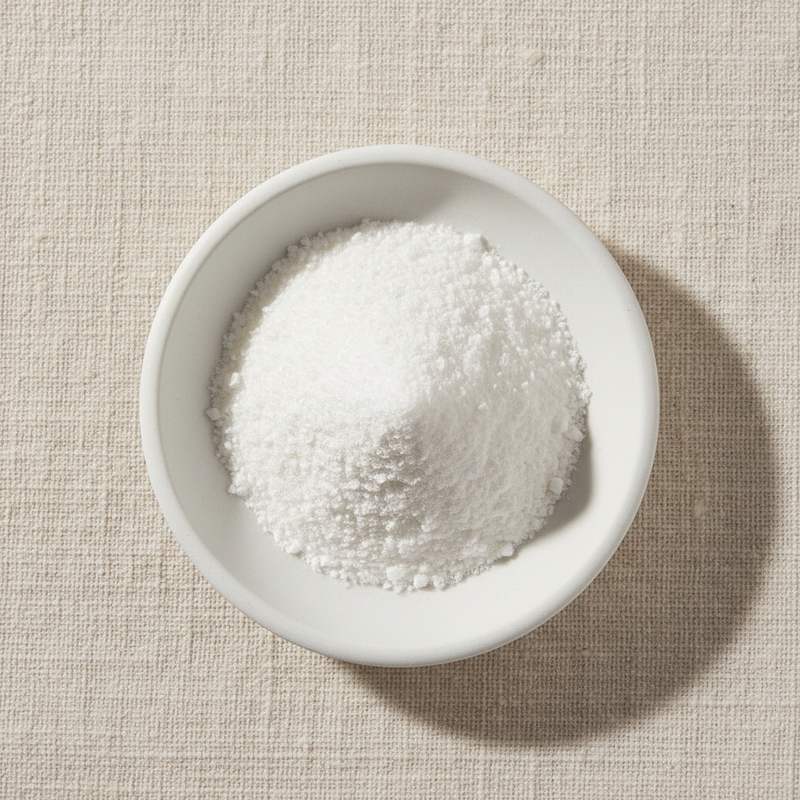
The sodium salt of inositol hexaphosphate (IP6), supplied as a free-flowing solid for dry-blend applications where the acidic free-acid form would shift product pH unacceptably.
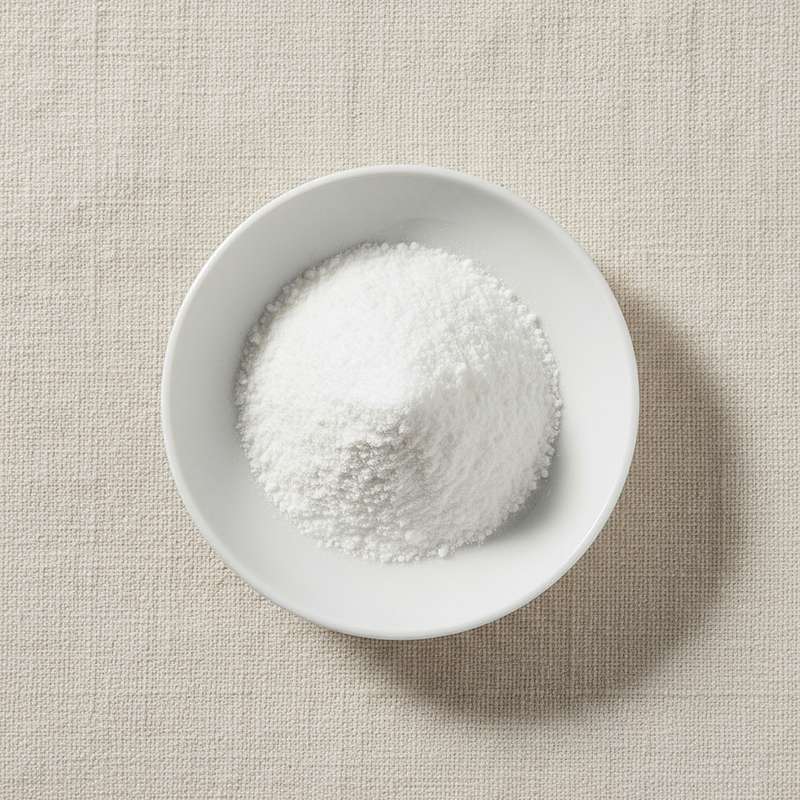
White to pale yellow powder, freely soluble in water. Neutral to mildly alkaline in solution, distinguishing it from the strongly acidic free phytic acid.
We supply Sodium Phytate from manufacturers in China holding ISO, Halal, Kosher and other certifications relevant to the product and production.
Common market grades include food-grade sodium phytate for dry-blend processing applications, supplement-grade IP6 positioned for nutraceutical formulations targeting inositol and antioxidant support, cosmetic-grade for personal-care chelation, and reagent grade for research use.
Bulk and reduced-MOQ shipments. Batch-level COA covering IP6 content, sodium content, free phosphate, heavy metals, and microbiology.
Introduction
Sodium Phytate is produced by neutralization of phytic acid with sodium hydroxide or sodium carbonate to a controlled pH, followed by drying to yield a stable free-flowing powder. The salt form preserves the full chelating capacity of the parent acid while presenting in a neutral-to-mildly-alkaline matrix suitable for direct incorporation into dry-blend products.
Source material for industrial production is the same rice bran or corn-steep liquor used for phytic acid extraction. The sodium-neutralization step is a downstream conversion, with the resulting product specified by IP6 content rather than total phosphorus alone.
Regulatory status varies by jurisdiction. In Japan and several Asian markets, sodium phytate is a permitted food additive for the listed applications. In other markets, the compound is sold as a dietary supplement ingredient or a cosmetic chelator rather than a food additive. Customers should verify destination-market status before specification.
Mechanism is identical to phytic acid in terms of metal chelation but operates at a near-neutral pH that does not require post-addition pH correction. This makes sodium phytate the preferred form for direct-blend supplement powders, ready-to-drink beverages with neutral pH, and personal-care products where free acid would denature proteins or shift formulation viscosity.
Strategic positioning: Sodium Phytate is the practical formulation form of IP6 for most modern applications. Free phytic acid solutions dominate fresh-cut produce treatment and oil-phase chelation; the sodium salt dominates dry blends, supplements, and neutral-pH liquid systems. Both share the natural-source plant-derived positioning that differentiates IP6 from synthetic chelators.
Where it is used
- Chelating agent in dry-blend food and supplement applications where free phytic acid pH would be unacceptable
- IP6 supplement ingredient marketed for antioxidant, mineral-balance, and cellular-health positioning
- Anti-browning component in fresh-cut produce treatment systems
- Color and flavor stabilizer in canned and processed-meat applications
- Personal-care chelator in shampoos, skin treatments, and oxidation-sensitive cosmetic formulations
- Crustacean melanosis inhibitor as part of phosphate-free seafood treatment systems
- Industrial corrosion inhibitor and surface-treatment ingredient
- Research reagent in mineral-bioavailability and signaling-pathway studies
Technical data
| Item | Specification |
|---|---|
| Appearance | White to pale yellow powder |
| Assay (IP6, dry basis) | ≥ 70.0% |
| Sodium content | 14.0% to 18.0% |
| Phosphorus content | ≥ 20.0% |
| Free phosphate (as PO4) | ≤ 1.0% |
| pH (1% solution) | 6.0 to 8.0 |
| Loss on drying | ≤ 5.0% |
| Heavy metals (as Pb) | ≤ 10 mg/kg |
| Arsenic | ≤ 3 mg/kg |
| Total plate count | ≤ 1,000 cfu/g |
Related ingredients
Ready to discuss business?
Send us your spec and requirement. We will respond with availability and pricing within 24 hours.