Description
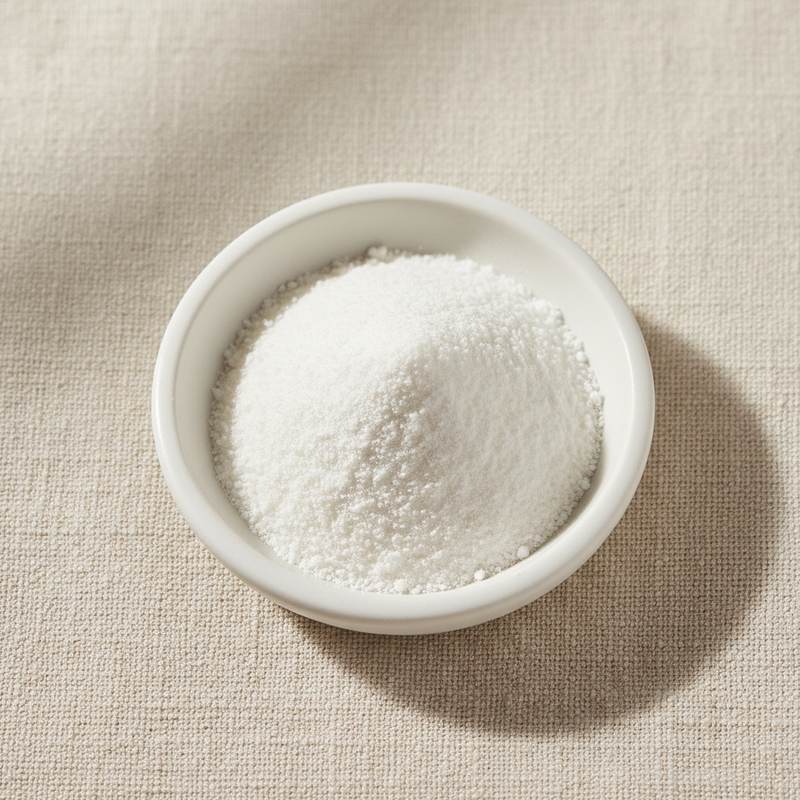
A six-carbon sugar alcohol that functions as the structural backbone of phosphatidylinositol and inositol phosphates, central to insulin signalling, neurotransmitter regulation, and cellular calcium release. myo-Inositol is the dominant naturally occurring stereoisomer and the form used in supplement formulation.
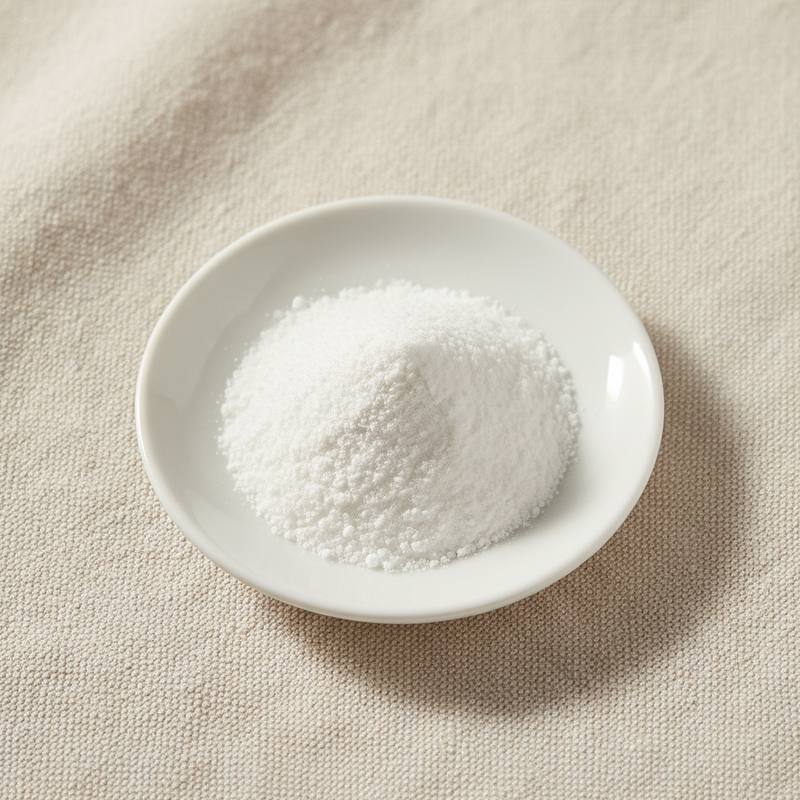
White crystalline powder with a faintly sweet taste, roughly half the sweetness of sucrose. Highly water-soluble. Stable through standard supplement and food-processing temperatures, with a melting point above 220 °C.
We supply food-grade Inositol from manufacturers in China holding ISO, Halal, Kosher and other certifications relevant to the product and production. USP, BP, and CP pharmaceutical-grade material is available on request.
Common market grades include 98 percent and 99 percent purity USP-grade myo-Inositol, fine-mesh material for tablet and capsule fill, granular grades for direct compression, and a 40:1 D-chiro-Inositol blend used in PCOS and metabolic-health formulations. The D-chiro-Inositol stereoisomer is supplied as a separate ingredient.
Bulk and reduced-MOQ shipments. Batch-level COA covering assay, optical rotation, related substances, residual solvents, heavy metals, and microbiology.
Introduction
Inositol was first isolated from muscle tissue by Johann Joseph Scherer in 1850 and characterised as a sugar alcohol of biological significance. The molecule was historically grouped with the B-vitamins (occasionally called vitamin B8) before it was recognised that humans synthesise it from glucose and the vitamin designation was withdrawn.
Commercial production is predominantly from rice bran or corn-steep liquor, with phytate (inositol hexaphosphate) hydrolysed and the free myo-Inositol crystallised. Alternative routes from synthetic glucose conversion exist but the bran-derived material dominates the market.
Recognised as Generally Recognized as Safe by the U.S. FDA, approved as a food and supplement ingredient by EFSA, and approved as a nutrient for infant formula under both Codex and Chinese national standards. The molecule is required by regulation in infant formulas in many jurisdictions.
The two stereoisomers used in supplement practice are myo-Inositol (the abundant natural form, present in most cell membranes) and D-chiro-Inositol (a minor isomer produced by epimerisation in vivo, deficient in PCOS). The 40:1 ratio of myo to D-chiro that mirrors plasma physiology is the dominant clinical format in PCOS and fertility products.
Inositol is the structural unit of phosphatidylinositol and the inositol phosphate second messengers (IP3, IP4) that mediate calcium release from intracellular stores in response to G-protein-coupled receptor activation. This places the molecule at the centre of insulin, follicle-stimulating hormone, and many neurotransmitter signalling cascades.
Where it is used
- PCOS and women's reproductive-health supplements; the leading clinical application for myo-Inositol
- Mood, anxiety, and panic-disorder support formulations
- Metabolic-health and insulin-sensitivity supplements often paired with D-chiro-Inositol
- Cognitive and nootropic stacks supporting acetylcholine and serotonin signalling
- Fertility supplements for both female and male reproductive health
- Hair, skin, and nail formulations; a traditional inclusion in B-complex products
- Infant nutrition and growth formulas where it is a regulated nutrient
- Sports nutrition products targeting insulin response and recovery
- Liver-support and choline-pairing formulations
Technical data
| Item | Specification |
|---|---|
| Appearance | White crystalline powder |
| Assay (HPLC, dry basis) | ≥ 98.0% |
| Optical rotation | -0.3° to +0.3° (myo-isomer) |
| Loss on drying | ≤ 0.5% |
| Residue on ignition | ≤ 0.1% |
| Melting point | 222 °C to 227 °C |
| Heavy metals (as Pb) | ≤ 10 mg/kg |
| Arsenic | ≤ 2 mg/kg |
| Residual solvents | Meets ICH Q3C limits |
| Microbiology | Meets pharmacopoeial limits |
Related ingredients
Ready to discuss business?
Send us your spec and requirement. We will respond with availability and pricing within 24 hours.