Description
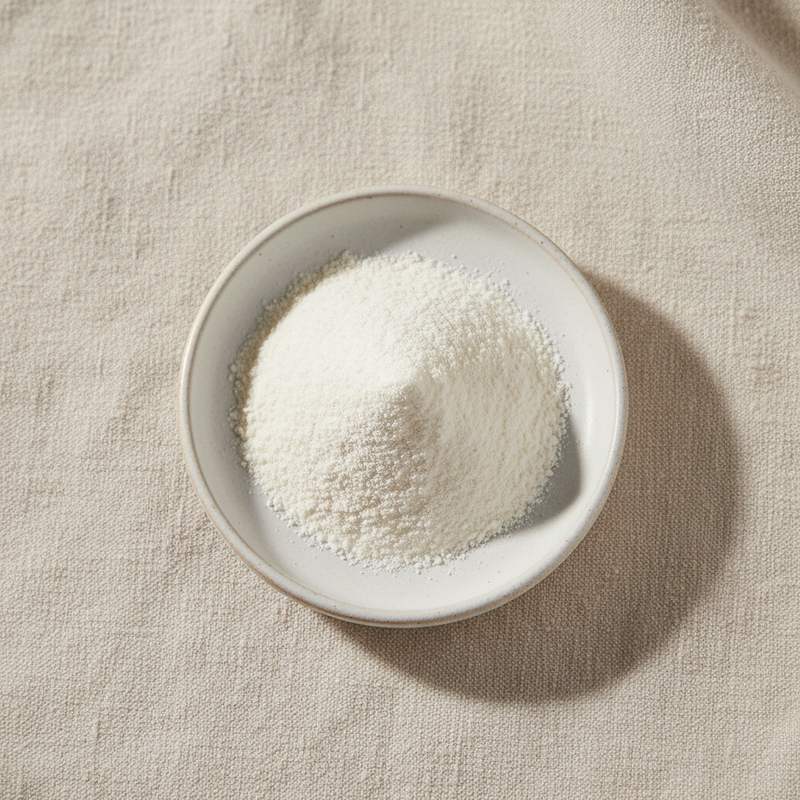
A standardized blend of non-starch polysaccharide degrading enzymes (xylanase, beta-glucanase, cellulase, and mannanase) used in cereal-based feed to reduce intestinal viscosity, release encapsulated nutrients from plant cell walls, and improve overall digestibility.
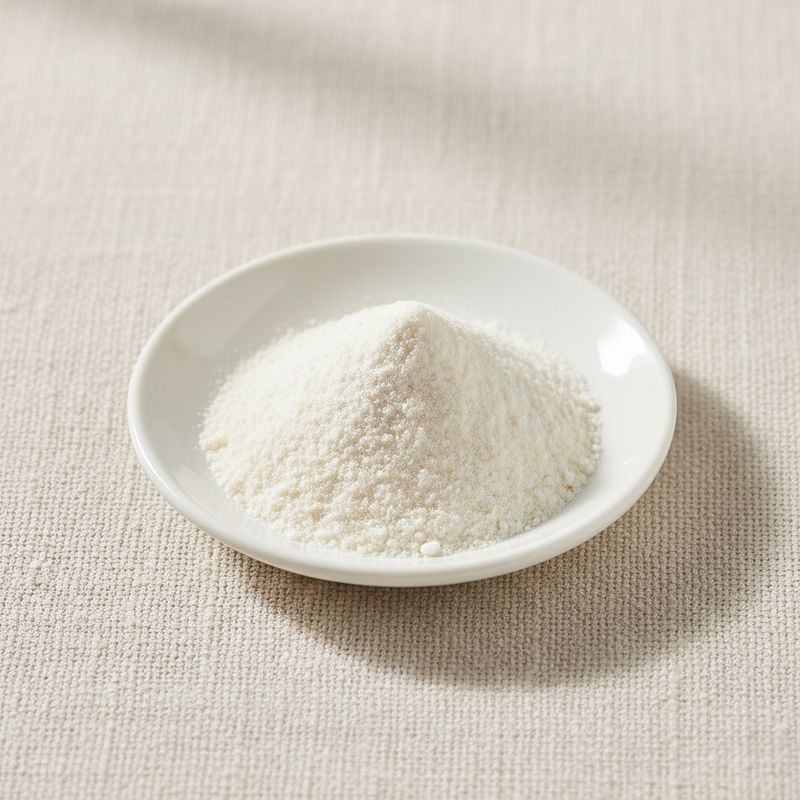
Free-flowing pale yellow to brown powder, or granulated for premix dust control. Coated and uncoated forms available, with coated formats preferred for pelleted feed conditioning above 80 degrees C.
We supply feed-grade Multi-Enzyme NSP blends from manufacturers in China holding ISO, FAMI-QS, and other certifications relevant to the product and production.
Common market formulations are species-specific (broiler, layer, swine, aquaculture) with the enzyme ratios optimized for each diet matrix. Liquid versions are available for post-pellet spray application where heat sensitivity is a concern.
Bulk and reduced-MOQ shipments. Batch-level COA covering each enzyme activity, moisture, heavy metals, and microbiology.
Introduction
Non-starch polysaccharides (NSPs) in cereal grains and oilseed meals (arabinoxylans in wheat, beta-glucans in barley, cellulose in all plant material, mannans in soybean) are indigestible by monogastric animals and aquatic species. Soluble NSPs increase intestinal viscosity, slowing digesta passage and reducing nutrient absorption, while insoluble NSPs encapsulate starch and protein within plant cell walls.
Exogenous NSP enzymes hydrolyze the bonds that animals lack the endogenous enzymes to break, releasing trapped nutrients and reducing viscosity. The functional effect is measurable in improved feed conversion (typically 2 to 5 percent), increased apparent metabolizable energy, and reduced wet litter or wet droppings in poultry.
Multi-enzyme blends are formulated to match the NSP profile of the target diet matrix. A wheat-based broiler diet needs strong xylanase activity, a barley-based diet needs both xylanase and beta-glucanase, and a corn-soy diet benefits more from cellulase and mannanase. Suppliers publish matrix values that allow nutritionists to reduce dietary energy and protein content while maintaining performance.
Approved as zootechnical feed additives in the EU under specific enzyme registrations, and globally as feed enzymes.
Where it is used
- Wheat, barley, rye, and oat-based broiler and layer feeds (high xylan and beta-glucan content)
- Corn-soy diets where soluble NSP from soybean meal limits digestibility
- Piglet weaner and grower feeds for digestibility improvement
- Aquaculture feeds containing plant protein replacements for fishmeal
- Reduced-energy and reduced-protein feed formulations using enzyme matrix values
- Calf milk replacers and starter feeds with plant protein inclusion
- Antibiotic-alternative programs (reduced gut viscosity disfavors pathogen proliferation)
- Component of integrated enzyme premixes alongside phytase and protease
Technical data
| Item | Specification |
|---|---|
| Appearance | Free-flowing pale yellow to brown powder or granules |
| Xylanase activity | ≥ 10,000 U/g (typical, varies by formulation) |
| Beta-glucanase activity | ≥ 2,000 U/g (typical) |
| Cellulase activity | ≥ 500 U/g (typical) |
| Mannanase activity | ≥ 200 U/g (typical) |
| Moisture | ≤ 8.0% |
| Heavy metals (as Pb) | ≤ 10 mg/kg |
| Salmonella | Absent in 25 g |
| Stability | 18 to 24 months at typical warehouse conditions |
Related ingredients
Ready to discuss business?
Send us your spec and requirement. We will respond with availability and pricing within 24 hours.