Description
A specialty cyclic anhydride preservative effective against yeasts, molds, and a broader bacterial spectrum than Benzoate or Sorbate. Used in pickled foods, cheese, and specialty cosmetic applications where the broader activity matters.
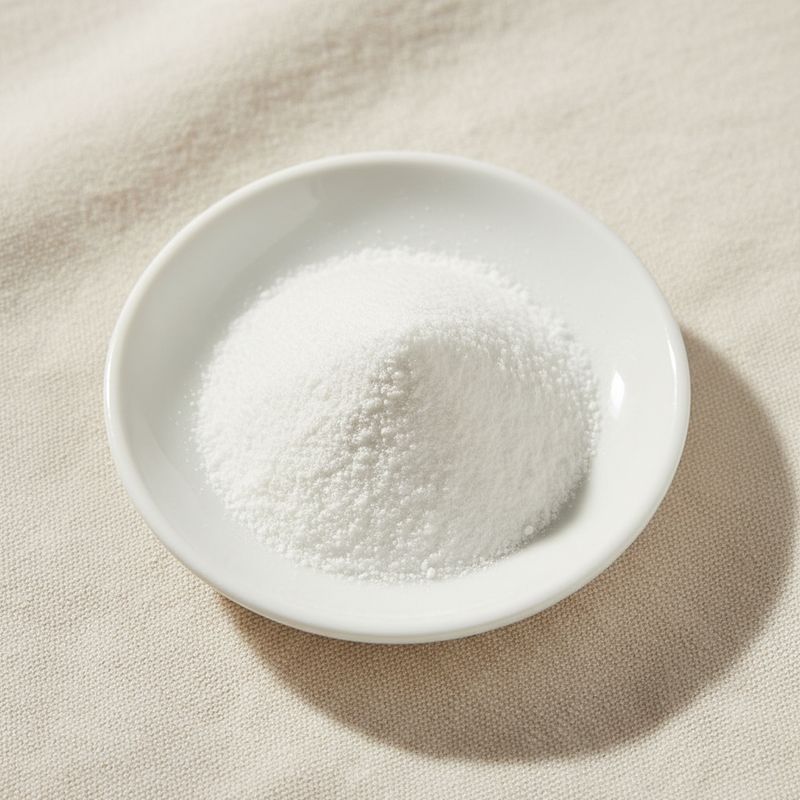
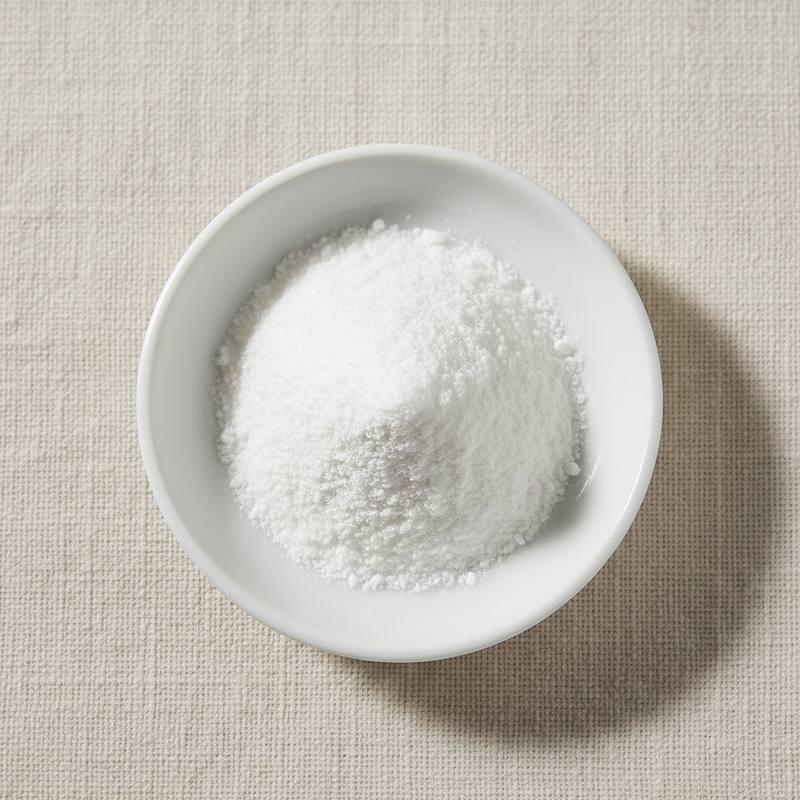
White or off-white crystalline powder with characteristic mild aroma. Limited water solubility; freely soluble in alcohol, oils, and alkaline solutions where it forms the corresponding sodium dehydroacetate salt.
We supply food-grade Dehydroacetic Acid from manufacturers in China holding ISO, Halal, Kosher and other certifications relevant to the product and production.
Common market grades include Standard Food Grade (the workhorse for pickled food and cheese applications), Sodium Dehydroacetate (the salt form for liquid applications and cosmetic formulations), and Cosmetic Grade meeting personal-care purity specifications.
Bulk and reduced-MOQ shipments. Batch-level COA covering assay, melting point, heavy metals, and microbiology.
Introduction
Dehydroacetic Acid was first synthesized in 1866 and developed as a commercial preservative through the mid-twentieth century. The compound has a distinctive cyclic structure (3-acetyl-6-methyl-2H-pyran-2,4(3H)-dione) that distinguishes it chemically from the open-chain organic acid preservatives.
Industrial production proceeds by self-condensation of two diketene molecules under acid catalysis, followed by purification and crystallization. The sodium salt form (Sodium Dehydroacetate) is produced by neutralization with sodium hydroxide.
Regulated as E265 in the EU (limited applications), classified as Generally Recognized as Safe by the U.S. FDA for specific applications, and approved by JECFA with an Acceptable Daily Intake of 0.6 mg per kg body weight.
The molecule's antimicrobial spectrum is broader than Benzoate or Sorbate, including activity against some Gram-negative bacteria and a wider range of yeasts. This broader spectrum is the basis for its use in cosmetic and personal-care preservation systems where the simpler organic acids are not sufficient.
Regulatory acceptance in food applications varies significantly by market: broadly used in China and parts of Asia, restricted use in EU and US food applications, and dominantly used in cosmetic and personal-care applications globally where regulatory acceptance is consistent.
Where it is used
- Cheese surface treatment as alternative to Natamycin in some markets
- Pickled vegetables and traditional Asian fermented foods
- Cosmetic and personal-care products: shampoos, lotions, and skincare formulations (Sodium Dehydroacetate form)
- Pharmaceutical topical preparations
- Pet food and animal feed preservation
- Specialty applications including textile and leather treatment
- Bakery applications in some Asian markets
- Industrial preservation of water-based emulsions and adhesives
Technical data
| Item | Specification |
|---|---|
| Appearance | White or off-white crystalline powder |
| Assay (dry basis) | ≥ 99.0% |
| Melting point | 109 °C to 112 °C |
| Loss on drying | ≤ 0.5% |
| Residue on ignition | ≤ 0.5% |
| Heavy metals (as Pb) | ≤ 10 mg/kg |
| Arsenic | ≤ 3 mg/kg |
| Particle size | Per customer specification |
Related ingredients
Ready to discuss business?
Send us your spec and requirement. We will respond with availability and pricing within 24 hours.