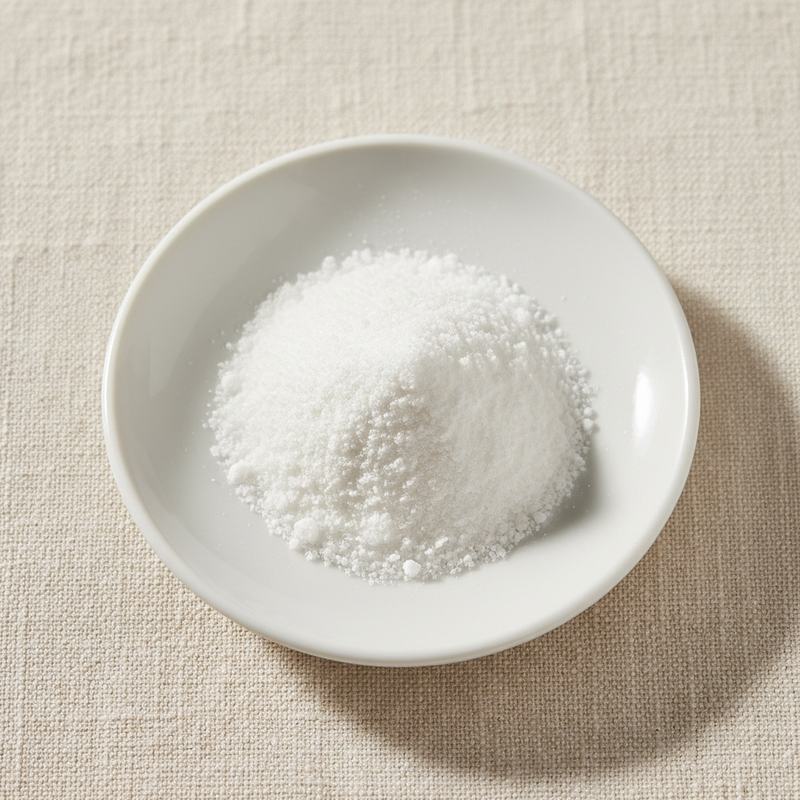
Description
The most widely used food preservative globally. Active against yeasts, molds, and acid-tolerant bacteria in low-pH applications. Sodium salt form chosen over the parent acid for its high water solubility (approximately 660 g/L at 20 °C).
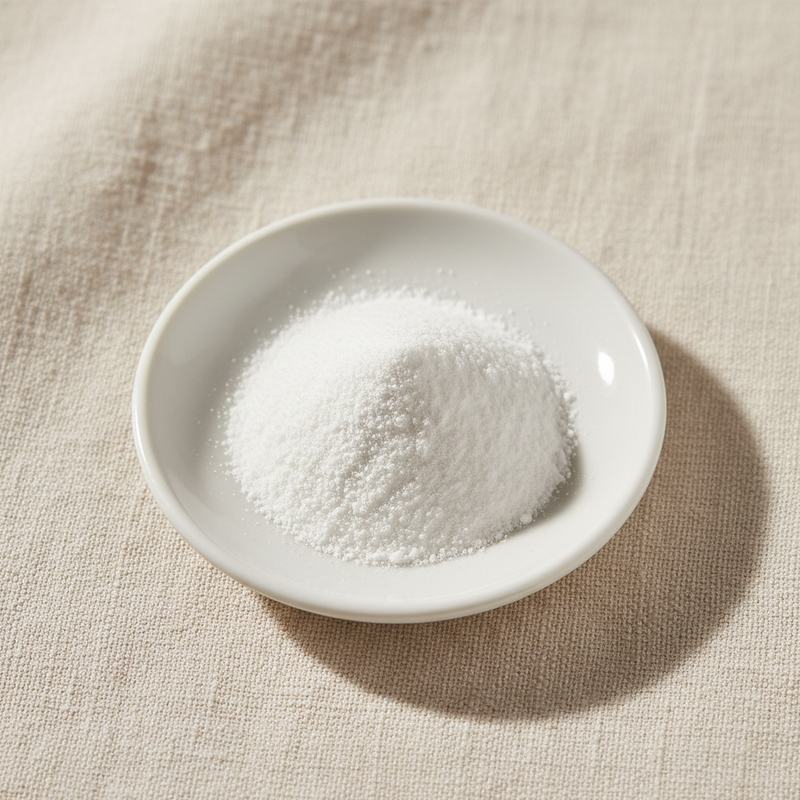
White crystalline powder or granules. Most effective at pH below 4.5, where the molecule shifts toward the active undissociated benzoic acid form. Above pH 5 the compound's antimicrobial activity drops sharply.
We supply food-grade and pharmaceutical-grade Sodium Benzoate from manufacturers in China holding ISO, Halal, Kosher and other certifications relevant to the product and production.
Common market grades include Standard Food Grade (FCC compliant), Pharmaceutical Grade meeting BP/USP/EP/JP specifications, and specialty mesh sizes from coarse granules to fine powder for direct compression and dry-blend applications.
Bulk and reduced-MOQ shipments. Batch-level COA covering assay, chloride, sulphate, heavy metals, and microbiology.
Introduction
Sodium Benzoate was first approved as a food preservative by the U.S. FDA in 1909 and remains the foundation of the modern preservative industry. The parent compound Benzoic Acid occurs naturally in cranberries, plums, prunes, and cinnamon at meaningful concentrations.
Industrial production proceeds by neutralization of Benzoic Acid with sodium hydroxide or sodium carbonate, followed by crystallization. Benzoic Acid in turn is produced by oxidation of toluene under cobalt or manganese catalysis.
Regulated as E211 in the EU, classified as Generally Recognized as Safe by the U.S. FDA, listed in BP, USP, EP, and JP pharmacopoeias, and approved by JECFA with an Acceptable Daily Intake of 5 mg per kg body weight (expressed as benzoic acid equivalents).
The molecule's antimicrobial action depends on pH: only the undissociated Benzoic Acid form is biologically active, and the equilibrium between dissociated benzoate ion and undissociated acid is governed by the pKa of 4.19. This explains why Sodium Benzoate is effective in soft drinks (pH around 3) but loses activity in neutral foods.
A formulation consideration is the potential for Sodium Benzoate to form trace benzene in the presence of vitamin C and metal catalysts, particularly under heat or light exposure. Modern beverage formulation manages this risk through chelation, light-protective packaging, and reduced ascorbic acid co-formulation where possible.
Where it is used
- Carbonated soft drinks and acidic fruit juices; the dominant preservative in this category globally, typically dosed at 150 to 250 mg per liter
- Pickles, sauerkraut, and acidic condiments including ketchup, salad dressings, and barbecue sauce
- Jams, jellies, fruit preserves, and dessert toppings
- Margarine, salad dressings, and acidic dairy applications
- Pharmaceutical syrups and oral solutions; preservative for aqueous formulations
- Cosmetics and personal-care products: shampoos, lotions, and toothpaste
- Soy sauce, oyster sauce, and other acidic Asian condiments
- Pet food and animal feed acidic preservation
- Industrial applications including water treatment and corrosion inhibition
Technical data
| Item | Specification |
|---|---|
| Appearance | White crystalline powder or granules |
| Assay (dry basis) | 99.0% to 100.5% |
| Loss on drying | ≤ 1.5% |
| Heavy metals (as Pb) | ≤ 10 mg/kg |
| Arsenic | ≤ 3 mg/kg |
| Chloride | ≤ 200 mg/kg |
| Acidity or alkalinity | Passes test |
| Readily oxidizable substances | Passes test |
| Particle size | Per customer specification |
Related ingredients
Ready to discuss business?
Send us your spec and requirement. We will respond with availability and pricing within 24 hours.