Description
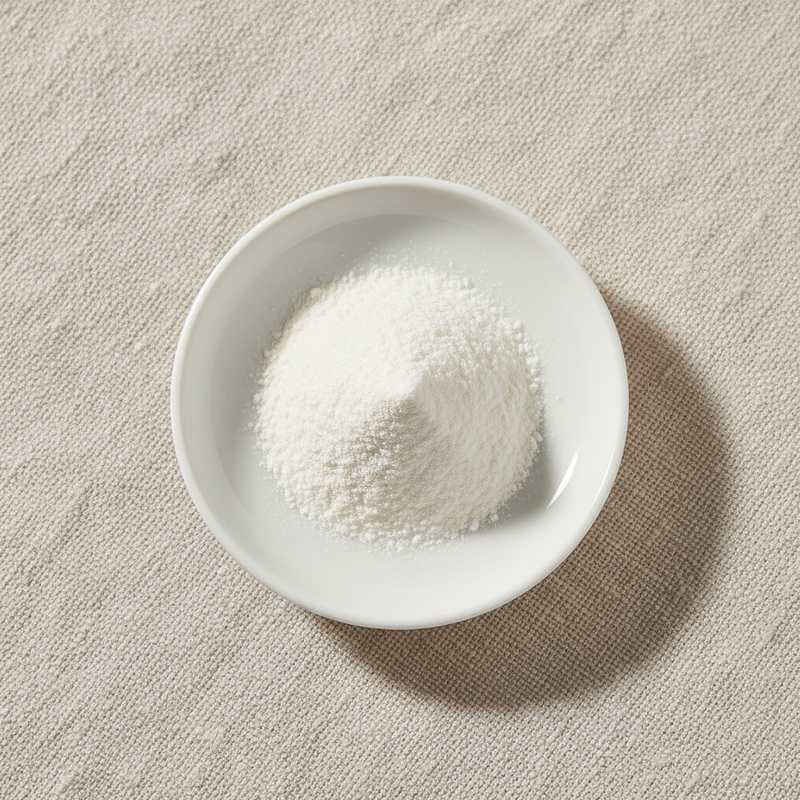
A natural antifungal preservative produced by fermentation of Streptomyces natalensis. The dominant cheese surface-treatment preservative globally and the leading natural-positioned alternative to sorbate in dairy and bakery applications.
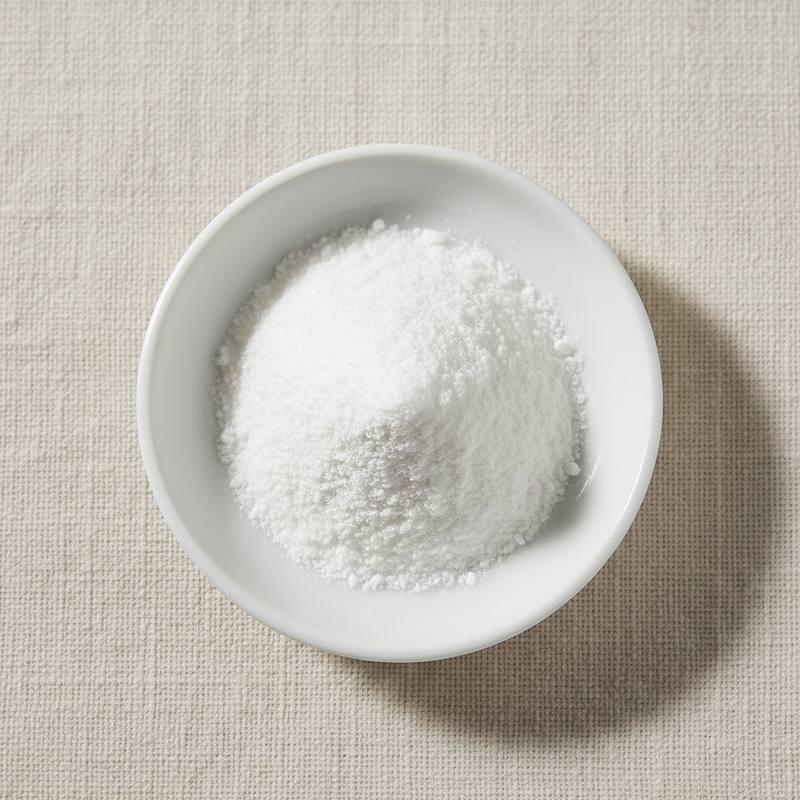
Pale yellow crystalline powder. Active against yeasts and molds at very low use levels (5 to 20 mg per kg of finished product) but inactive against bacteria, the property that allows Natamycin use in fermented dairy products without disrupting starter cultures.
We supply food-grade Natamycin from manufacturers in China holding ISO, Halal, Kosher and other certifications relevant to the product and production.
Common market grades include 95 percent Pure Natamycin (the high-potency standard for dietary-supplement and pharmaceutical use), 50 percent in Lactose (the cheese surface-treatment workhorse, dispersed in lactose carrier), 50 percent in Glucose (alternative carrier for non-lactose applications), and 50 percent in NaCl (for cheese-brine applications).
Bulk and reduced-MOQ shipments. Batch-level COA covering Natamycin assay (HPLC), residual solvents, heavy metals, and microbiology.
Introduction
Natamycin was discovered in 1955 by researchers at Royal Gist-Brocades in the Netherlands during isolation of bioactive compounds from soil-dwelling Streptomyces natalensis (the species name reflecting the South African origin of the soil sample, near Natal).
Industrial production proceeds by submerged aerobic fermentation of Streptomyces natalensis on glucose, soybean meal, and mineral salts, followed by extraction with food-grade solvents, crystallization, and standardization to defined potency. Modern production yields are substantially higher than the original 1955 process through strain improvement and fermentation optimization.
Regulated as E235 in the EU (with use limited to surface treatment of cheese and dry sausage), classified as Generally Recognized as Safe by the U.S. FDA, and approved by JECFA with an Acceptable Daily Intake of 0.3 mg per kg body weight.
The molecule is a polyene macrolide that disrupts fungal cell membranes by binding ergosterol, the principal sterol in fungal cell walls. Bacterial cell walls do not contain ergosterol, which is why Natamycin is inactive against bacteria and can be used in fermented dairy products without disrupting Lactobacillus or Streptococcus starter cultures.
Strategic positioning targets two markets simultaneously: the conventional cheese and cured-meat industry where Natamycin is the global standard for surface-mold prevention, and the natural-positioned and clean-label food segment where its fermentation-derived natural origin commands a price premium over synthetic alternatives like potassium sorbate.
Where it is used
- Cheese surface treatment: hard cheese, semi-hard cheese, processed cheese, and natural-rind cheese; the dominant antifungal in this category
- Cured meat and fermented sausage surface treatment: dry-cured ham, salami, and pepperoni
- Yogurt and fermented dairy: prevents yeast and mold contamination without inhibiting starter cultures
- Bakery applications: surface treatment of bread, cakes, and tortillas in natural-positioning products
- Wine preservation as an alternative to sulfites
- Fruit juice and beverage preservation in natural and clean-label products
- Dietary supplements and pharmaceutical antifungal applications
- Pet food and animal feed preservation
- Premium natural-positioning food applications where synthetic preservatives are not acceptable
Technical data
| Item | Specification |
|---|---|
| Appearance | Pale yellow crystalline powder |
| Assay (HPLC, dry basis) | ≥ 95.0% |
| Loss on drying | ≤ 8.0% |
| Residue on ignition | ≤ 0.5% |
| pH (1% suspension) | 5.5 to 7.5 |
| Heavy metals (as Pb) | ≤ 20 mg/kg |
| Arsenic | ≤ 3 mg/kg |
| Total plate count | ≤ 100 cfu/g |
| Yeast and mold | ≤ 100 cfu/g |
Related ingredients
Ready to discuss business?
Send us your spec and requirement. We will respond with availability and pricing within 24 hours.