Description
The dominant antimycotic preservative globally, particularly effective against yeasts and molds in pH 3 to 6.5 applications. Replaces Sodium Benzoate where higher-pH activity or lower sodium content is required.
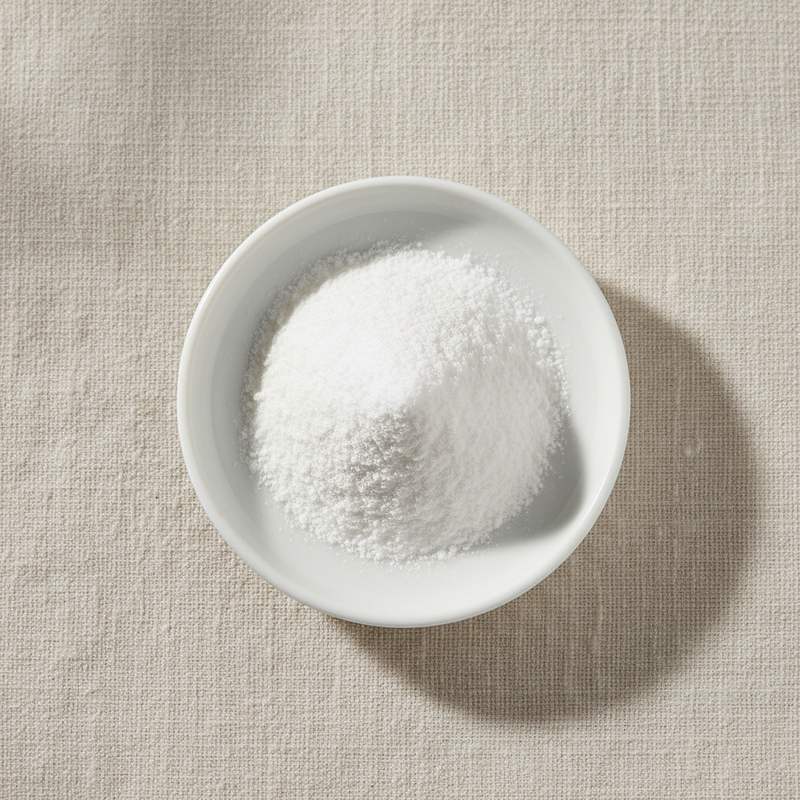
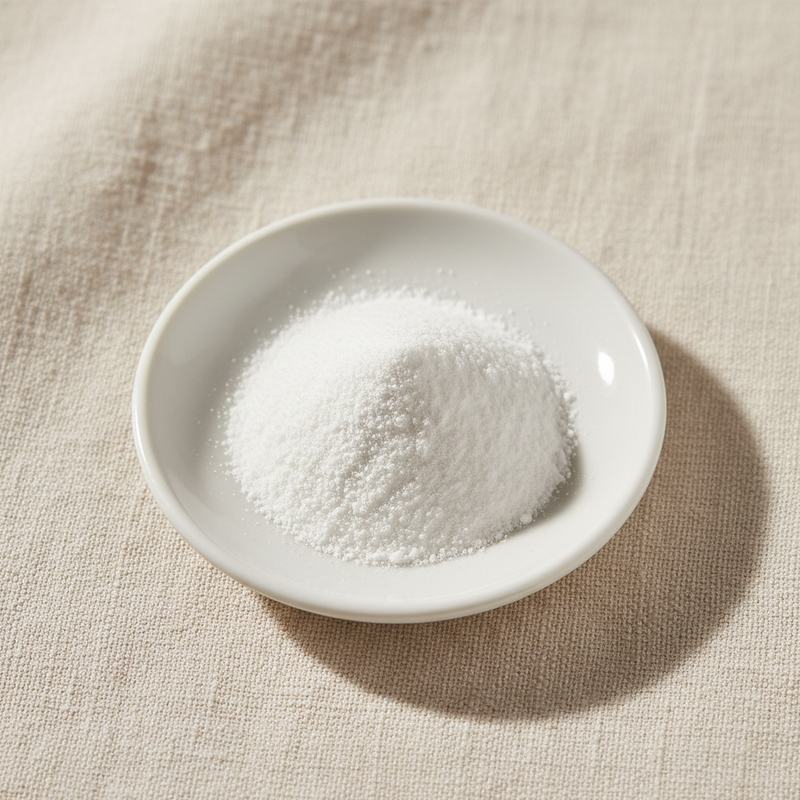
White granules, white crystals, or white crystalline powder. Highly water-soluble (approximately 1380 g/L). The potassium salt form is chosen over Sorbic Acid for water-based applications because of its superior solubility.
We supply food-grade and pharmaceutical-grade Potassium Sorbate from manufacturers in China holding ISO, Halal, Kosher and other certifications relevant to the product and production.
Common market grades include Standard Food Grade Granular (the workhorse for liquid and pickled applications), Powder Grade (for dry blends and pharmaceutical use), and Pharmaceutical Grade meeting BP/USP/EP specifications.
Bulk and reduced-MOQ shipments. Batch-level COA covering assay, alkalinity, heavy metals, and microbiology.
Introduction
Potassium Sorbate was developed in the 1940s following the discovery of Sorbic Acid's antimycotic properties in mountain ash berries (Sorbus aucuparia, the source of the name). The salt form replaced the parent acid in most applications due to superior water solubility.
Industrial production proceeds by neutralization of Sorbic Acid with potassium hydroxide or potassium carbonate, followed by crystallization. Sorbic Acid in turn is produced by condensation of crotonaldehyde and ketene followed by hydrolysis.
Regulated as E202 in the EU, classified as Generally Recognized as Safe by the U.S. FDA, listed in BP, USP, EP, and JP pharmacopoeias, and approved by JECFA with an Acceptable Daily Intake of 25 mg per kg body weight (expressed as sorbic acid equivalents).
The molecule's antimicrobial action depends on pH similarly to Sodium Benzoate, but Potassium Sorbate is effective at higher pH (up to 6.5) due to the higher pKa of Sorbic Acid (4.76 versus 4.19 for Benzoic Acid). This makes Potassium Sorbate the preservative of choice for cheese, baked goods, and other near-neutral pH applications where Sodium Benzoate would not work.
Synergy with Sodium Benzoate at lower pH is well-documented and forms the basis of many beverage preservation systems: combined dosing of both preservatives delivers broader-spectrum activity at lower total preservative levels than either ingredient alone.
Where it is used
- Wine and fermented beverages; prevents yeast re-fermentation in bottled wine
- Cheese and dairy products: hard cheese surface treatment, processed cheese, and cottage cheese
- Bakery products: bread, cakes, tortillas, and pastries; mold prevention
- Fruit preserves, jams, jellies, and dessert toppings
- Pickled vegetables, sauerkraut, and acidic condiments
- Beverage applications: juice drinks, flavored waters, and ready-to-drink teas
- Salad dressings, mayonnaise, and acidic sauces
- Pharmaceutical syrups, oral solutions, and topical formulations
- Cosmetic and personal-care products: shampoos, lotions, and creams
- Pet food and animal feed mold prevention
Technical data
| Item | Specification |
|---|---|
| Appearance | White granules, crystals, or crystalline powder |
| Assay (dry basis) | 99.0% to 101.0% |
| Loss on drying | ≤ 1.0% |
| Heavy metals (as Pb) | ≤ 10 mg/kg |
| Arsenic | ≤ 3 mg/kg |
| Acidity | ≤ 1.0% |
| Alkalinity | Passes test |
| Aldehydes (as formaldehyde) | ≤ 0.1% |
| Particle size | Per customer specification |
Related ingredients
Ready to discuss business?
Send us your spec and requirement. We will respond with availability and pricing within 24 hours.