Description
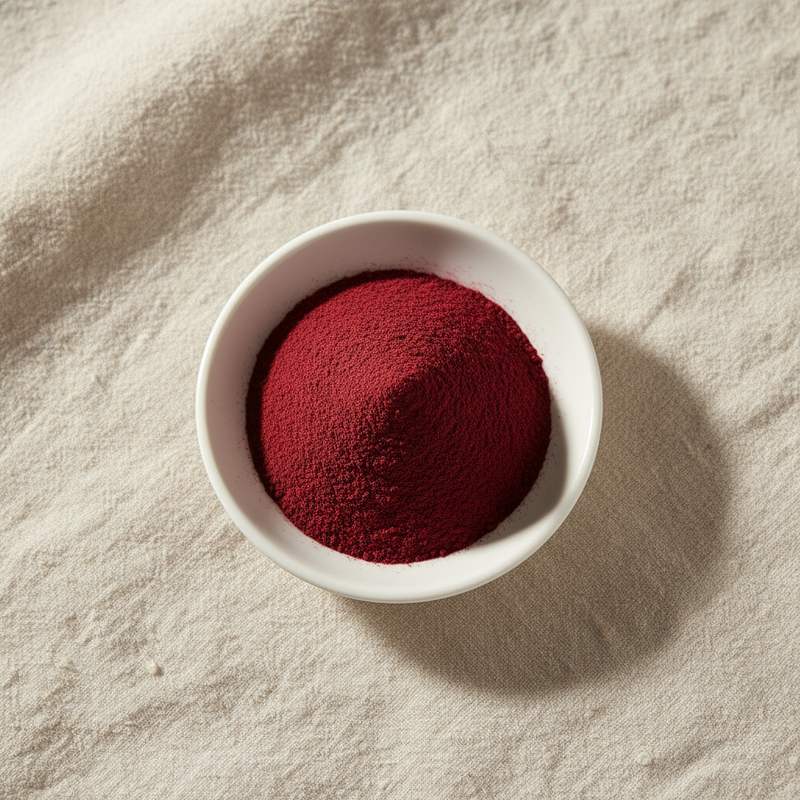
A natural red to bluish-red colorant extracted from red beetroot (Beta vulgaris). The active pigment is betanin, a betalain that produces a clean strawberry-pink to magenta hue at typical food use levels.
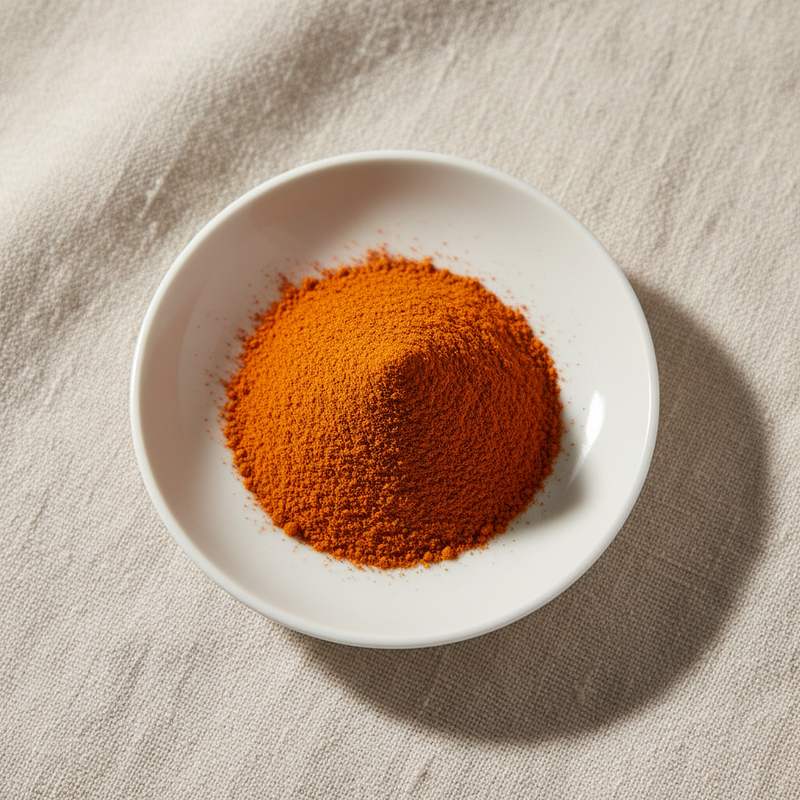
Red to dark red liquid concentrate or red to purplish-red free-flowing powder spray-dried with a maltodextrin or glucose carrier. Highly water-soluble, oil-insoluble, and best suited to chilled and non-heat-processed applications where its temperature sensitivity is not a limitation.
We supply food-grade Beetroot Red from manufacturers in China holding ISO, Halal, Kosher and other certifications relevant to the product and production. Organic-certified material is available on request.
Common market grades are sold by color strength as E1% values, typically E1% 200, 400, 600, 800, and 1000 in powder form, with liquid concentrates at 0.4 to 1.0 percent betanin. Higher E1% values reflect more concentrated pigment and lower carrier load.
Bulk and reduced-MOQ shipments. Batch-level COA covering color value (E1%), pH, heavy metals, microbiology, and pesticide residues.
Introduction
Beetroot has been cultivated for color and food use since the Roman era, but standardized industrial extraction for use as a food colorant developed only in the twentieth century alongside the rise of clean-label formulation.
Production starts from selected high-pigment beetroot cultivars. The roots are washed, pressed, and the juice clarified, concentrated under vacuum, and either packed as a liquid concentrate or spray-dried with a carrier such as maltodextrin or glucose syrup to a defined color strength.
Regulated as E162 in the EU, listed as a permitted color additive exempt from certification by the U.S. FDA, and approved by JECFA without a numerical Acceptable Daily Intake limit. The compound is widely cleared for use across global markets.
The principal technical limitation of Beetroot Red is heat sensitivity: betanin begins to degrade above 70 degrees Celsius, and prolonged exposure to elevated temperature shifts the color from red toward brown. Light stability and oxygen sensitivity are moderate, with best results at pH 4 to 5 in oxygen-limited packaging.
Strategically, Beetroot Red is positioned as the workhorse natural red for chilled and frozen applications where carmine is either too costly or unsuitable on label, and where synthetic colors such as Allura Red are being phased out under clean-label and natural-positioning programs.
Where it is used
- Strawberry, raspberry, and cherry flavored yogurts and dairy desserts; the dominant natural pink and red colorant in chilled dairy
- Ice cream, frozen yogurt, and sorbet; performs well at freezer temperatures where heat exposure is minimal
- Sugar confectionery, gummies, and marshmallows produced at moderate cooking temperatures
- Frosting, fondant, fillings, and dessert decorations for bakery applications
- Strawberry and berry-flavored powdered drink mixes and dry beverage premixes
- Meat analogs and plant-based burger patties; betanin's red color mimics raw meat appearance
- Tomato sauces, soups, and ready meals where additional red lift is required
- Pet food and premium pet treats positioned for clean-label markets
- Pharmaceutical syrups, lozenges, and chewable tablets requiring natural red coloration
Technical data
| Item | Specification |
|---|---|
| Appearance | Red to dark red powder or liquid |
| Source | Beta vulgaris (red beetroot) |
| Color value (E1%, 1cm, 538 nm) | 200, 400, 600, 800, or 1000 (per grade) |
| pH (10% solution) | 4.0 to 6.0 |
| Solubility | Freely soluble in water; insoluble in oil |
| Light stability | Moderate; best in opaque or low-light packaging |
| Heat stability | Limited above 70 °C; suitable for chilled and frozen use |
| Loss on drying | ≤ 6.0% |
| Lead | ≤ 2 mg/kg |
| Arsenic | ≤ 1 mg/kg |
| Total plate count | ≤ 1000 CFU/g |
Related ingredients
Ready to discuss business?
Send us your spec and requirement. We will respond with availability and pricing within 24 hours.