Description
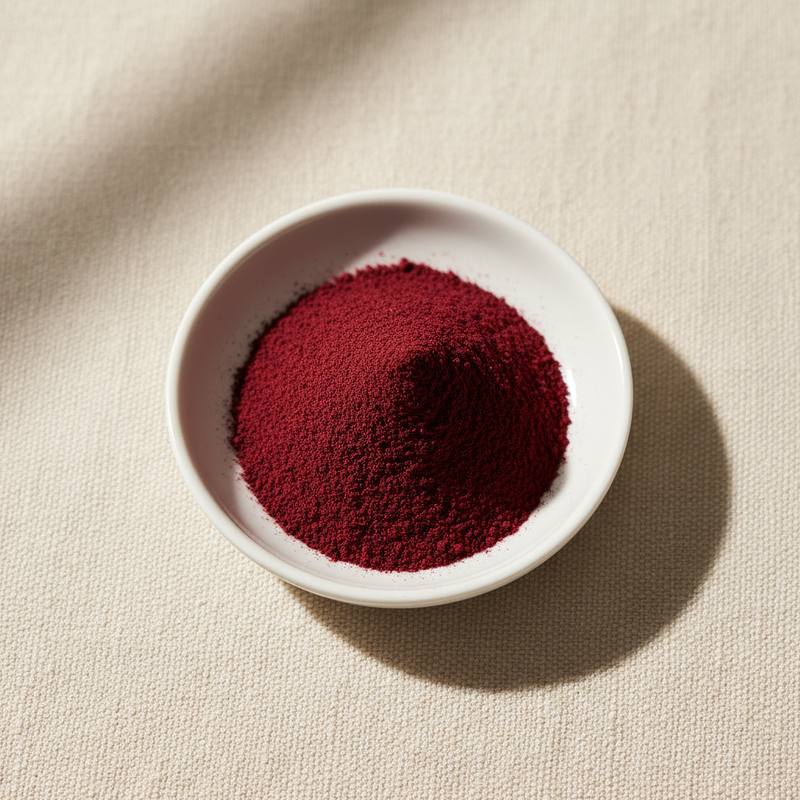
A crimson to deep red pigment derived from cochineal insects (Dactylopius coccus). The active chromophore is carminic acid, complexed with aluminum to produce the bright stable red known commercially as Carmine Lake.
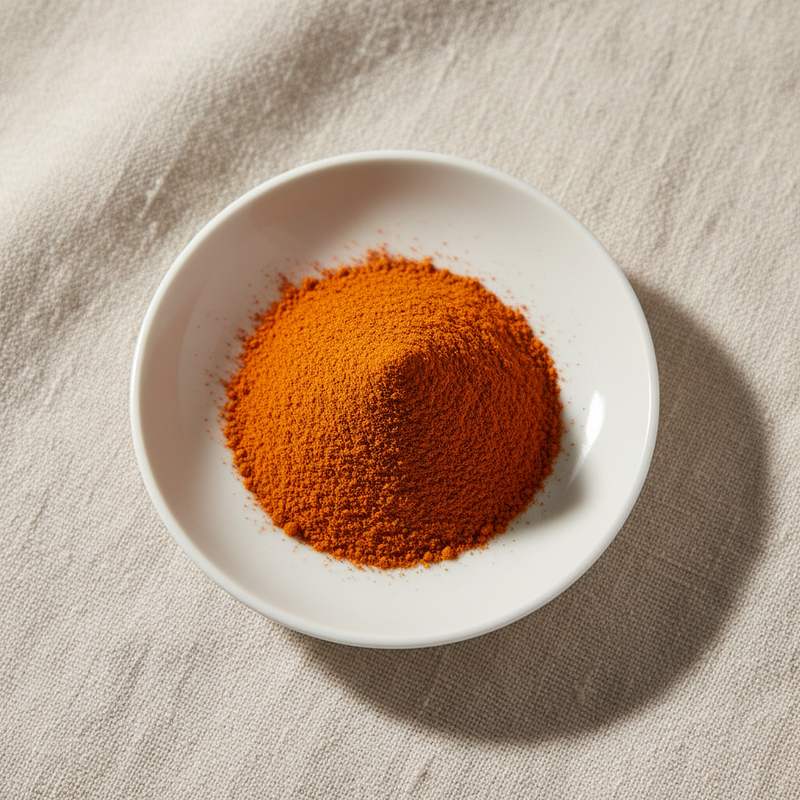
Bright red to deep crimson powder, or alkaline aqueous solution at 1 to 5 percent carminic acid. The complexed lake form is insoluble in water and oil and dispersed by physical means, while ammonium-soluble forms produce clear water-soluble preparations for beverage and dairy use.
We supply food-grade Carmine from manufacturers in China holding ISO, Halal, Kosher and other certifications relevant to the product and production. Halal and Kosher cochineal sourcing is available on request and depends on certifier policy for insect-derived ingredients.
Common market grades are sold by carminic acid content: typical powders run 50 percent and 52 percent carminic acid for water-dispersible lake forms, and 1 to 5 percent for liquid ammonium-complex solutions. Higher percentages reflect more concentrated pigment.
Bulk and reduced-MOQ shipments. Batch-level COA covering carminic acid content, heavy metals, microbiology, and residual solvent profile.
Introduction
Carmine has been used as a textile and food colorant in Mesoamerica since pre-Columbian times. Spanish colonization brought cochineal to Europe in the sixteenth century, where it became one of the most valuable trade commodities of the New World.
The pigment is produced by drying cochineal insects, extracting carminic acid in hot water or alkaline solution, and complexing the extract with aluminum and calcium salts to yield the insoluble Carmine Lake. Alternative production routes yield ammonium-soluble forms for direct use in liquid applications.
Regulated as E120 in the EU, listed by the U.S. FDA as a permitted color additive exempt from certification, and approved by JECFA with an Acceptable Daily Intake of 5 mg per kg body weight. Carmine must be declared by name on ingredient lists in the EU and the United States following labeling changes adopted to protect consumers with cochineal allergies.
Carmine offers a property profile no other natural red matches: stability through baking, retort, UHT, and pasteurization; broad pH range of 3 to 7 in suitable formulations; and excellent light stability. The principal commercial considerations are price, which is tied to cochineal harvest cycles and Peruvian production, and label sensitivity, since the insect origin limits its use in vegetarian and vegan products.
Where it is used
- Strawberry and raspberry yogurts, dairy desserts, and flavored milks; the gold-standard heat-stable natural red for dairy
- Sausages, surimi, and processed meats requiring stable red coloration through cooking and retort
- Surimi-based seafood analogs including imitation crab sticks
- Hard and soft confectionery, gummies, and panned candies where deep crimson is required
- Alcoholic beverages including Campari-style aperitifs and red liqueurs
- Fruit fillings, jams, and bakery decorations
- Pharmaceutical tablet coatings, syrups, and capsules
- Cosmetics including lipsticks, blushes, and rouges
Technical data
| Item | Specification |
|---|---|
| Appearance | Bright red to deep crimson powder, or liquid |
| Source | Dactylopius coccus (cochineal insect) |
| Carminic acid content | 50% or 52% (powder); 1% to 5% (liquid) |
| Color value (E1%, 1cm, 494 nm) | Per declared carminic acid content |
| pH (1% solution) | 5.0 to 8.0 (depending on form) |
| Solubility | Water-dispersible (lake); soluble in ammoniacal solution |
| Light stability | Excellent |
| Heat stability | Excellent; stable through baking and retort |
| Lead | ≤ 2 mg/kg |
| Arsenic | ≤ 1 mg/kg |
| Total plate count | ≤ 1000 CFU/g |
Related ingredients
Ready to discuss business?
Send us your spec and requirement. We will respond with availability and pricing within 24 hours.